BMW 320
BMW 320: review and buying guide
The BMW 320 is a premium compact executive car within the 3 series. The current G20 / G21 generation follows the F30 / F31 / F34; this guide separates engines, boot space, Euro NCAP safety and the checks that matter when buying used in Luxembourg.
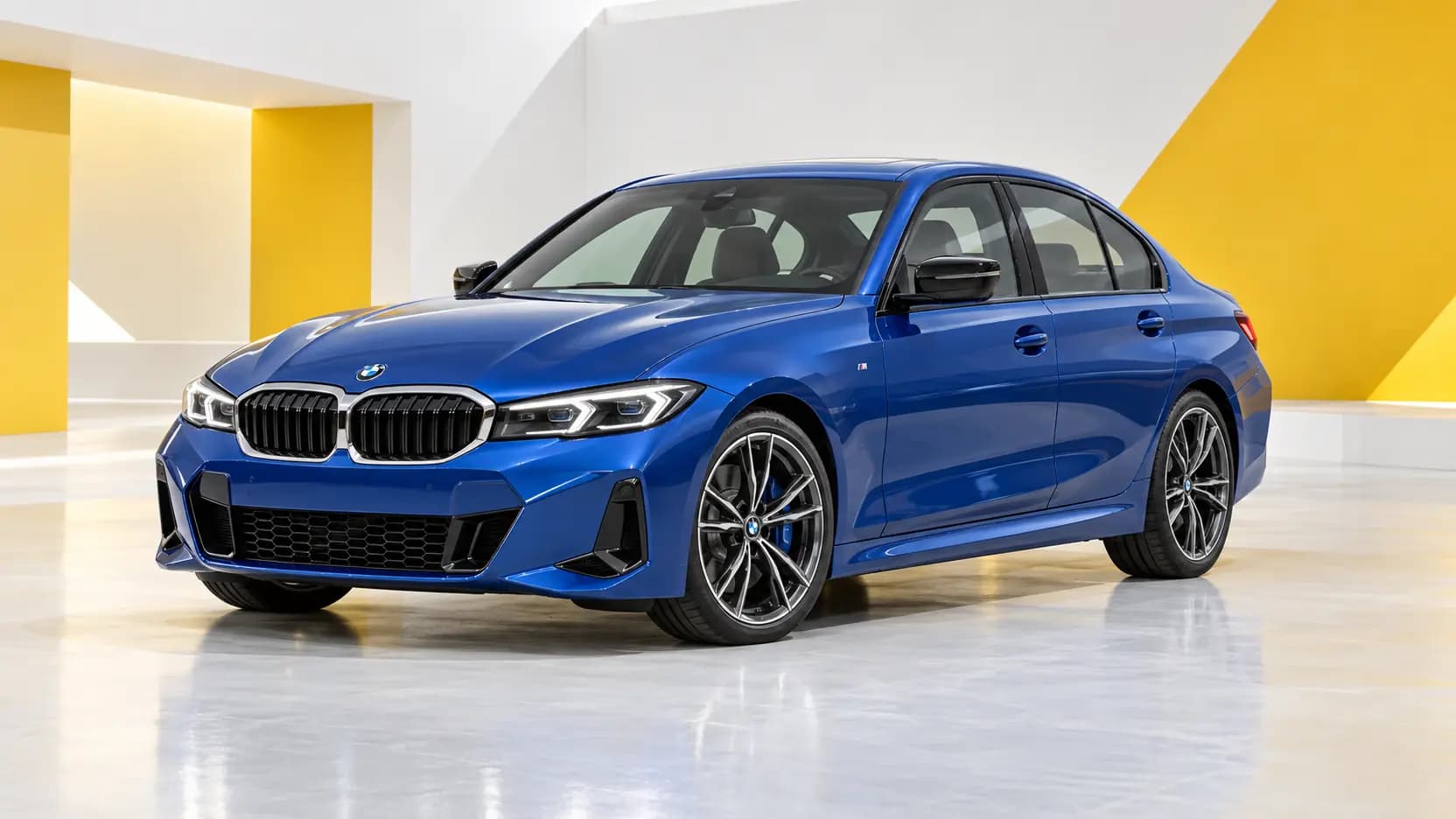
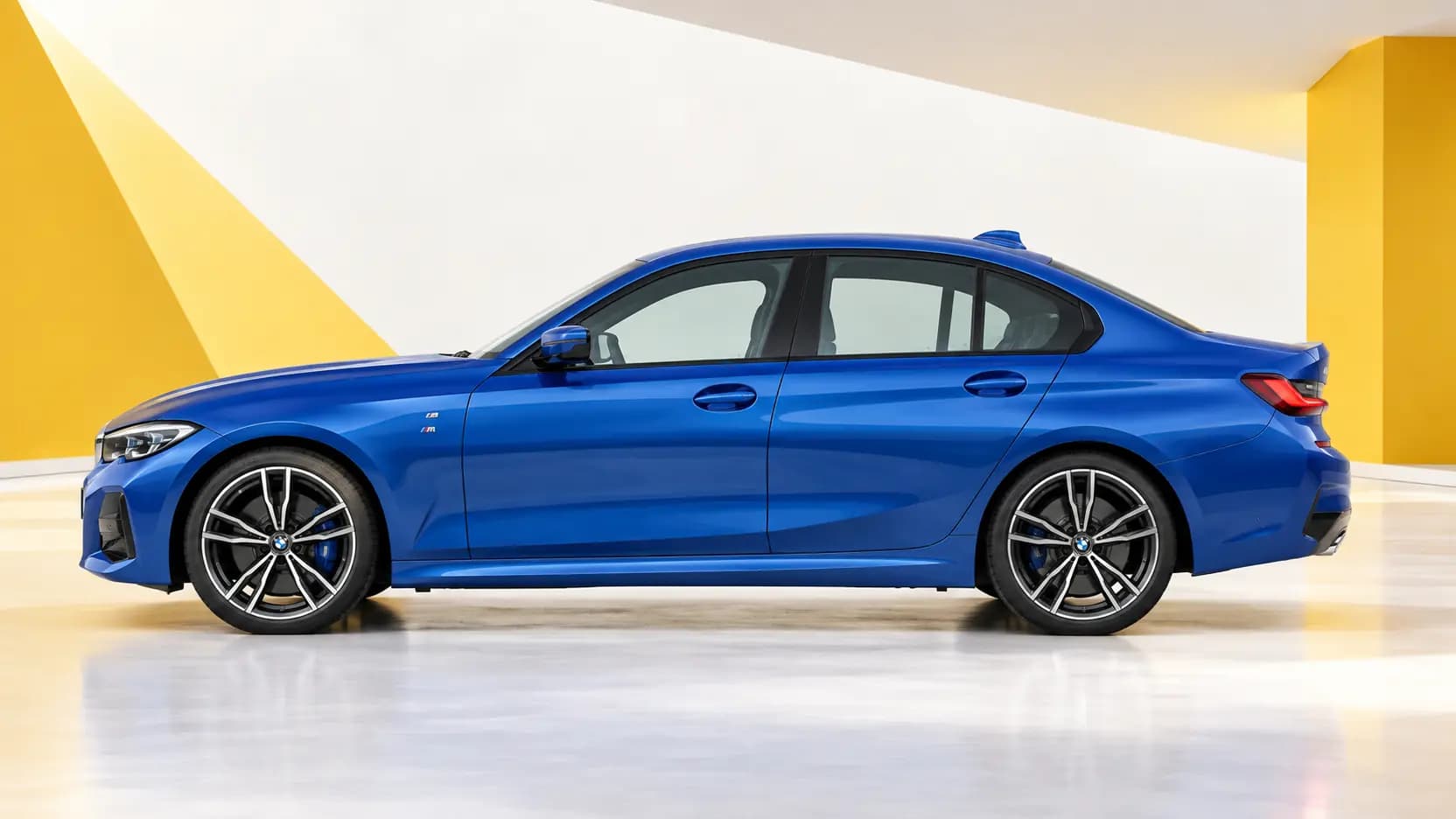
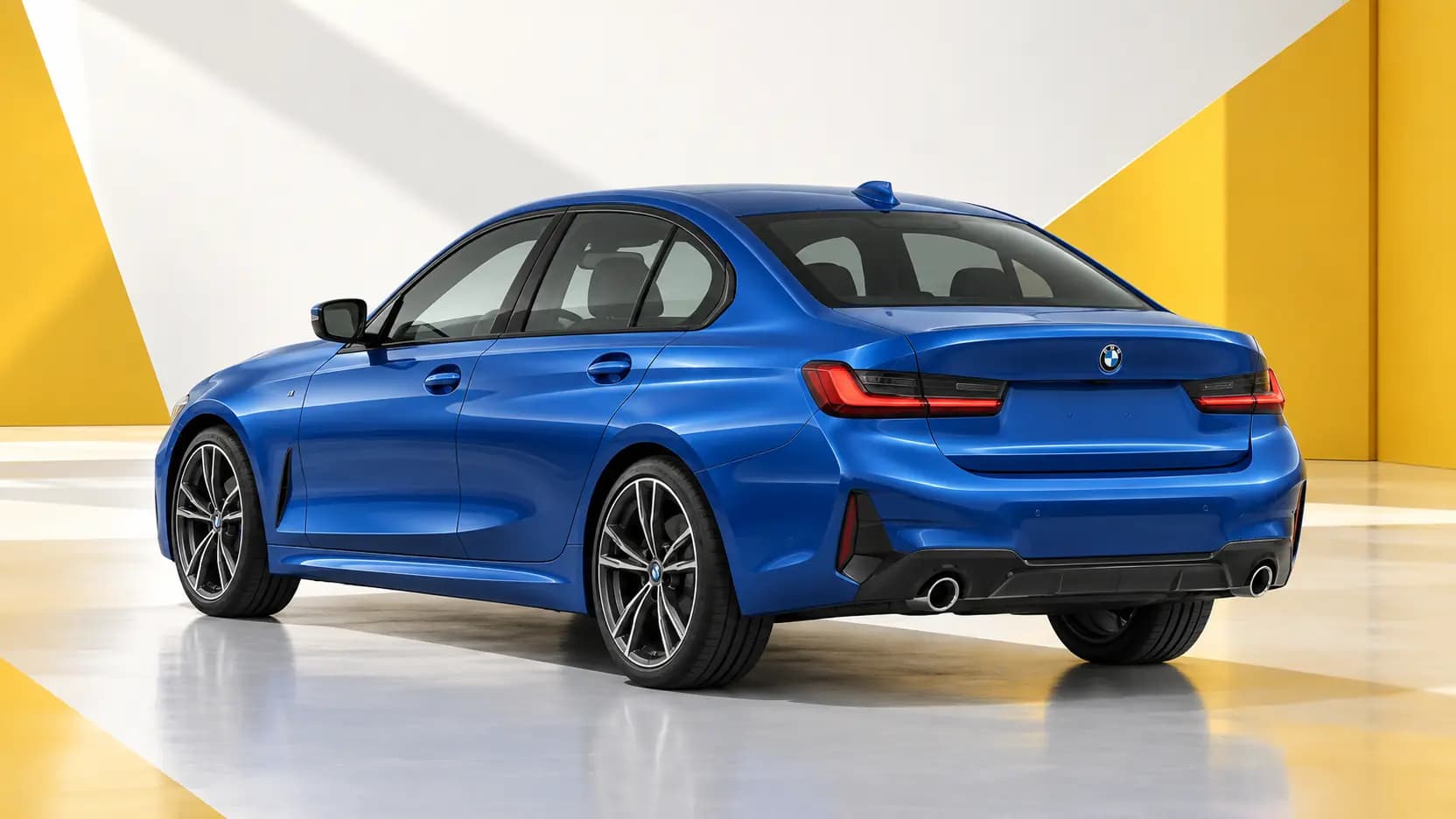
| Segment | Premium compact executive car within the 3 Series |
|---|---|
| Body styles | Saloon and Touring; older coupé, convertible and Gran Turismo listings |
| Production | 1975-present as 320/320i/320d variants across 7 Series generations |
| Generations on the Luxembourg used market | G20 / G21 (2019-present), F30 / F31 / F34 (2012-2019), E90 / E91 / E92 / E93 (2005-2013), E21 / E30 / E36 / E46 (1975-2006) |
| Powertrains | Petrol, Diesel, Mild hybrid |
| Boot capacity | 480 litres (G20 saloon); 500 litres (G21 Touring) |
| Euro NCAP | 5 stars (G20 3 Series, 2019; rating expired) |
| listings on Luxauto | 84 |
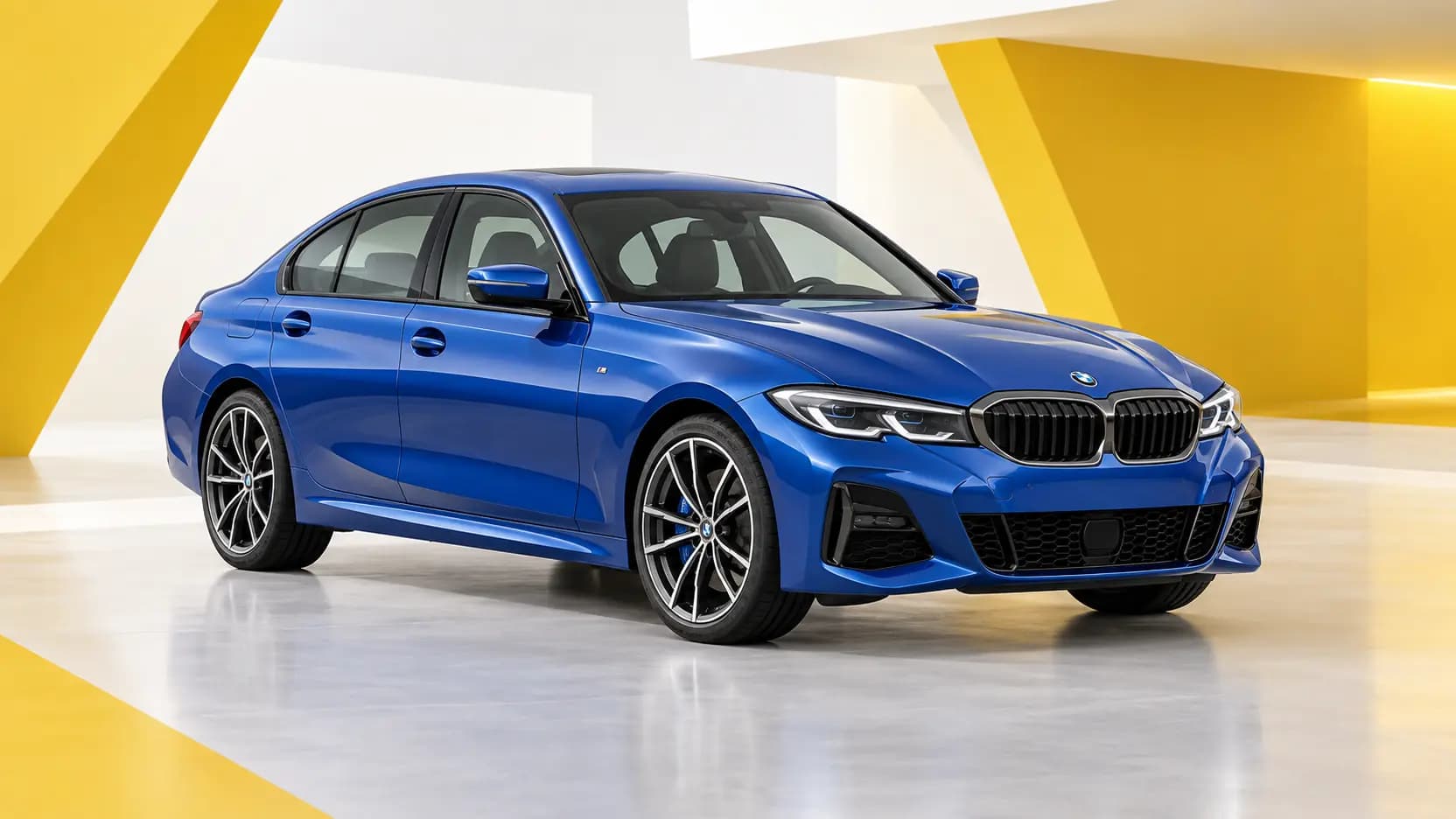
What are the pros and cons of the BMW 320?
The BMW 320's strengths are its model-specific performance and practicality; its trade-offs are size, complexity and the cost of high-specification variants.
Strengths
- The G20 3 Series achieved five Euro NCAP stars in 2019 and maximum points in both side-impact tests.
- A G20 saloon has a useful 480-litre boot, while the G21 Touring adds a 500-litre load bay and split tailgate glass.
- The 320d’s 190 hp and 400 Nm suit repeated motorway journeys without moving to a six-cylinder 330d.
Weaknesses
- The Luxauto “320” category spans 320i, 320d and several body styles, so the badge alone does not define the engine or generation.
- Older N47 diesels deserve documented timing-chain history; repair access is labour-intensive because the chain sits at the rear of the engine.
- M Sport suspension and large wheels can make rough urban roads less comfortable and raise tyre costs.
Good to know before buying
- For short urban trips, a 320i avoids diesel particulate-filter concerns; for frequent cross-border motorway use, a later B47 320d is the efficient choice.
- The current 320 is not a plug-in hybrid; buyers wanting that drivetrain should compare the 330e, while the i4 is the electric alternative.
- Check the exact body code: G20 is the saloon and G21 is the Touring, with different boot access and rear packaging.
Current BMW 320 listings in Luxembourg
View all BMW 320 listings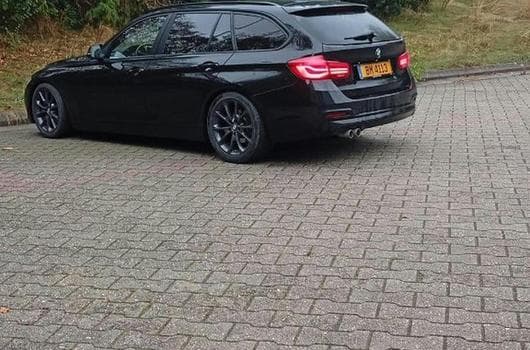
3
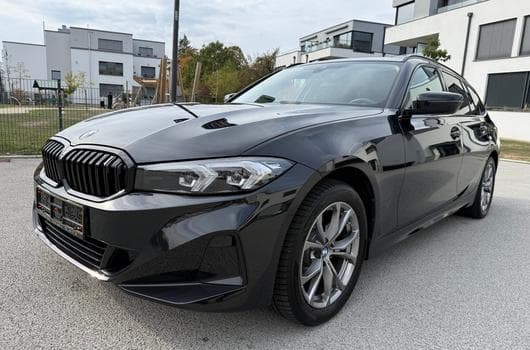
11
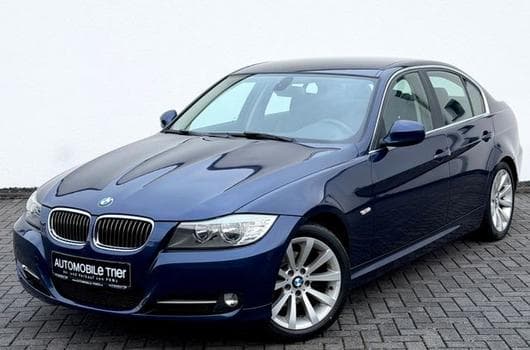
15
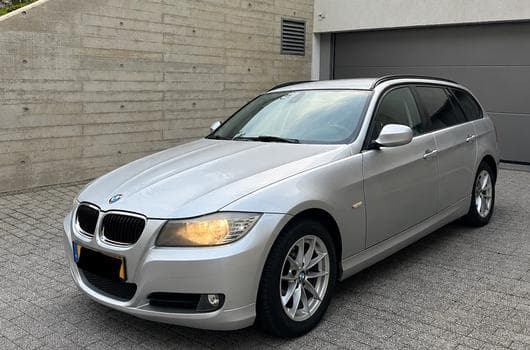
3

15
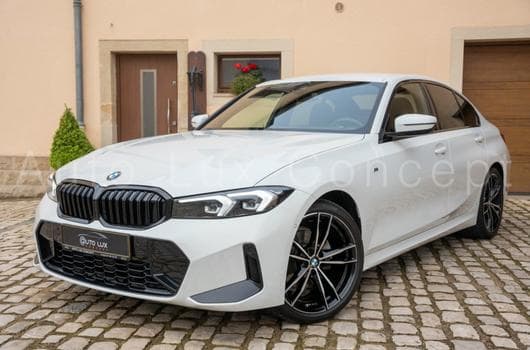
15
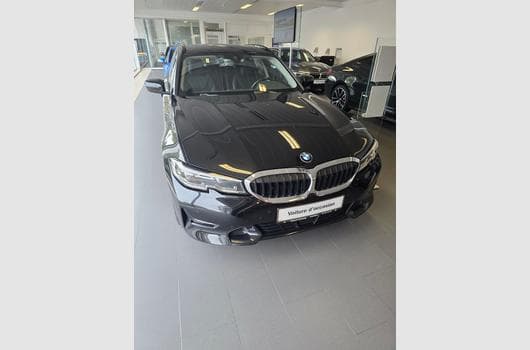
6
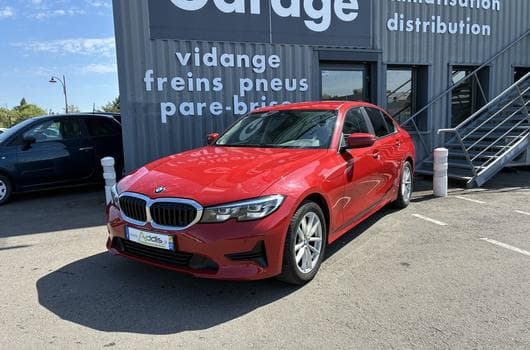
15

1
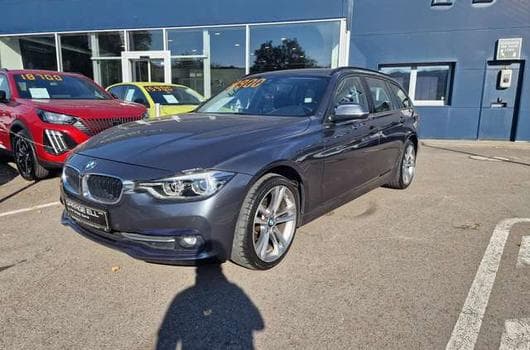
15
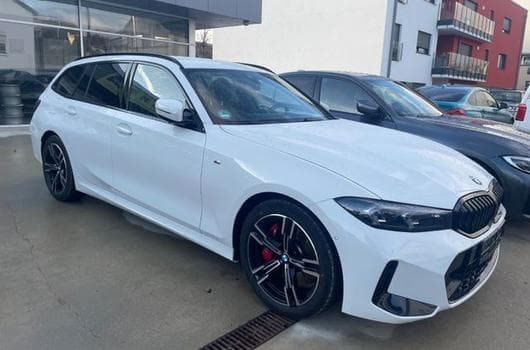
10
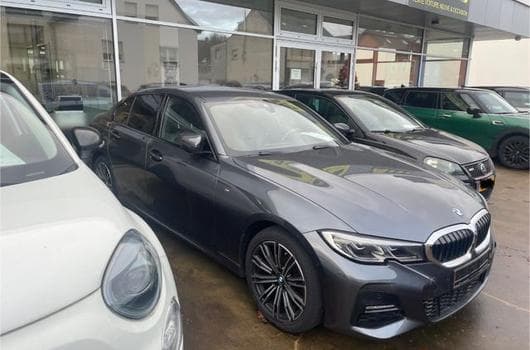
3
What are the BMW 320 generations?
The current BMW 320 is coded G20 / G21. Luxembourg listings mainly span G20 / G21, F30 / F31 / F34, E90 / E91 / E92 / E93, whose platforms and powertrains should not be mixed when comparing specifications.
| Generation | Code | Years | Key change vs previous | Listings |
|---|---|---|---|---|
| 7th 3 Series generation | G20 / G21 | 2019-present | Longer wheelbase, digital cockpit and 48V assistance on current 320d variants | View G20 / G21 listings |
| 6th 3 Series generation | F30 / F31 / F34 | 2012-2019 | Turbo four-cylinder 320i/320d range, eight-speed automatic and Gran Turismo derivative | View F30 / F31 / F34 listings |
| 5th 3 Series generation | E90 / E91 / E92 / E93 | 2005-2013 | Separate saloon, Touring, coupé and folding-hardtop cabriolet bodies | View E90 / E91 / E92 / E93 listings |
| Earlier 320 generations | E21 / E30 / E36 / E46 | 1975-2006 | From the original two-door 320 to widely available six-cylinder and four-cylinder variants | View E21 / E30 / E36 / E46 listings |
The G20/G21 feels more modern, has the strongest safety result and uses the later B48/B47 engine families. The F30/F31 is lighter and cheaper but its exact engine year matters, particularly on diesels. E90 and E46 cars now need condition-led buying, with corrosion, cooling and deferred maintenance more important than specification.
Which BMW 320 engine should you choose?
Choose the G20 320d for regular motorway mileage and the 320i for shorter, lower-mileage use.
| Engine types available | Petrol, Diesel, Mild hybrid |
|---|---|
| Engine codes | B48 320i petrol; B47 320d diesel; earlier N20/N47 and N43/N46 generation-dependent |
| Power range | 156-190 hp (115-140 kW) on current 320 variants |
| Transmission / drivetrain | 8-speed Steptronic; rear-wheel drive or xDrive, market-dependent |
| 0-100 km/h | 7.2-8.1 seconds |
| Combined consumption | 4.9-7.8 l/100 km (WLTP, G20/G21 variant-dependent) |
| CO2 emissions | 129-170 g/km (WLTP) |
| Boot volume | 480 litres saloon; 500 / 1,510 litres Touring |
| Towing capacity | Up to 1,800 kg braked, version-dependent |
| Length / Width / Height | 4,713 / 1,827 / 1,440-1,445 mm (G20) |
| Wheelbase | 2,851 mm |
The 190 hp 320d delivers 400 Nm and is the effortless motorway option, especially as a Touring. The 184 hp 320i is quieter on short journeys and avoids diesel emissions hardware, but uses more fuel under load. Both use BMW’s eight-speed automatic in current European specification; xDrive adds traction, weight and tyre-matching requirements.
What are common BMW 320 problems?
Because “320” spans decades of 3 Series production, reliability must be assessed by engine code and generation. Two documented campaign areas are the diesel EGR cooler and brake-vacuum-pump lubrication on selected F30 320i cars.
- EGR cooler — Selected F30/F31 320d four-cylinder diesels built April 2015-September 2016, 2015-2016. BMW’s European campaign covered possible coolant leakage inside the EGR module and a rare fire risk. Completion must be checked by VIN. BMW / EU documented campaign information
- Brake vacuum pump lubrication — Selected F30 320i cars, 2012-2013. Restricted lubrication could reduce vacuum assistance and require more pedal force. The campaign is limited to specific chassis numbers. BMW / EU documented campaign information
What to check before buying
- Identify the VIN, body code and engine code before comparing service requirements.
- On an N47 diesel, demand documentary evidence for timing-chain inspection or replacement and listen for metallic rattle from cold.
- Check diesel cars for EGR-campaign completion, stable coolant level and uninterrupted DPF regeneration history.
- Inspect rear tyres for inner-edge wear, test every iDrive function and confirm smooth cold and warm automatic shifts.
What does a BMW 320 cost to run in Luxembourg?
Running costs for a BMW 320 in Luxembourg depend heavily on homologated CO2, tyres, brakes and equipment. The road-tax numbers below are estimates, not invoice amounts.
Taxe sur les véhicules automoteurs (annual road tax)
| G20 320d (approx. 135 g/km diesel) | approx. €155 per year (estimate) |
|---|---|
| G20 320d xDrive (approx. 150 g/km diesel) | approx. €200 per year (estimate) |
| G20 320i (approx. 155 g/km petrol) | approx. €155 per year (estimate) |
Basis: official Luxembourg CO2-based passenger-car tax method applied to representative homologated values. Minimum charges and the exact registration-certificate value can change the result; estimates only.
Servicing
Basis: BMW Condition Based Service documentation; vehicle-specific due items take precedence.
Real-world consumption
Basis: qualified mixed-use estimates, kept separate from the WLTP homologation figures above.
What are the best alternatives to the BMW 320?
These four alternatives cover the BMW 320's main use case but differ in space, driving character or electrification.
| Model | Body | Powertrains | Boot (l) | Euro NCAP | Key difference |
|---|---|---|---|---|---|
| BMW 320 | Saloon and Touring; older coupé, convertible and Gran Turismo listings | Petrol, Diesel, Mild hybrid | 480 (G20 saloon); 500 litres (G21 Touring) | 5 stars (G20 3 Series, 2019; rating expired) | |
| Audi A4 | Saloon, estate | Petrol, diesel, mild hybrid | 460-495 | 5 (2015) | Quieter, front-biased feel and a similarly broad used engine range. |
| Mercedes C-Class | Saloon, estate | Petrol, diesel, mild hybrid, PHEV | 315-490 | 5 (2022) | More comfort-led cabin, with large variation in PHEV boot space. |
| Volvo S60 | Saloon | Petrol mild hybrid, PHEV | 391-442 | 5 (2018) | Safety-focused alternative with no diesel in its later European range. |
| Tesla Model 3 | Saloon | Electric | 425 | 5 (2019) | Battery-electric running and charging replace the 320’s petrol/diesel choice. |
- Quieter, front-biased feel and a similarly broad used engine range. Browse used Audi A4 listings in Luxembourg
- More comfort-led cabin, with large variation in PHEV boot space. Browse used Mercedes C-Class listings in Luxembourg
- Safety-focused alternative with no diesel in its later European range. Browse used Volvo S60 listings in Luxembourg
- Battery-electric running and charging replace the 320’s petrol/diesel choice. Browse used Tesla Model 3 listings in Luxembourg
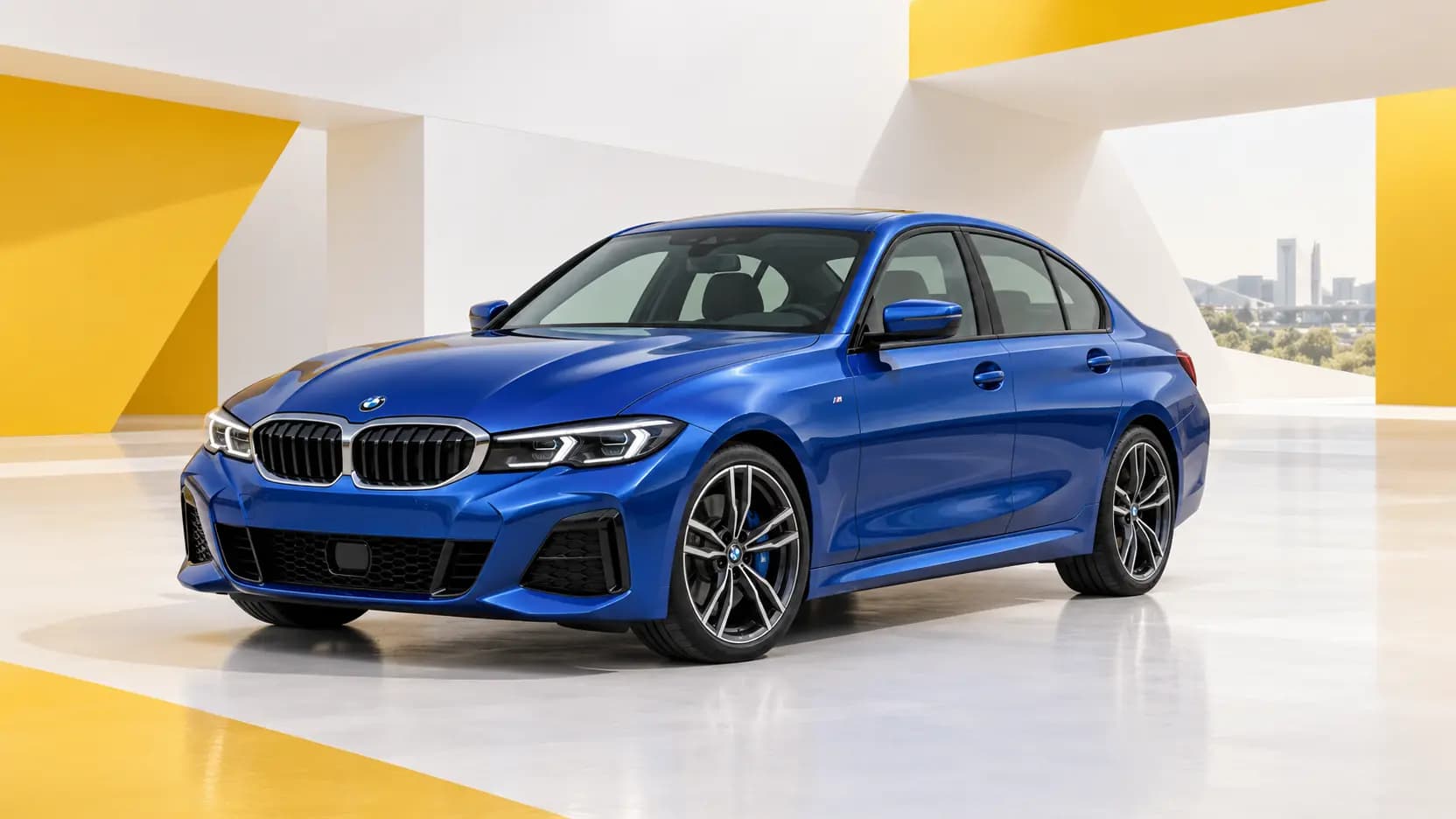
Which used BMW 320 should you buy?
Frequently asked questions about the BMW 320
How safe is the BMW 320?+
The BMW 320 result is 5 stars (G20 3 Series, 2019; rating expired). Check the exact generation because protocols and standard equipment change over time.
What is the boot capacity of the BMW 320?+
The relevant BMW 320 capacities are 480 litres saloon; 500 / 1,510 litres Touring. Powertrain and body style can change the usable space, so confirm the exact variant rather than relying on a range-wide figure.
Which BMW 320 engine is best for daily driving?+
G20 320d is the starting recommendation for the use described here. Short urban trips, annual motorway mileage, towing and charging access can justify a different engine.
Is the BMW 320 available as a hybrid or electric car?+
No current BMW 320 variant in this exact catalogue category is a plug-in hybrid or battery-electric car. Compare boot space, charging behaviour and homologated data for the precise version.
How should a BMW 320 be serviced?+
BMW uses Condition Based Service on the BMW 320, so the car displays due items according to time, distance and monitored wear rather than one universal interval. Follow the vehicle-specific service record and verify brake fluid, filters, plugs or diesel items separately.
Is the BMW 320 better than the Audi A4?+
Neither is better in every respect. The BMW 320 emphasises BMW’s driving position and powertrain tuning, while the Audi A4 offers a different balance of cabin layout, ride and practicality; compare equivalent generations and engines.
Can I import a BMW 320 from Germany or Belgium?+
Yes, an EU-market BMW 320 can be registered in Luxembourg when its purchase, registration, conformity and tax documents are in order. Check VIN campaigns, equipment, homologated CO2 and service history before purchase because these affect registration and ownership costs.
About this guide
- Author
- Luxauto Editorial Team — Automotive editorial team
- Reviewed by
- Luxauto Automotive Content Team — Automotive content review
- Published
- Last updated
Listing figures derived from 84 active Luxauto listings on October 22, 2026.