BMW X1
BMW X1: review and buying guide
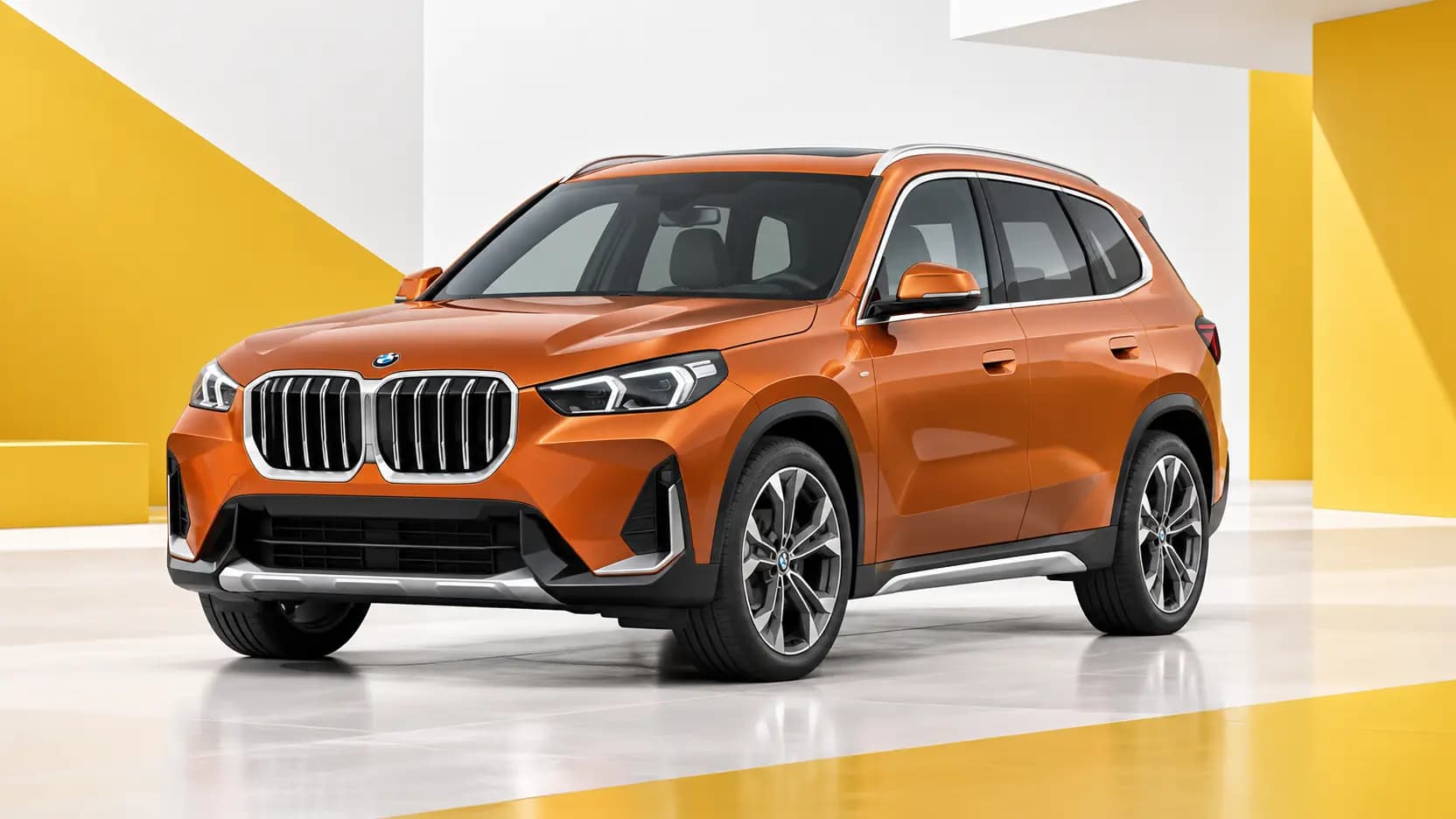
The BMW X1 is a compact premium suv. The current U11 generation follows the F48; this guide separates engines, boot space, Euro NCAP safety and the checks that matter when buying used in Luxembourg.
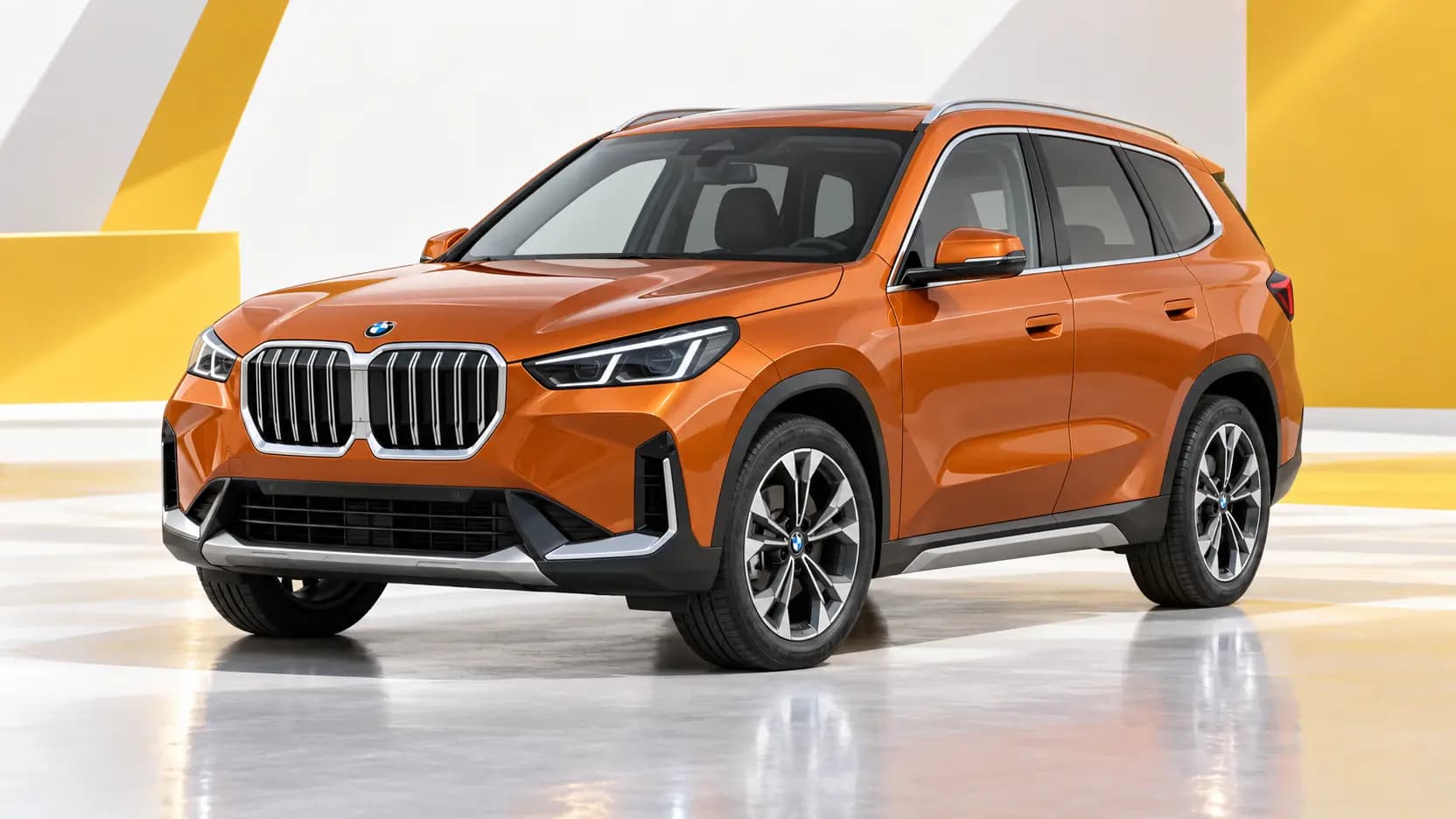
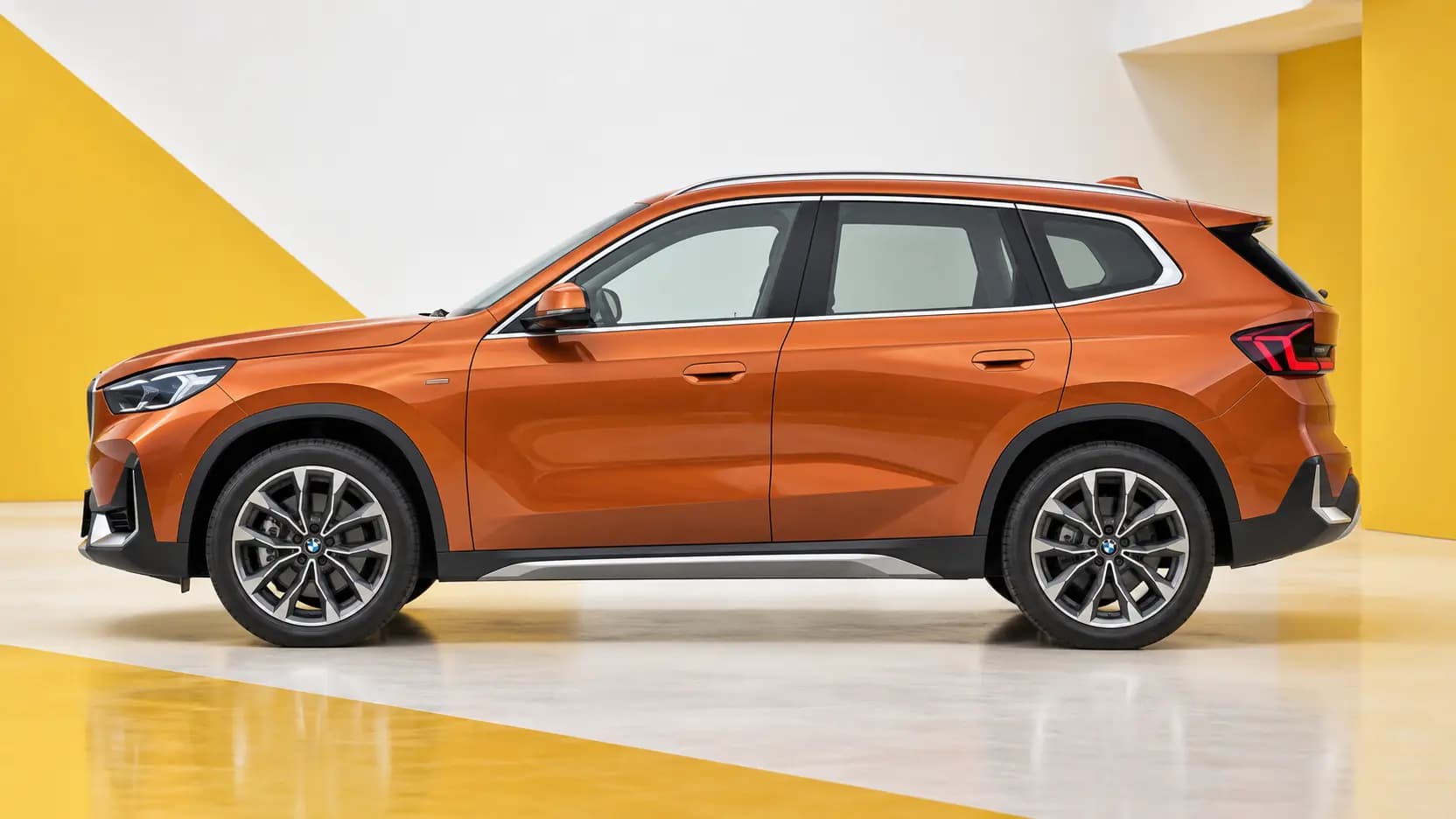
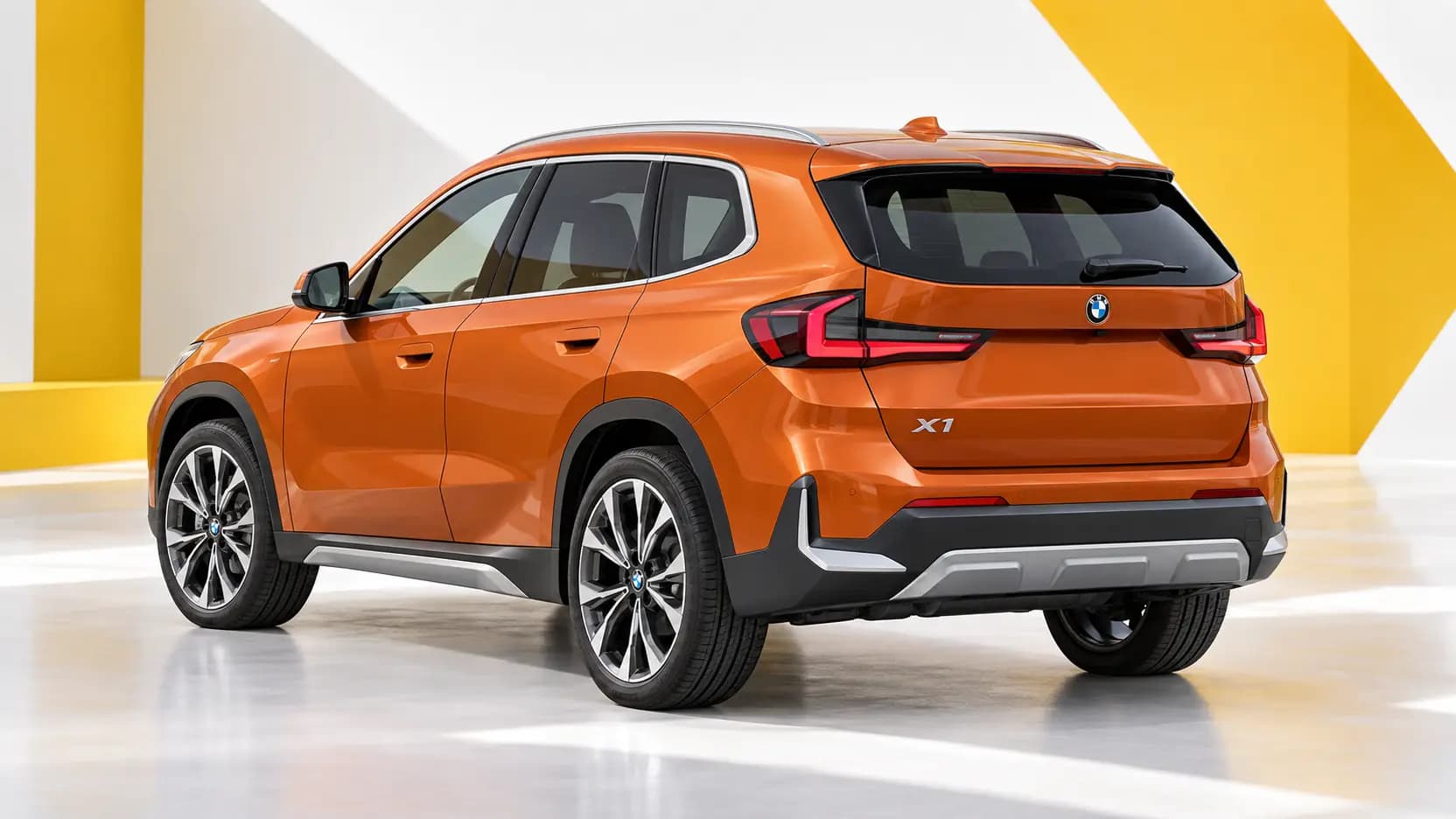
| Segment | Compact premium SUV |
|---|---|
| Body styles | Five-door SUV |
| Production | 2009-present, 3 generations |
| Generations on the Luxembourg used market | U11 (2022-present), F48 (2015-2022), E84 (2009-2015), E84 LCI / F48 LCI (2012-2022) |
| Powertrains | Petrol, Diesel, Mild hybrid, Plug-in hybrid, Electric |
| Boot capacity | 490-540 litres; powertrain-dependent |
| Euro NCAP | 5 stars (U11, 2022) |
| listings on Luxauto | 174 |
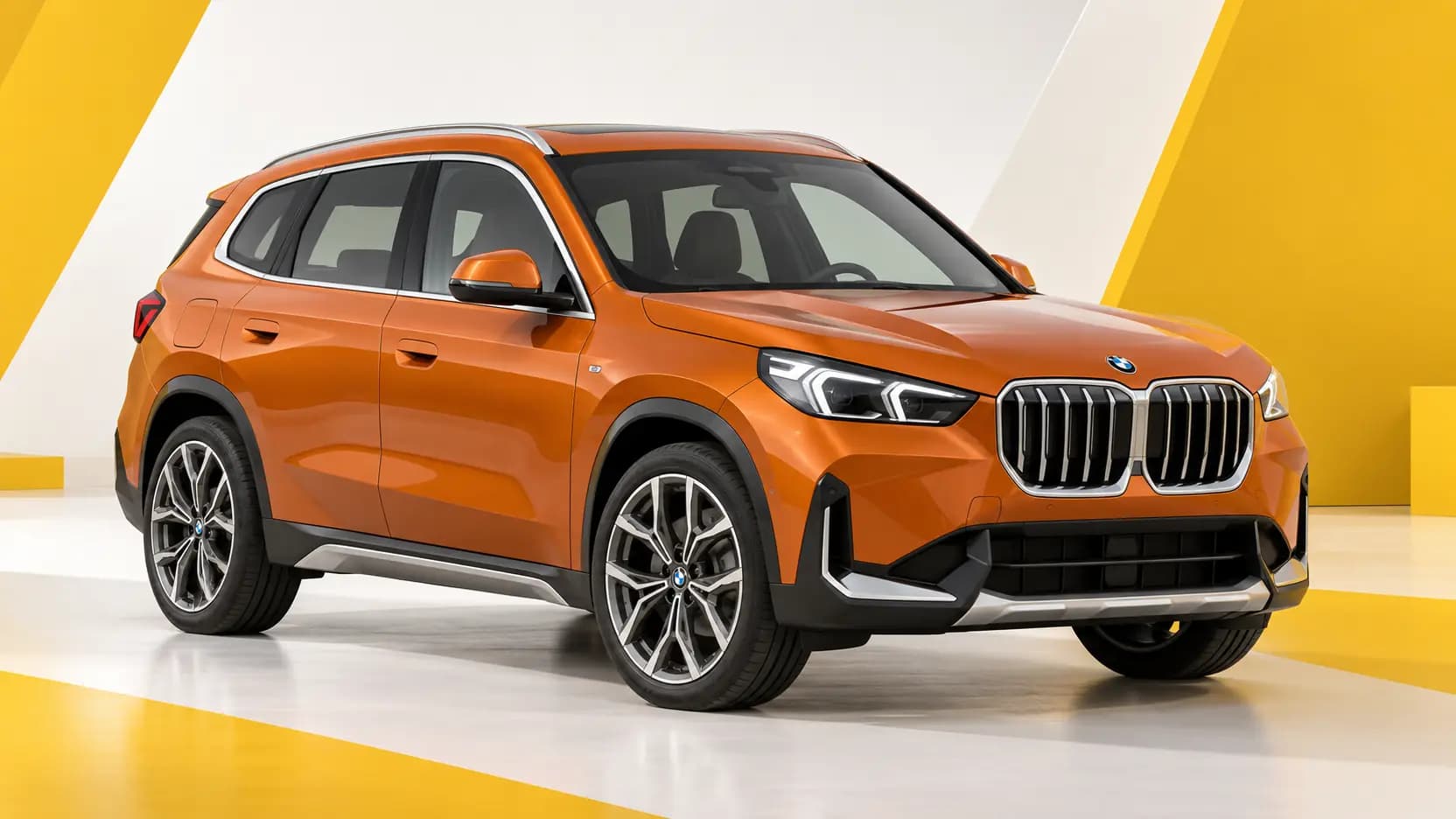
What are the pros and cons of the BMW X1?
The BMW X1's strengths are its model-specific performance and practicality; its trade-offs are size, complexity and the cost of high-specification variants.
Strengths
- The U11 achieved five Euro NCAP stars in 2022, and the rating covers combustion X1 and iX1 variants listed by Euro NCAP.
- A 540-litre combustion-model boot is larger than many premium compact-SUV rivals.
- The U11 range spans petrol, diesel, PHEV and the separate iX1 electric derivative without changing the basic cabin format.
Weaknesses
- The U11’s screen-led interface removes many direct physical controls and deserves a thorough usability test.
- PHEV versions sacrifice boot space and value depends on regular charging.
- F48 and U11 front-drive-based cars feel different from the rear-drive-based E84, despite sharing the X1 badge.
Good to know before buying
- The sDrive18i is the straightforward low-mileage choice; xDrive20d/23d better suits long, frequent motorway use.
- Check the exact U11 drivetrain because petrol, diesel, PHEV and iX1 versions differ in boot, towing and service needs.
- Euro NCAP rated the U11 in 2022, but its report noted weak driver chest protection in the frontal offset test.
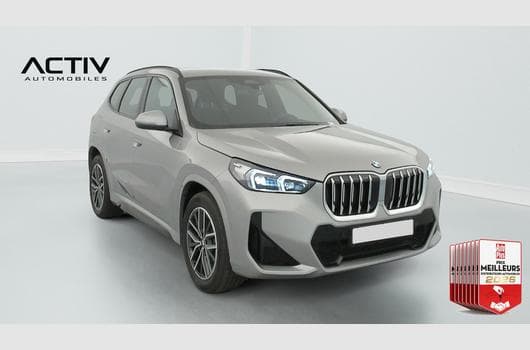
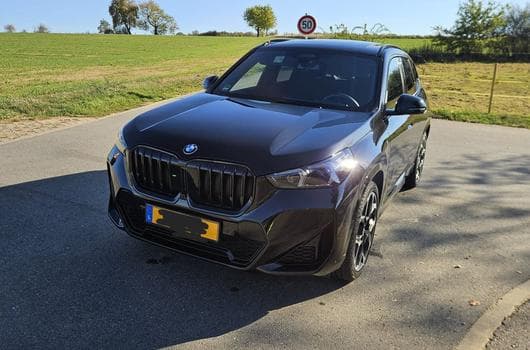
Current BMW X1 listings in Luxembourg
View all BMW X1 listings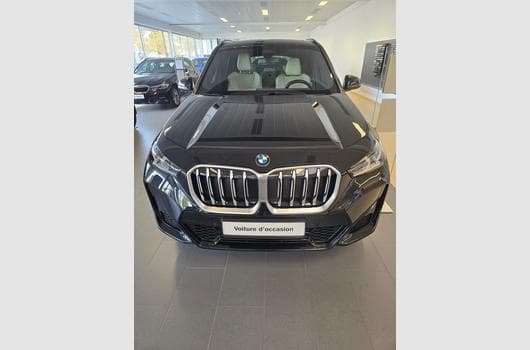
11
7

15
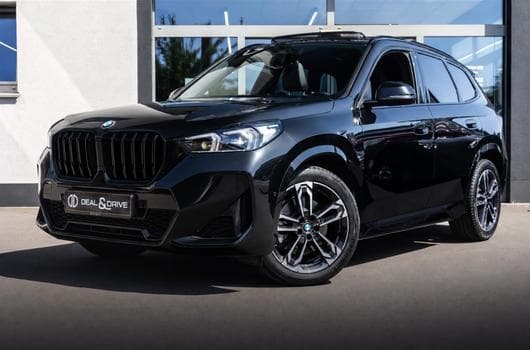
15
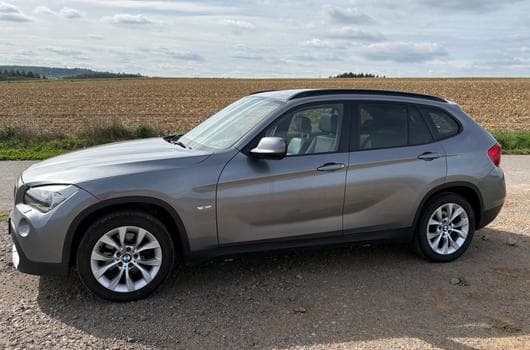
3
1
8
8
15
15
7

15
What are the BMW X1 generations?
The current BMW X1 is coded U11. Luxembourg listings mainly span U11, F48, E84, whose platforms and powertrains should not be mixed when comparing specifications.
| Generation | Code | Years | Key change vs previous | Listings |
|---|---|---|---|---|
| 3rd generation | U11 | 2022-present | Larger cabin, BMW Operating System 9 and first iX1 battery-electric version | View U11 listings |
| 2nd generation | F48 | 2015-2022 | Front-drive-based platform, better cabin space and first xDrive25e PHEV | View F48 listings |
| 1st generation | E84 | 2009-2015 | Rear-drive-based layout with longitudinal engines and optional xDrive | View E84 listings |
| Early and late facelifts | E84 LCI / F48 LCI | 2012-2022 | Equipment, lighting and infotainment updates within the first two generations | View E84 LCI / F48 LCI listings |
The U11 is the most spacious and offers the widest powertrain choice. The F48 is often the value sweet spot because it uses a practical transverse-engine layout without the newest screen interface. The E84 feels more like a raised estate, but age, rear space and older diesel maintenance now shape the decision.
Which BMW X1 engine should you choose?
The X1 sDrive18i suits most low-mileage buyers; choose a diesel for regular motorway use or a PHEV only with dependable charging.
| Engine types available | Petrol, Diesel, Mild hybrid, Plug-in hybrid, Electric |
|---|---|
| Engine codes | B38/B48 petrol, B47 diesel; electric motors on xDrive25e/30e and iX1 |
| Power range | 136-326 hp (100-240 kW) |
| Transmission / drivetrain | 7-speed dual-clutch or single-speed electric; front-wheel drive or xDrive |
| 0-100 km/h | 5.4-10.5 seconds |
| Combined consumption | 4.5-7.4 l/100 km; 0.7-1.1 l/100 km weighted for PHEV (WLTP) |
| CO2 emissions | 117-175 g/km; 16-24 g/km for PHEV; 0 g/km at tailpipe for iX1 |
| Boot volume | 540 / 1,600 litres combustion; 490 / 1,495 litres PHEV, variant-dependent |
| Towing capacity | Up to 2,000 kg braked, variant-dependent |
| Length / Width / Height | 4,500 / 1,845 / 1,642 mm (U11) |
| Wheelbase | 2,692 mm |
The sDrive18i keeps purchase and drivetrain complexity relatively contained. The xDrive23i and 23d add power and all-wheel-drive traction, while the xDrive25e/30e trade some boot space for electric commuting. The iX1 is the full-electric relation and should be compared separately for charging speed, usable range and battery warranty.
What are common BMW X1 problems?
The X1’s documented issues are generation- and VIN-specific. Check campaign status first, then focus on tyres, electronics and powertrain behaviour during a cold test drive.
- Rollover sensor in airbag control unit — Selected F48 X1 vehicles built 12-20 March 2020, 2020. A defective sensor could prevent correct airbag deployment in a rollover. EU Safety Gate lists recall codes 0065350300 and 0065370300. BMW / EU documented campaign information
- Brake vacuum pump lubrication — Selected E84 X1 petrol variants, 2012-2013. Restricted lubrication could reduce vacuum assistance and increase brake-pedal effort. Applicability is limited to specific chassis numbers. BMW / EU documented campaign information
What to check before buying
- Enter the VIN in BMW’s recall checker and retain proof of every completed campaign.
- On F48/U11 dual-clutch cars, test smooth low-speed take-up when cold and warm.
- Check tyre matching on xDrive cars, then inspect brake wear, suspension noises and wheel damage.
- Test the touchscreen, user profiles, parking cameras, driver assistance and both charging cables on electrified versions.
What does a BMW X1 cost to run in Luxembourg?
Running costs for a BMW X1 in Luxembourg depend heavily on homologated CO2, tyres, brakes and equipment. The road-tax numbers below are estimates, not invoice amounts.
Taxe sur les véhicules automoteurs (annual road tax)
| X1 sDrive18i (approx. 144 g/km petrol) | approx. €130 per year (estimate) |
|---|---|
| X1 xDrive23d (approx. 124 g/km diesel) | approx. €120 per year (estimate) |
| X1 xDrive25e (approx. 17 g/km weighted) | approx. €30 per year (estimate) |
| iX1 battery electric (0 g/km tailpipe) | approx. €30 per year (estimate) |
Basis: official Luxembourg CO2-based passenger-car tax method applied to representative homologated values. Minimum charges and the exact registration-certificate value can change the result; estimates only.
Servicing
Basis: BMW Condition Based Service documentation; vehicle-specific due items take precedence.
Real-world consumption
Basis: qualified mixed-use estimates, kept separate from the WLTP homologation figures above.
What are the best alternatives to the BMW X1?
These four alternatives cover the BMW X1's main use case but differ in space, driving character or electrification.
| Model | Body | Powertrains | Boot (l) | Euro NCAP | Key difference |
|---|---|---|---|---|---|
| BMW X1 | Five-door SUV | Petrol, Diesel, Mild hybrid, Plug-in hybrid, Electric | 490-540; powertrain-dependent | 5 stars (U11, 2022) | |
| Audi Q3 | SUV | Petrol, diesel, PHEV | 380-530 | 5 (2018) | Similar premium footprint with a more conventional control layout on many used cars. |
| Mercedes GLA | SUV | Petrol, diesel, PHEV | 385-435 | 5 (2019) | Lower roofline and smaller boot, with a comfort-led cabin. |
| Volvo XC40 | SUV | Petrol mild hybrid, PHEV, electric | 419-452 | 5 (2018) | Boxier styling and strong safety focus; electric versions use separate Recharge naming. |
| Volkswagen Tiguan | SUV | Petrol, diesel, mild hybrid, PHEV | 490-652 | 5 (2024) | More rear and luggage space for the money, with less premium positioning. |
- Similar premium footprint with a more conventional control layout on many used cars. Browse used Audi Q3 listings in Luxembourg
- Lower roofline and smaller boot, with a comfort-led cabin. Browse used Mercedes GLA listings in Luxembourg
- Boxier styling and strong safety focus; electric versions use separate Recharge naming. Browse used Volvo XC40 listings in Luxembourg
- More rear and luggage space for the money, with less premium positioning. Browse used Volkswagen Tiguan listings in Luxembourg
Which used BMW X1 should you buy?
Frequently asked questions about the BMW X1
How safe is the BMW X1?+
The BMW X1 result is 5 stars (U11, 2022). Check the exact generation because protocols and standard equipment change over time.
What is the boot capacity of the BMW X1?+
The relevant BMW X1 capacities are 540 / 1,600 litres combustion; 490 / 1,495 litres PHEV, variant-dependent. Powertrain and body style can change the usable space, so confirm the exact variant rather than relying on a range-wide figure.
Which BMW X1 engine is best for daily driving?+
X1 sDrive18i is the starting recommendation for the use described here. Short urban trips, annual motorway mileage, towing and charging access can justify a different engine.
Is the BMW X1 available as a hybrid or electric car?+
Yes, the BMW X1 range includes plug-in-hybrid versions and a related battery-electric derivative. Compare boot space, charging behaviour and homologated data for the precise version.
How should a BMW X1 be serviced?+
BMW uses Condition Based Service on the BMW X1, so the car displays due items according to time, distance and monitored wear rather than one universal interval. Follow the vehicle-specific service record and verify brake fluid, filters, plugs or diesel items separately.
Is the BMW X1 better than the Audi Q3?+
Neither is better in every respect. The BMW X1 emphasises BMW’s driving position and powertrain tuning, while the Audi Q3 offers a different balance of cabin layout, ride and practicality; compare equivalent generations and engines.
Can I import a BMW X1 from Germany or Belgium?+
Yes, an EU-market BMW X1 can be registered in Luxembourg when its purchase, registration, conformity and tax documents are in order. Check VIN campaigns, equipment, homologated CO2 and service history before purchase because these affect registration and ownership costs.
About this guide
- Author
- Luxauto Editorial Team — Automotive editorial team
- Reviewed by
- Luxauto Automotive Content Team — Automotive content review
- Published
- Last updated
Listing figures derived from 174 active Luxauto listings on October 22, 2026.