BMW X5
BMW X5: review and buying guide
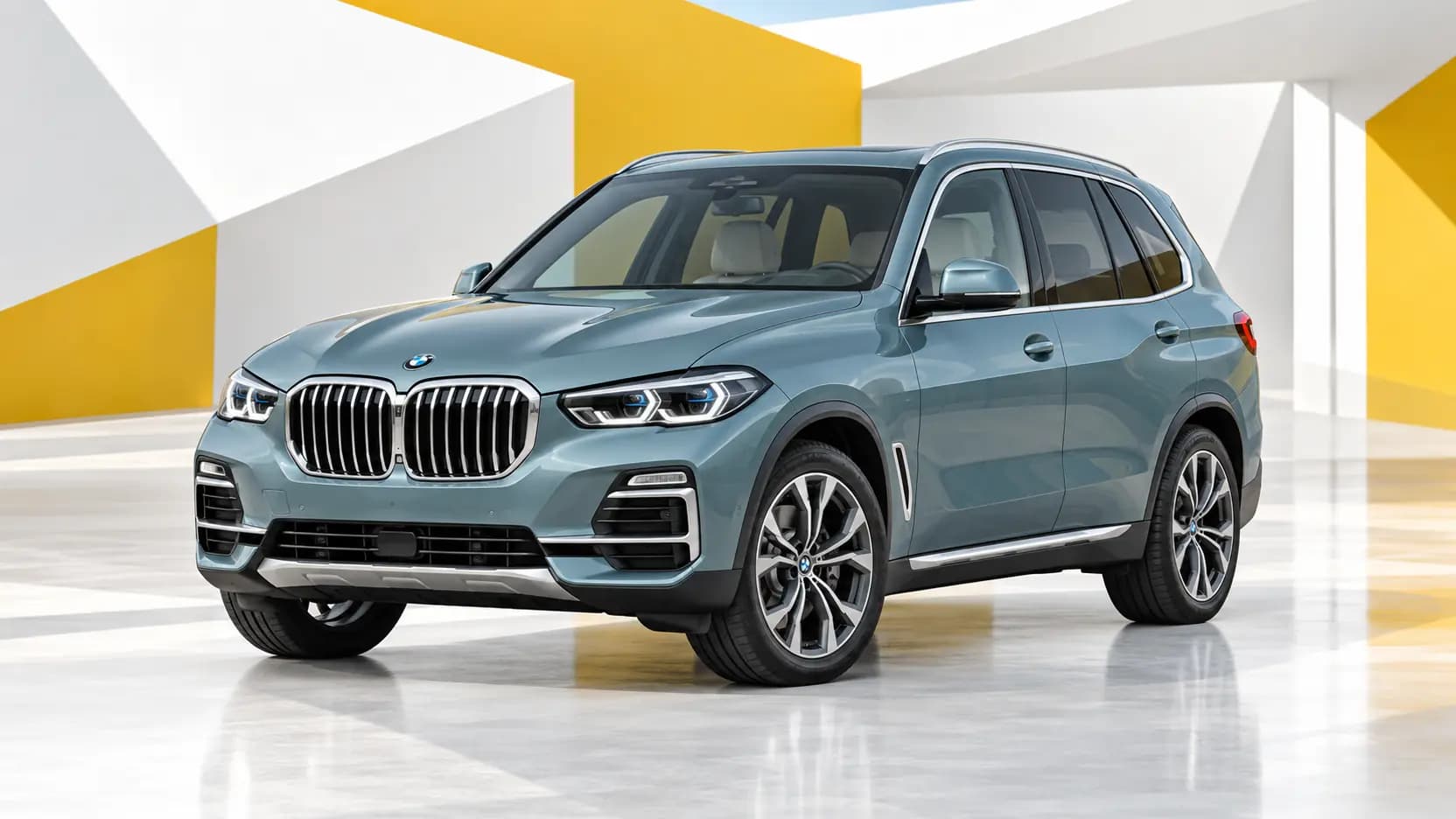
The BMW X5 is a large premium suv. The current G65 generation follows the G05; this guide separates engines, boot space, Euro NCAP safety and the checks that matter when buying used in Luxembourg.
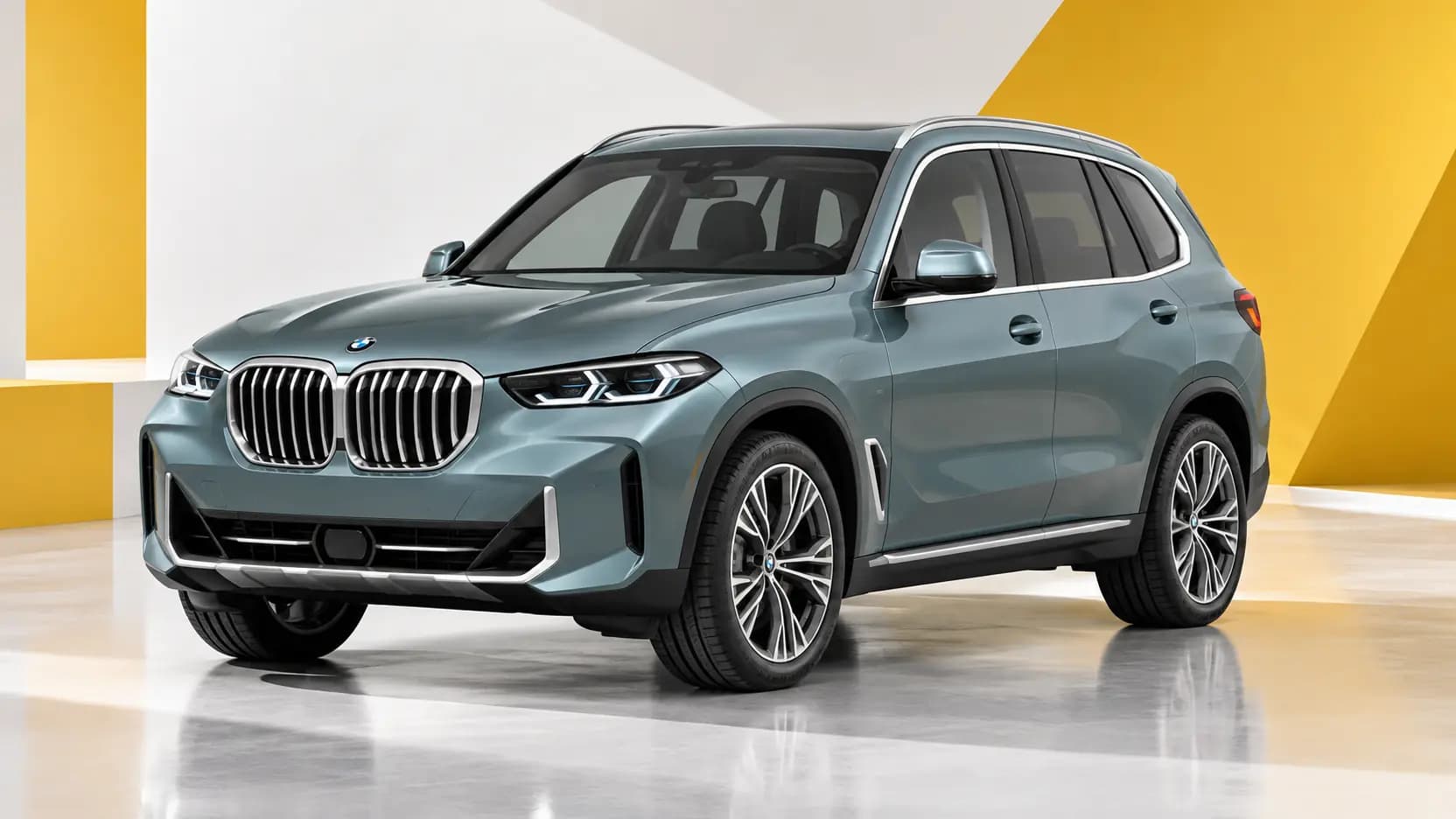
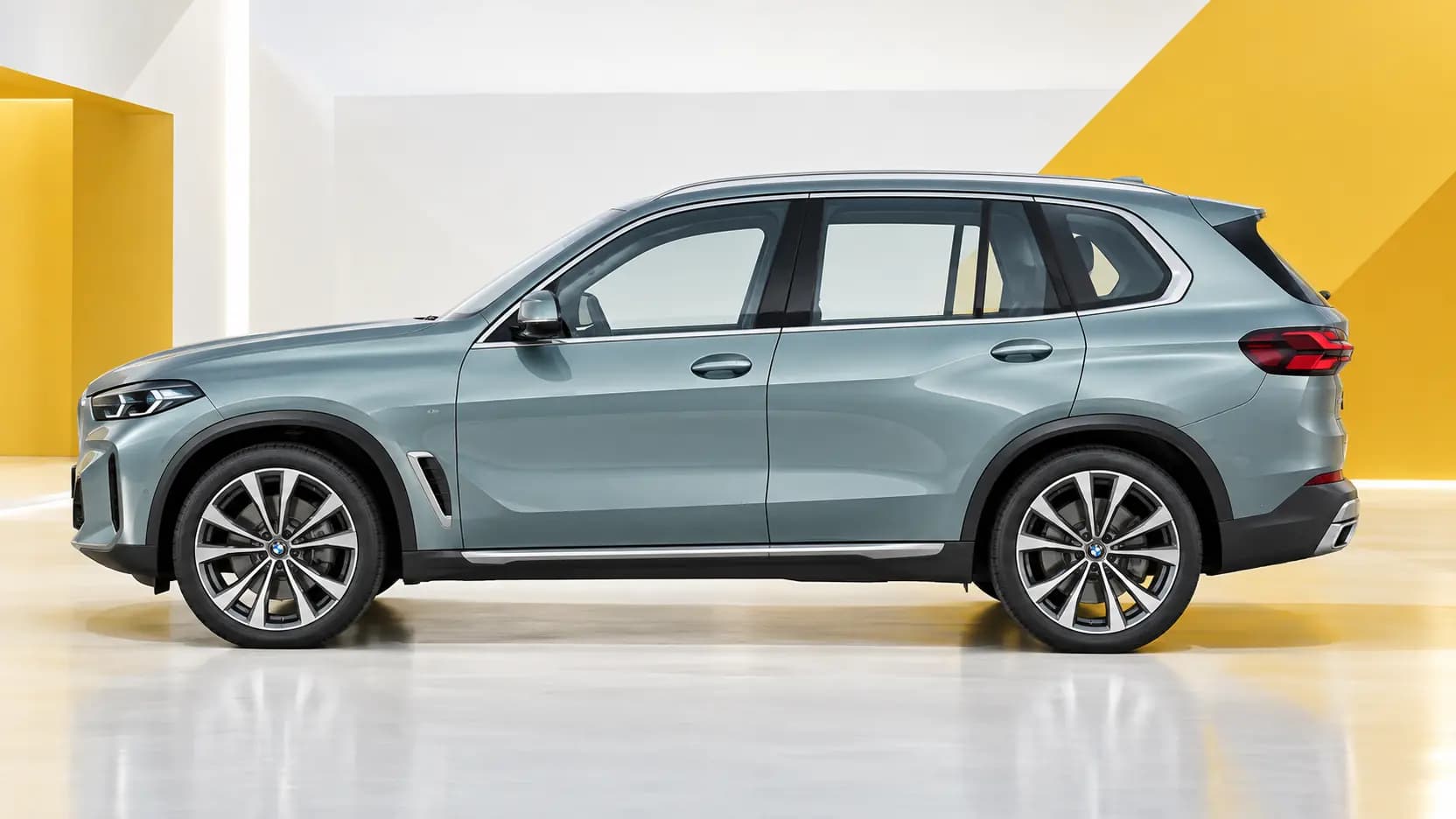
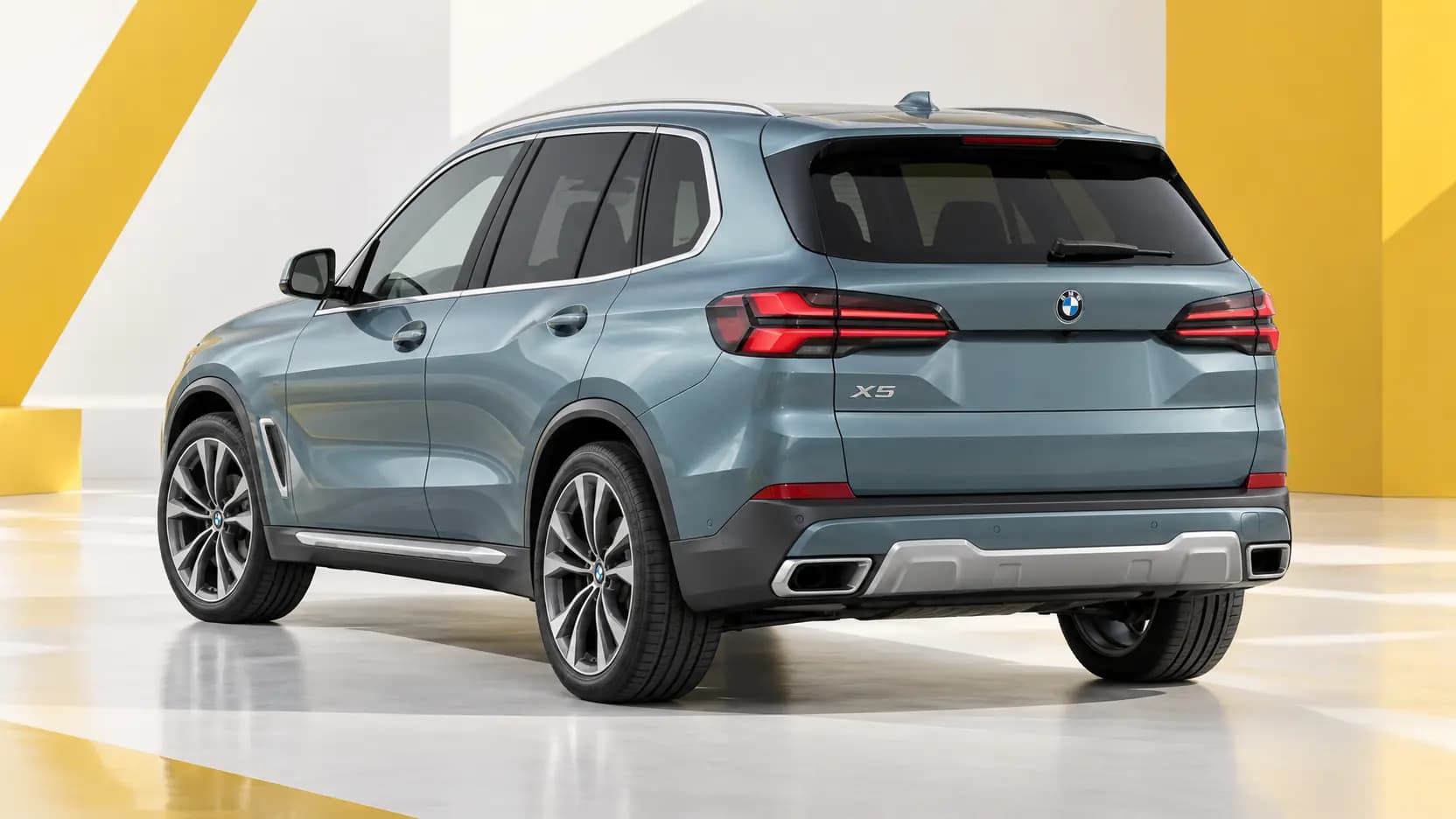
| Segment | Large premium SUV |
|---|---|
| Body styles | Five-door SUV; optional third row on selected versions |
| Production | 1999-present, 5 generations |
| Generations on the Luxembourg used market | G65 (2026-present), G05 (2018-2026), F15 (2013-2018), E53 / E70 (1999-2013) |
| Powertrains | Petrol, Diesel, Mild hybrid, Plug-in hybrid, Electric |
| Boot capacity | 500-650 litres (G05, variant-dependent) |
| Euro NCAP | 5 stars (G05, 2018; rating expired) |
| listings on Luxauto | 101 |
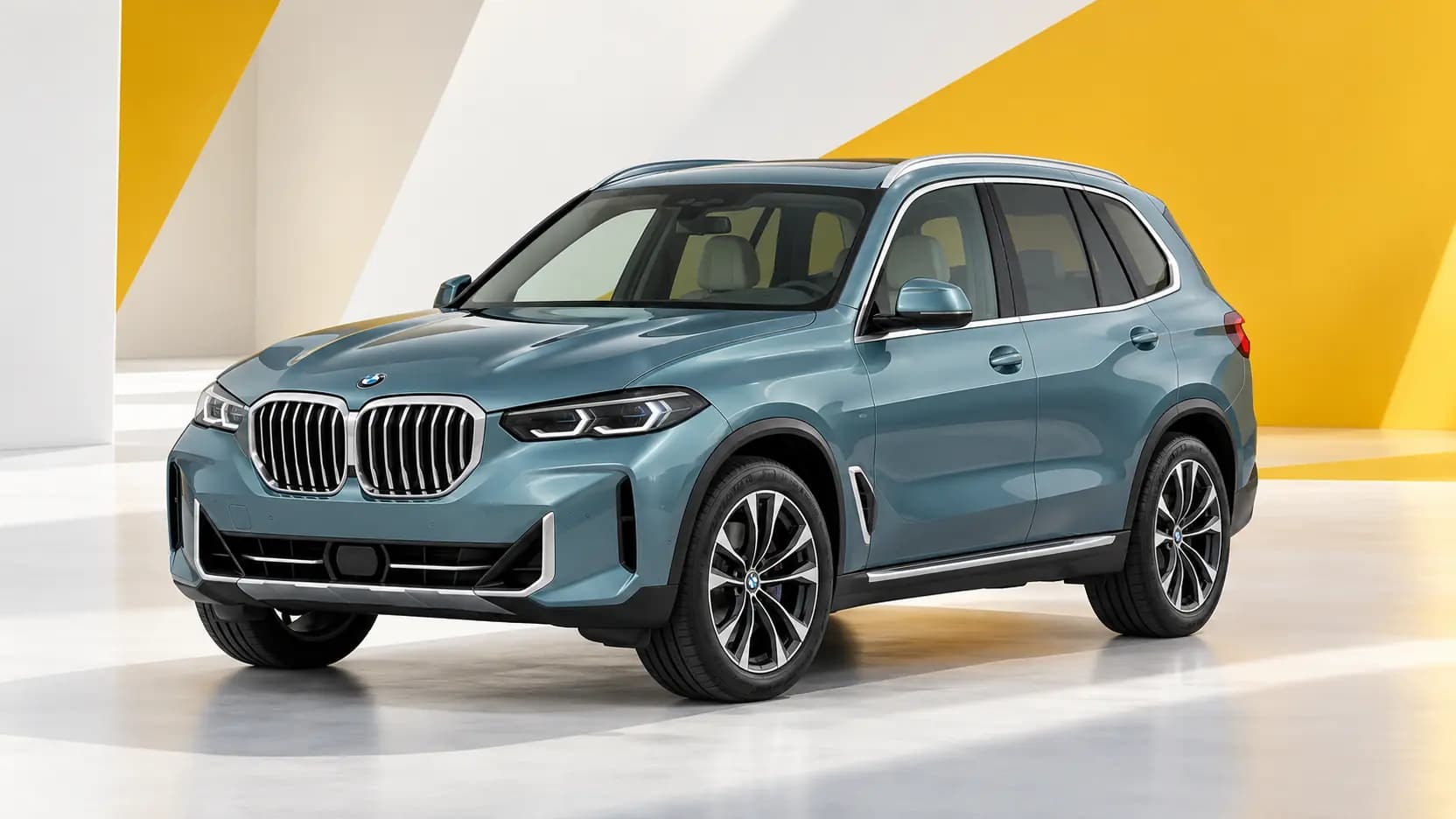
What are the pros and cons of the BMW X5?
The BMW X5's strengths are its model-specific performance and practicality; its trade-offs are size, complexity and the cost of high-specification variants.
Strengths
- The G05 offers 650 litres in combustion form and up to 3,500 kg towing when correctly specified.
- Six-cylinder 30d and 40d models combine strong motorway performance with materially lower consumption than the V8s.
- The 50e provides meaningful electric commuting range and 490 hp without giving up xDrive.
Weaknesses
- At 2,004 mm wide before mirrors, the G05 is demanding in narrow streets and parking structures.
- Air suspension, large wheels, complex driver assistance and PHEV hardware increase repair exposure as cars age.
- The 50e boot is 150 litres smaller than a combustion G05 and seven-seat availability varies by powertrain.
Good to know before buying
- A 30d is usually the rational long-distance choice; the 50e works best for owners who charge daily and still need long-trip flexibility.
- Check whether the car has steel, adaptive or air suspension because ride quality and future costs differ.
- Confirm towing equipment and the homologated figure on the vehicle documents; not every X5 is rated to 3,500 kg.
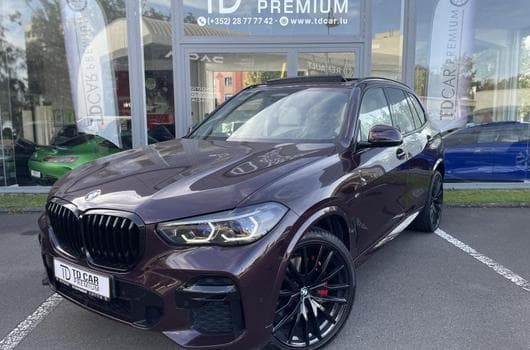
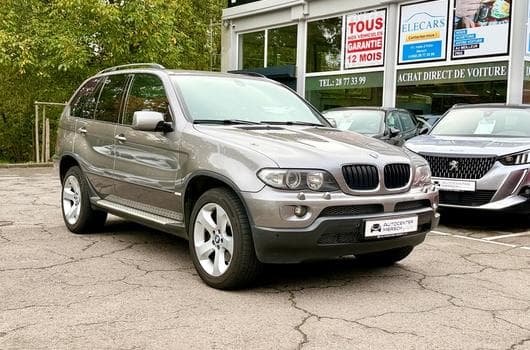
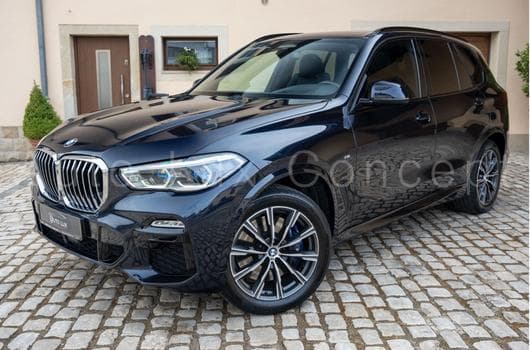
Current BMW X5 listings in Luxembourg
View all BMW X5 listings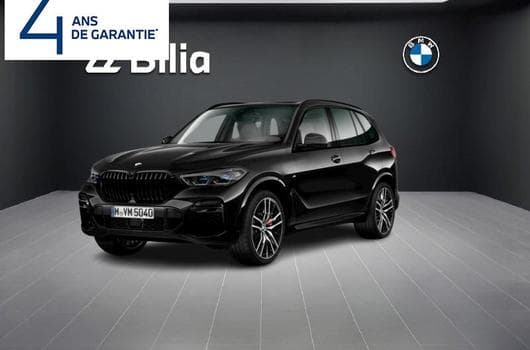
7
14
15
15
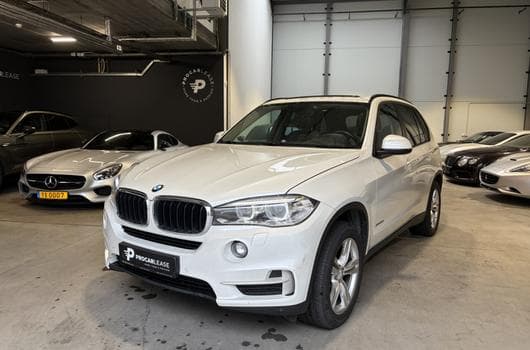
15
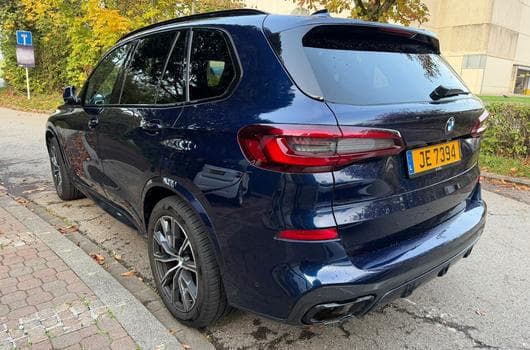
7
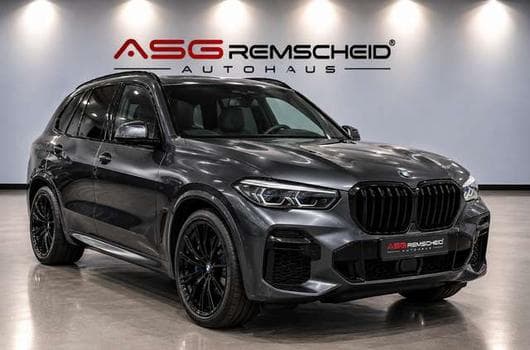
8
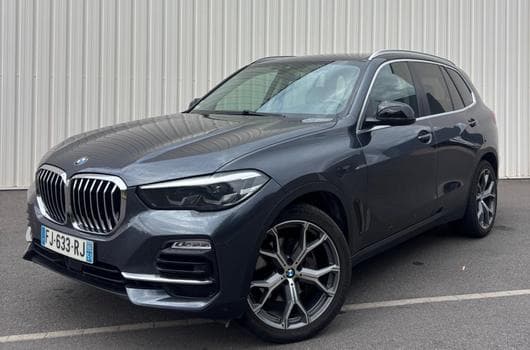
3
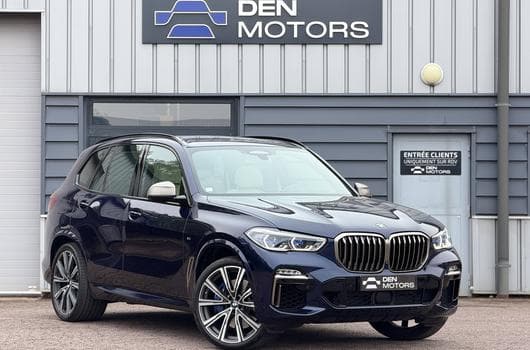
15
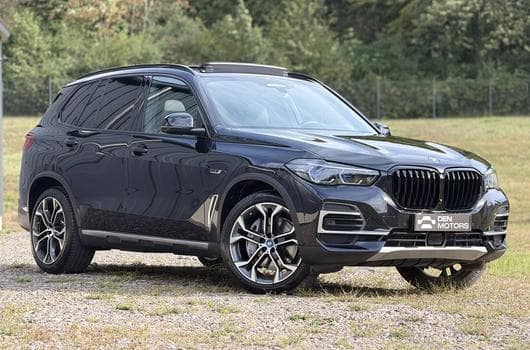
15
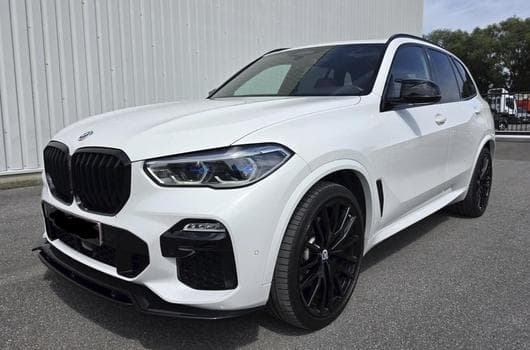
14
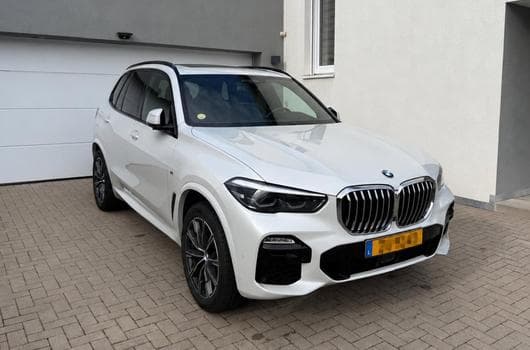
11
What are the BMW X5 generations?
The current BMW X5 is coded G65. Luxembourg listings mainly span G65, G05, F15, whose platforms and powertrains should not be mixed when comparing specifications.
| Generation | Code | Years | Key change vs previous | Listings |
|---|---|---|---|---|
| 5th generation | G65 | 2026-present | New architecture with combustion, PHEV and first battery-electric iX5 versions | View G65 listings |
| 4th generation | G05 | 2018-2026 | CLAR platform, optional air suspension and much longer-range 45e/50e PHEVs | View G05 listings |
| 3rd generation | F15 | 2013-2018 | Eight-speed automatic across the range and first X5 xDrive40e plug-in hybrid | View F15 listings |
| 1st and 2nd generations | E53 / E70 | 1999-2013 | From the original road-biased SAV to the larger E70 with optional seven seats | View E53 / E70 listings |
The G05 is the strongest used proposition, with better cabin technology and more useful PHEV range than the F15. The F15 costs less but deserves closer checks of suspension, emissions equipment and electronics. The new G65 broadens the powertrain choice, including iX5, yet early used supply is naturally limited in 2026.
Which BMW X5 engine should you choose?
The X5 xDrive30d is the best all-round used engine for Luxembourg; the 50e is compelling only when its battery will be charged frequently.
| Engine types available | Petrol, Diesel, Mild hybrid, Plug-in hybrid, Electric |
|---|---|
| Engine codes | B58 petrol, B57 diesel, N63/S68 V8; electric motor on 45e/50e |
| Power range | 286-530 hp (210-390 kW) on late G05 range |
| Transmission / drivetrain | 8-speed Steptronic; xDrive standard on Luxembourg-market versions |
| 0-100 km/h | 4.3-6.1 seconds (late G05 range) |
| Combined consumption | 7.1-12.9 l/100 km; 0.8-1.2 l/100 km weighted for 50e (WLTP) |
| CO2 emissions | 186-291 g/km; 18-27 g/km for 50e |
| Boot volume | 650 / 1,870 litres; 500 / 1,720 litres on 50e |
| Towing capacity | Up to 3,500 kg braked, equipment and variant-dependent |
| Length / Width / Height | 4,935 / 2,004 / 1,755 mm (G05 LCI) |
| Wheelbase | 2,975 mm |
The six-cylinder 30d suits motorway work, towing and full loads without the fuel appetite of the V8. The 50e is faster and can cover many commutes electrically, but it weighs more and carries 500 litres rather than 650. M60i and X5 M versions need a separate budget for tyres, brakes, fuel and insurance.
What are common BMW X5 problems?
X5 reliability depends heavily on generation, powertrain and equipment. Check campaign completion, suspension operation and cooling-system condition rather than accepting a blanket reliability claim.
- EGR cooler — F15 four-cylinder diesels built April 2015-September 2016 and six-cylinder diesels built July 2012-June 2015, 2012-2016. BMW’s European technical action covered coolant leakage inside the EGR module, which could create combustible deposits. Verify completion by VIN. BMW / EU documented campaign information
- Driver knee airbag — Early G05 X5 tested in 2018, 2018-2020. Euro NCAP recorded incorrect knee-airbag deployment on the tested car; BMW later removed the knee airbag from August 2020 after supplying supporting data, without changing the rating. BMW / EU documented campaign information
What to check before buying
- Run the VIN through BMW’s recall checker and compare the result with workshop invoices.
- Cycle air suspension through its height settings and leave the car parked to check for one corner settling.
- On 45e/50e models, confirm both charging cables, charging operation, electric range and a clean high-voltage diagnostic report.
- Inspect all four tyres, brake discs, cooling-system levels, powered tailgate, cameras and third-row operation where fitted.
What does a BMW X5 cost to run in Luxembourg?
Running costs for a BMW X5 in Luxembourg depend heavily on homologated CO2, tyres, brakes and equipment. The road-tax numbers below are estimates, not invoice amounts.
Taxe sur les véhicules automoteurs (annual road tax)
| X5 xDrive30d (approx. 200 g/km diesel) | approx. €430 per year (estimate) |
|---|---|
| X5 xDrive40i (approx. 220 g/km petrol) | approx. €395 per year (estimate) |
| X5 xDrive50e (approx. 23 g/km weighted) | approx. €30 per year (estimate) |
| X5 M60i (approx. 280 g/km petrol) | approx. €680 per year (estimate) |
Basis: official Luxembourg CO2-based passenger-car tax method applied to representative homologated values. Minimum charges and the exact registration-certificate value can change the result; estimates only.
Servicing
Basis: BMW Condition Based Service documentation; vehicle-specific due items take precedence.
Real-world consumption
Basis: qualified mixed-use estimates, kept separate from the WLTP homologation figures above.
What are the best alternatives to the BMW X5?
These four alternatives cover the BMW X5's main use case but differ in space, driving character or electrification.
| Model | Body | Powertrains | Boot (l) | Euro NCAP | Key difference |
|---|---|---|---|---|---|
| BMW X5 | Five-door SUV; optional third row on selected versions | Petrol, Diesel, Mild hybrid, Plug-in hybrid, Electric | 500-650 (G05, variant-dependent) | 5 stars (G05, 2018; rating expired) | |
| Audi Q7 | SUV | Diesel, petrol, PHEV | 563-780 | 5 (2015) | More conventional seven-seat packaging and a broad, quiet cabin. |
| Mercedes GLE | SUV | Petrol, diesel, PHEV | 490-630 | 5 (2019) | Comfort-biased ride and strong PHEV choices, with similarly complex electronics. |
| Volvo XC90 | SUV | Petrol mild hybrid, PHEV | 640-680 | 5 (2015) | Seven-seat family focus and restrained design; less sporting than the X5. |
| Porsche Cayenne | SUV | Petrol, PHEV | 621-772 | 5 (2017) | Sharper road manners and higher option-sensitive ownership costs. |
- More conventional seven-seat packaging and a broad, quiet cabin. Browse used Audi Q7 listings in Luxembourg
- Comfort-biased ride and strong PHEV choices, with similarly complex electronics. Browse used Mercedes GLE listings in Luxembourg
- Seven-seat family focus and restrained design; less sporting than the X5. Browse used Volvo XC90 listings in Luxembourg
- Sharper road manners and higher option-sensitive ownership costs. Browse used Porsche Cayenne listings in Luxembourg
Which used BMW X5 should you buy?
Frequently asked questions about the BMW X5
How safe is the BMW X5?+
The BMW X5 result is 5 stars (G05, 2018; rating expired). Check the exact generation because protocols and standard equipment change over time.
What is the boot capacity of the BMW X5?+
The relevant BMW X5 capacities are 650 / 1,870 litres; 500 / 1,720 litres on 50e. Powertrain and body style can change the usable space, so confirm the exact variant rather than relying on a range-wide figure.
Which BMW X5 engine is best for daily driving?+
X5 xDrive30d is the starting recommendation for the use described here. Short urban trips, annual motorway mileage, towing and charging access can justify a different engine.
Is the BMW X5 available as a hybrid or electric car?+
Yes, the BMW X5 range includes plug-in-hybrid versions and a related battery-electric derivative. Compare boot space, charging behaviour and homologated data for the precise version.
How should a BMW X5 be serviced?+
BMW uses Condition Based Service on the BMW X5, so the car displays due items according to time, distance and monitored wear rather than one universal interval. Follow the vehicle-specific service record and verify brake fluid, filters, plugs or diesel items separately.
Is the BMW X5 better than the Audi Q7?+
Neither is better in every respect. The BMW X5 emphasises BMW’s driving position and powertrain tuning, while the Audi Q7 offers a different balance of cabin layout, ride and practicality; compare equivalent generations and engines.
Can I import a BMW X5 from Germany or Belgium?+
Yes, an EU-market BMW X5 can be registered in Luxembourg when its purchase, registration, conformity and tax documents are in order. Check VIN campaigns, equipment, homologated CO2 and service history before purchase because these affect registration and ownership costs.
About this guide
- Author
- Luxauto Editorial Team — Automotive editorial team
- Reviewed by
- Luxauto Automotive Content Team — Automotive content review
- Published
- Last updated
Listing figures derived from 101 active Luxauto listings on October 22, 2026.