Volkswagen Caddy
Volkswagen Caddy: review and buying guide
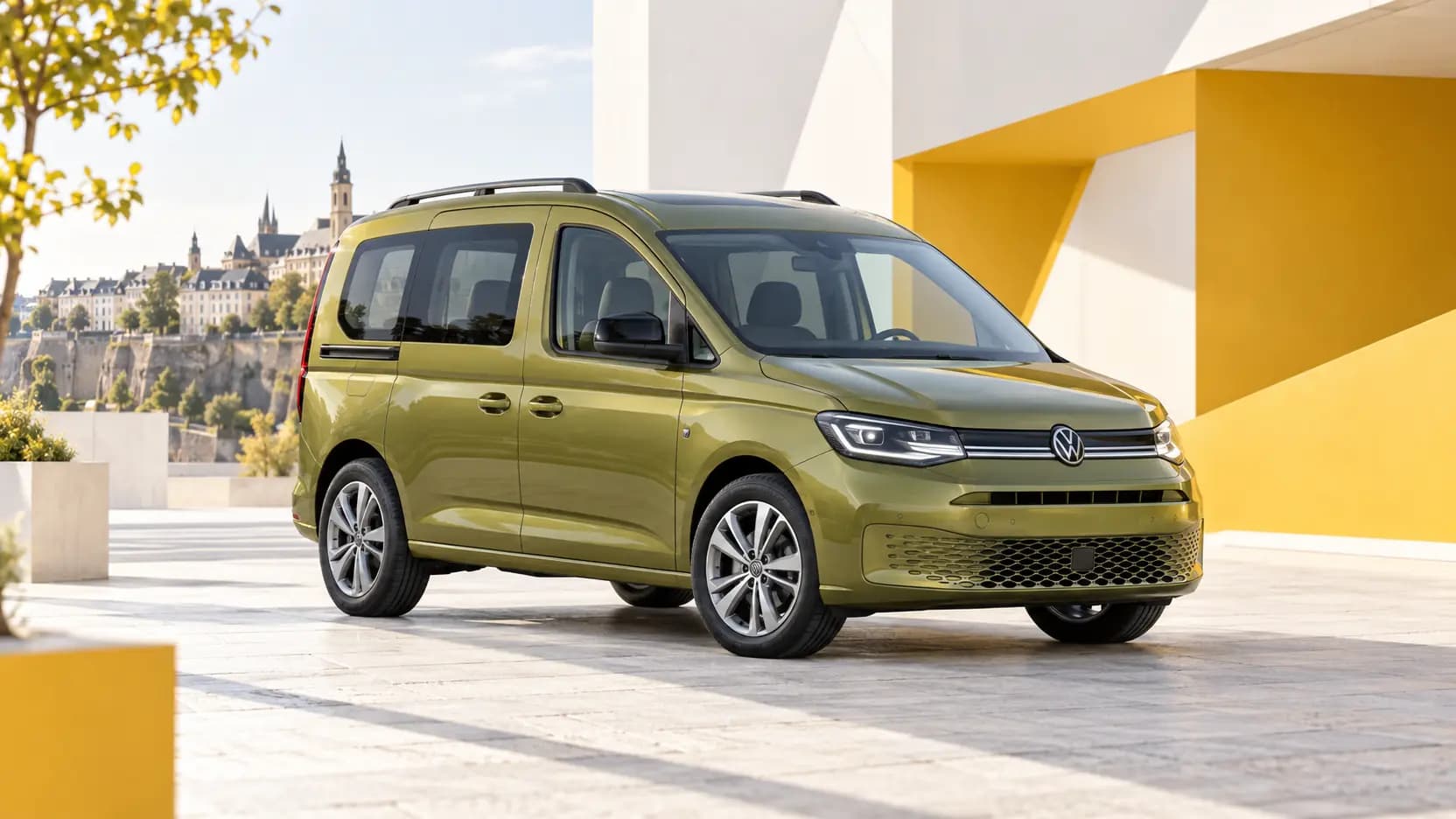
The Volkswagen Caddy is both a tall passenger car and a working van, so body length, seating and registration category matter as much as engine choice. This guide distinguishes Caddy Life, Maxi, Cargo and California, including the current SB generation, its large load space and the wear associated with hard commercial use.
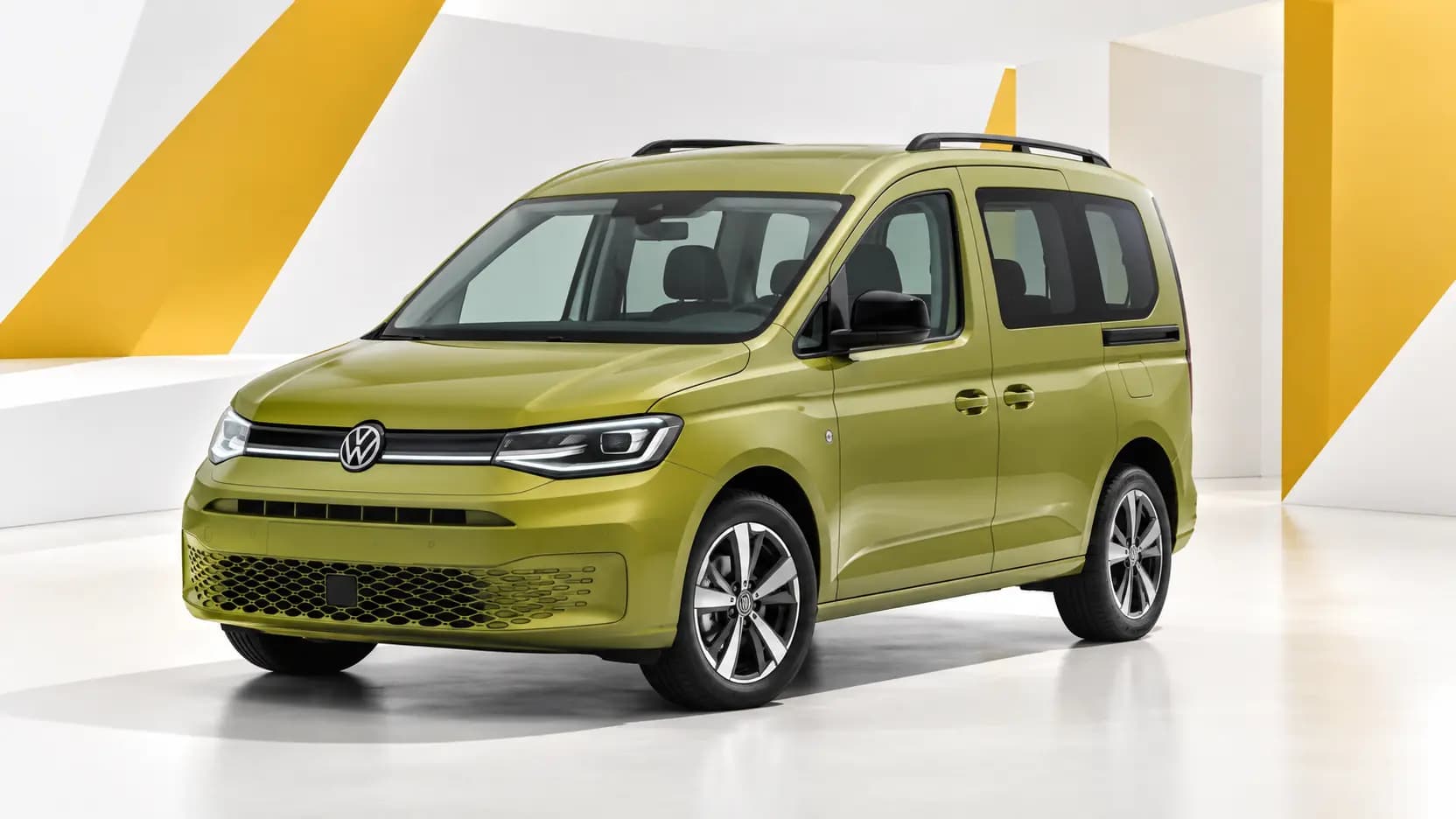
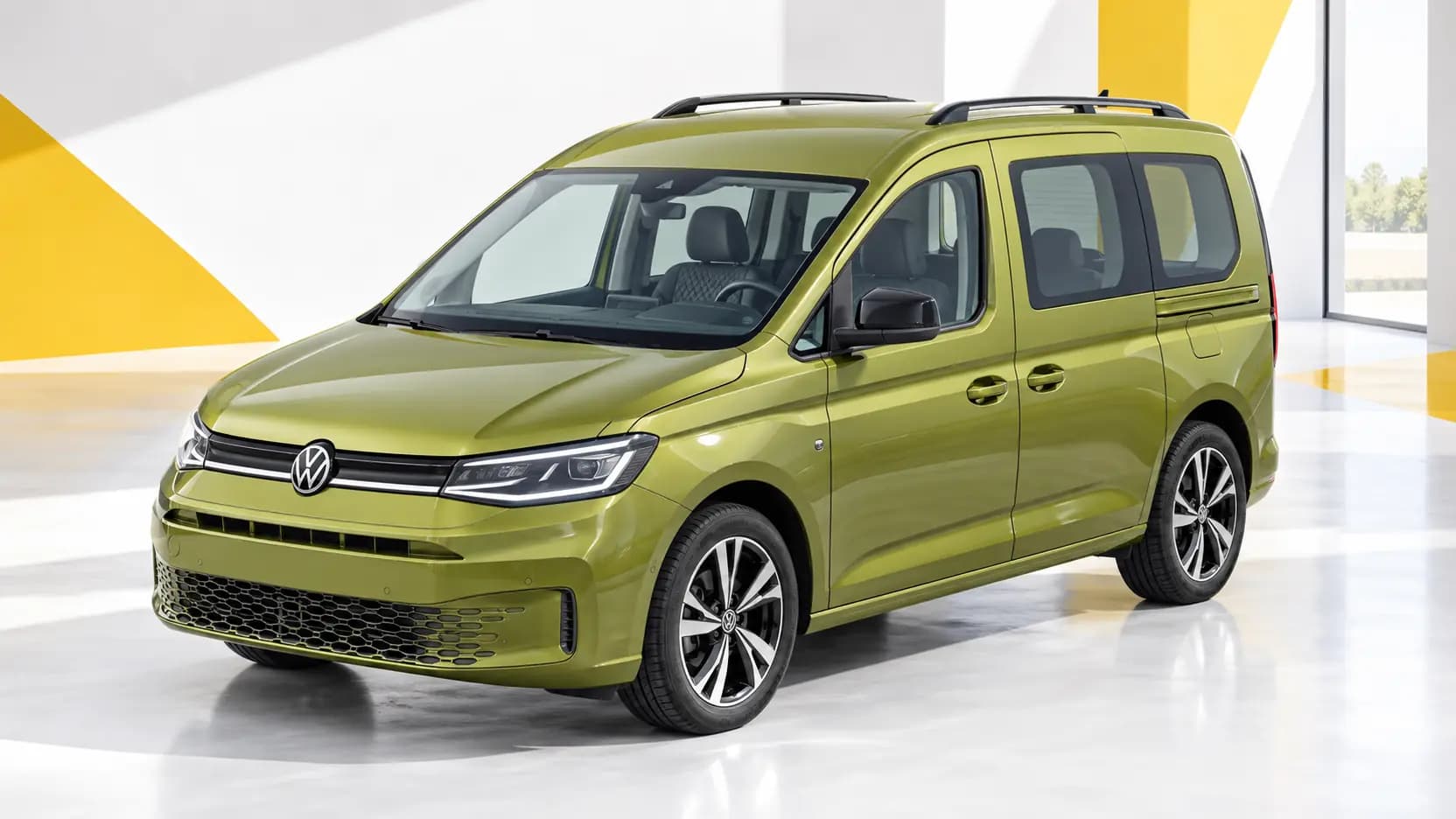
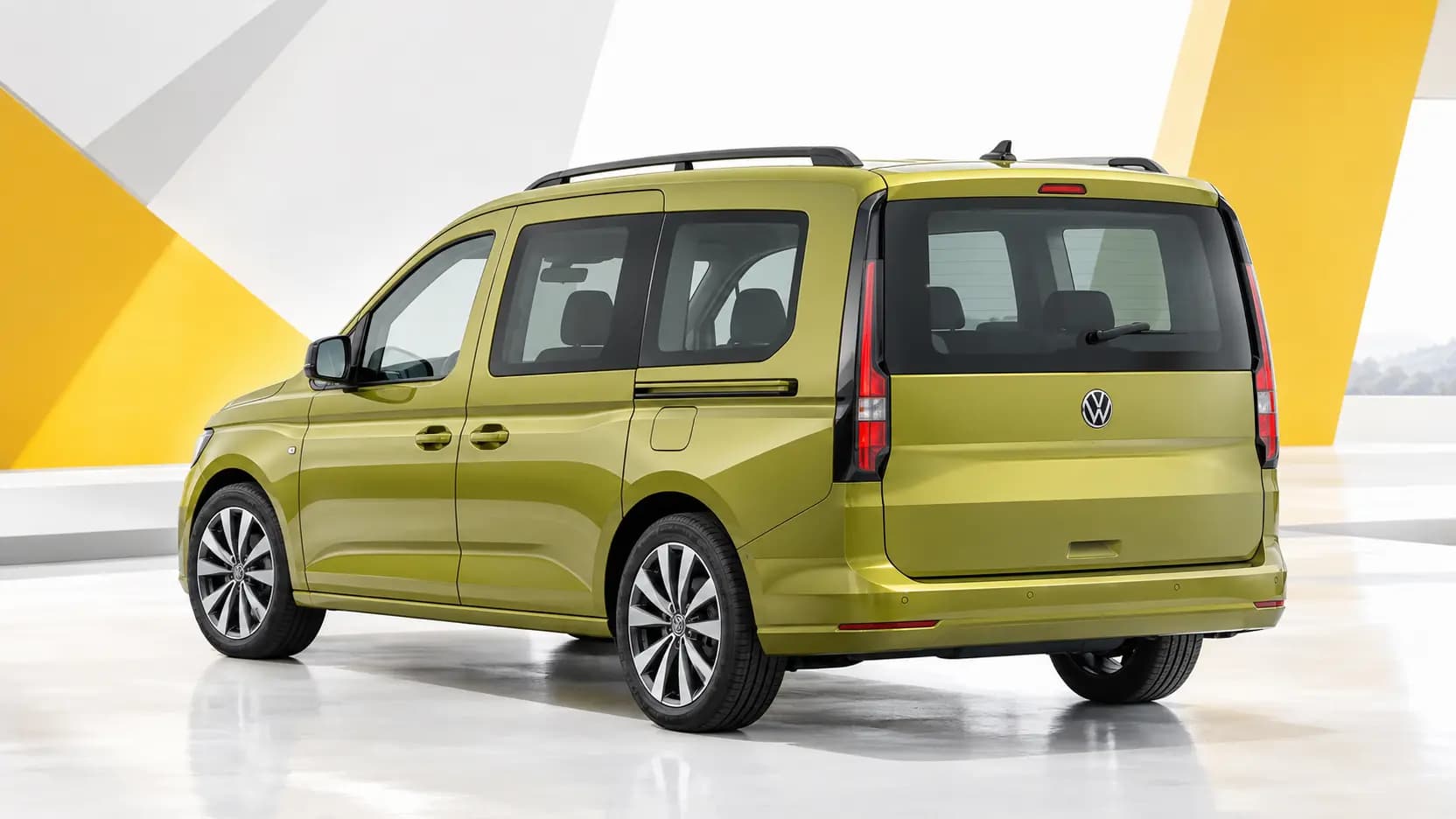
| Segment | Compact van-based MPV and light commercial vehicle |
|---|---|
| Body styles | Caddy, Caddy Maxi, Cargo and California |
| Production | 1980-present; five generations |
| Generations on the Luxembourg used market | 2K/DU (2003-2020), SB (2020-) |
| Powertrains | Petrol, diesel, plug-in hybrid; earlier CNG |
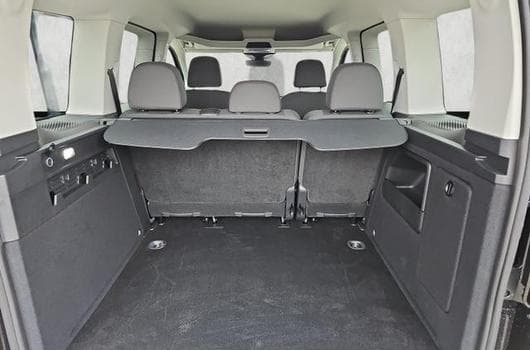
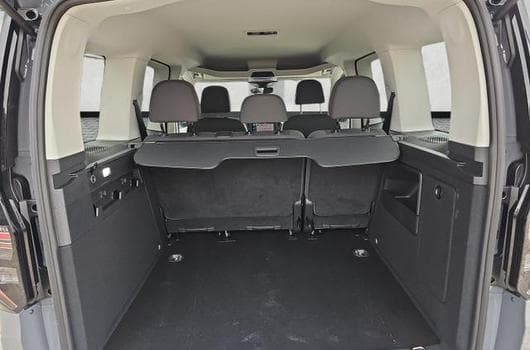
| Boot capacity | 1,213 litres behind row two (current short Caddy Life) |
| Euro NCAP | 4 stars (Euro NCAP reassessment, 2025) |
| Listings on Luxauto | 216 |
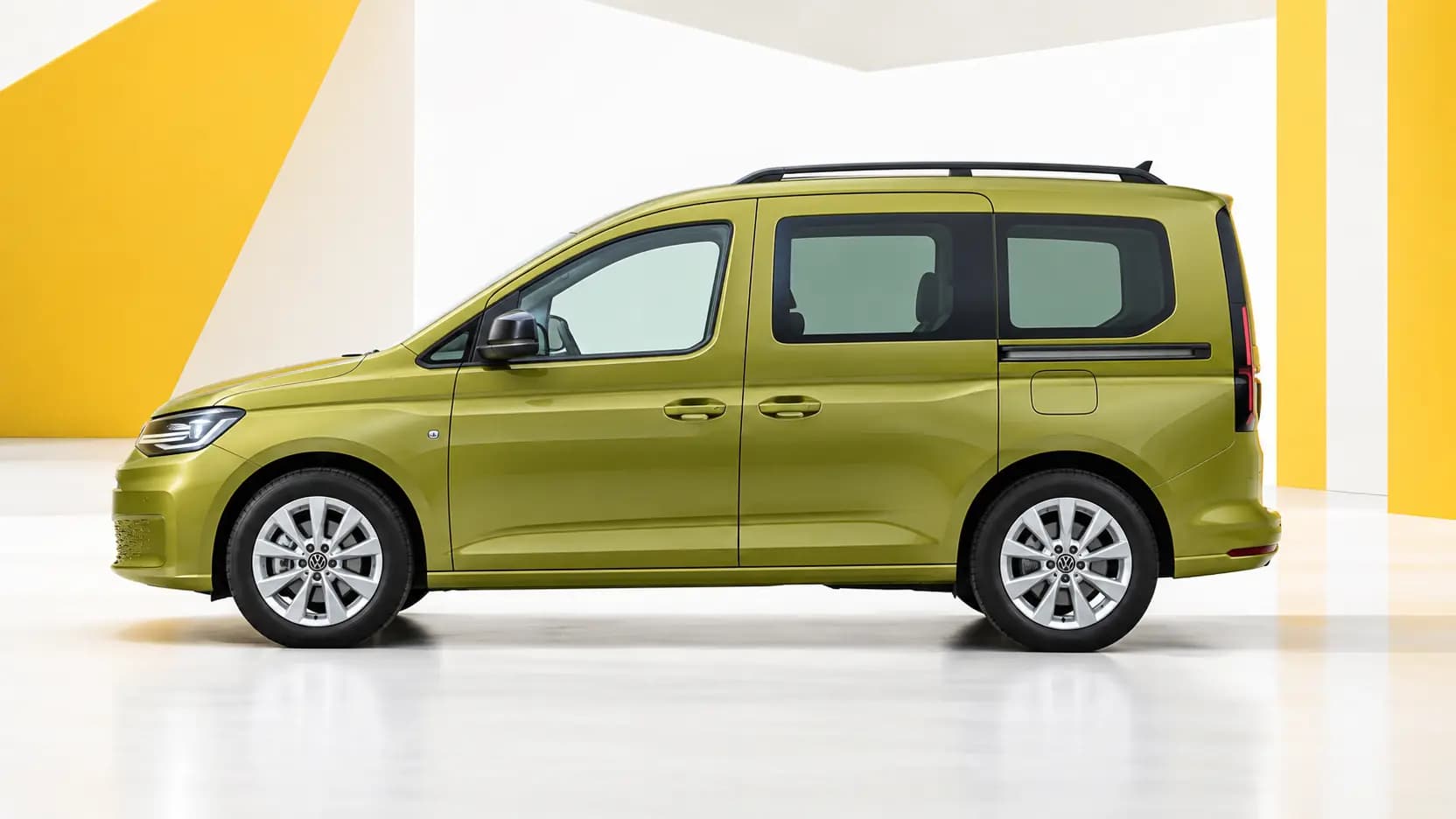
What are the pros and cons of the Volkswagen Caddy?
Volkswagen Caddy has clear practical strengths, but the generation and powertrain determine its main compromises.
Strengths
- Twin sliding doors and a tall, square cabin make loading people or bulky equipment easy.
- The current short Caddy Life provides 1,213 litres behind its second row.
- Standard and Maxi bodies let buyers trade manoeuvrability against seven-seat and luggage needs.
Weaknesses
- Commercial-vehicle roots mean more road and suspension noise than a conventional MPV.
- A third seat row leaves little luggage room in the short body.
- Heavily loaded former work vehicles can show accelerated clutch, brake and suspension wear.
Good to know before buying
- Decide first between passenger Caddy Life and N1-classified Caddy Cargo because tax, equipment and insurance differ.
- Remove or fold every seat during inspection to confirm mechanisms and supplied parts.
- Check both sliding doors, the tailgate and the load-floor edges for hard-use damage.
Current Volkswagen Caddy listings in Luxembourg
View all Volkswagen Caddy listings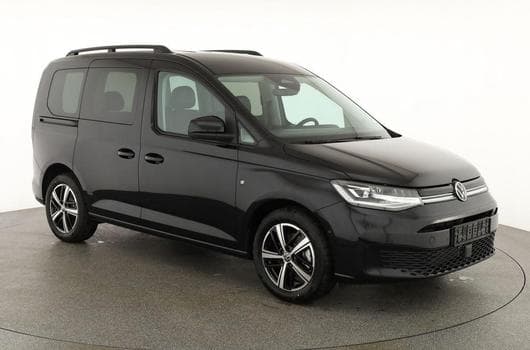
15
1
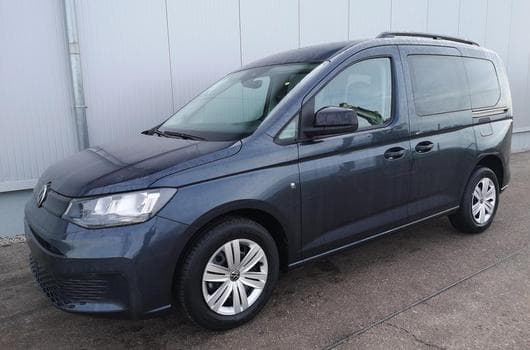
11
1
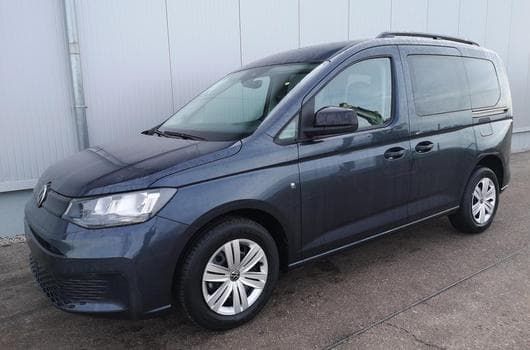
9
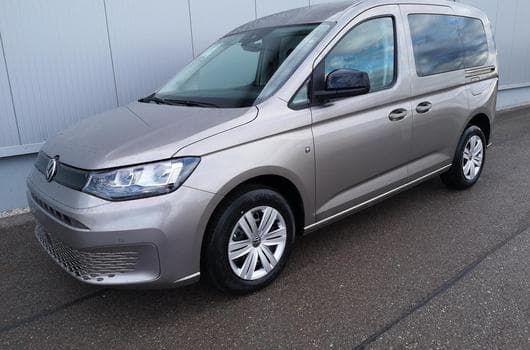
11
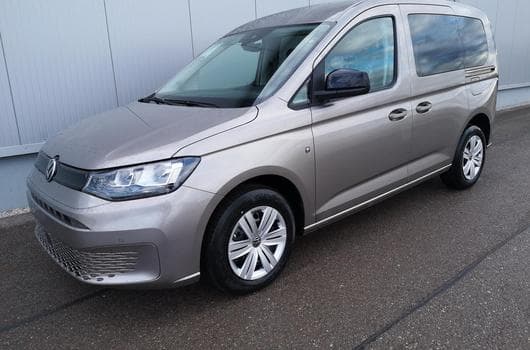
9
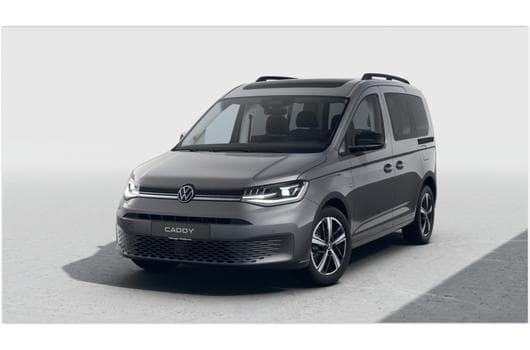
12
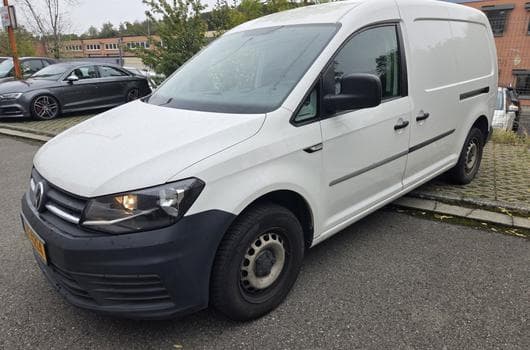
11
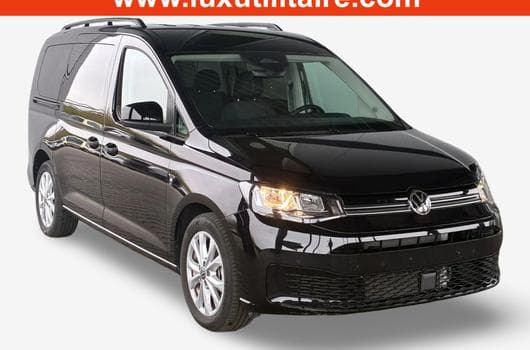
15
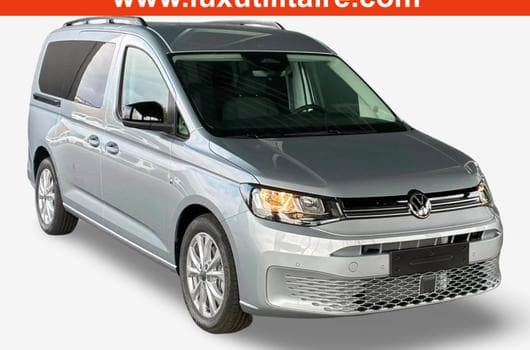
15
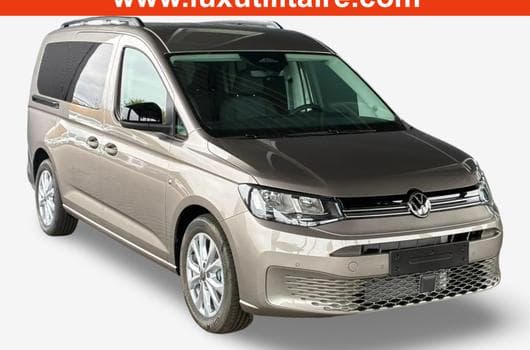
15
Which Volkswagen Caddy generation should you buy?
Volkswagen Caddy listings span mechanically distinct generations. 5th generation is the current reference point, while the previous generation usually offers the widest used choice and a lower entry price.
| Generation | Code | Years | Key change vs previous | Listings |
|---|---|---|---|---|
| 5th generation | Caddy V / Type SB | 2020-present | MQB platform, passenger-car cabin and eHybrid added | View 5th generation listings |
| 4th generation | Caddy IV / Type SA/DU | 2015-2020 | Deep update with Euro 6 engines and newer driver assistance | View 4th generation listings |
| 3rd generation | Caddy III / Type 2K | 2003-2015 | Purpose-built high-roof body with Maxi added in 2007 | View 3rd generation listings |
| Earlier Caddy | Types 14D and 9K | 1980-2003 | Pickup origins followed by Polo-derived second generation | View Earlier Caddy listings |
Choose by use rather than age alone: the newest Volkswagen Caddy brings the latest safety and connectivity, while a documented previous-generation car can be the stronger-value purchase. Compare body style, engine, gearbox and homologated CO2 before treating two adverts as equivalent.
Which Volkswagen Caddy engine should you choose?
The 2.0 TDI suits frequent loads and long journeys, while the 1.5 TSI is quieter for shorter mixed use; the eHybrid works best with dependable charging.
| Engine types available | Petrol, diesel, plug-in hybrid |
|---|---|
| Engine families | EA211 (1.5 TSI/eHybrid), EA288 evo (2.0 TDI) |
| Power range | 102-150 hp (75-110 kW), current passenger range |
| Transmission / drivetrain | 6-speed manual or 7-speed DSG; front-wheel drive |
| 0-100 km/h | About 11.4-14.0 seconds, by passenger version |
| Combined consumption | About 0.5-6.9 l/100 km WLTP; PHEV weighted figure assumes charging |
| CO2 emissions | About 11-157 g/km WLTP, version-dependent |
| Boot volume | 1,213 / 2,556 litres (short Caddy Life); 446 litres behind row three in Maxi |
| Towing capacity | Up to 1,500 kg braked, version-dependent |
| Length / Width / Height | 4,500 / 1,855 / up to 1,832 mm (short Caddy Life) |
| Wheelbase | 2,755 mm (short wheelbase) |
Use the table as a range guide, not as one specification: performance, towing, boot volume and CO2 change with engine and body. For a used Volkswagen Caddy, match the exact VIN and registration document to Volkswagen data, then test the gearbox from cold and confirm scheduled work in the service record.
What common Volkswagen Caddy problems should you check?
No fault applies to every Volkswagen Caddy. The documented points below are generation-, engine- or campaign-specific, so confirm the VIN, maintenance history and repair evidence before drawing conclusions about an individual car.
- Brakes, clutch and transmission wear — Caddy III/IV, especially heavily loaded vehicles, 2003-2020. ADAC identifies brakes as a weak inspection area and advises attention to clutch and gearbox wear on load-worked vehicles. Official or independent documented source
- Passenger-airbag switch — Selected Caddy vehicles, 2021-2023. A recall in an official market database covered an incorrectly fitted deactivation switch; ask Volkswagen to check the VIN. Official or independent documented source
What to check before buying
- Match the VIN to Volkswagen's digital service and recall records.
- Start the Volkswagen Caddy from cold and watch for warning lights, uneven running or delayed DSG engagement.
- Inspect tyres, brakes, suspension and body edges for use consistent with the mileage.
- Test infotainment, cameras, sensors, air conditioning and every fitted assistance function.
What does a Volkswagen Caddy cost to run in Luxembourg?
Road tax depends on the exact registered CO2 value, fuel and vehicle category. The examples below apply Luxembourg's formula to representative figures and are estimates, not invoices.
Taxe sur les véhicules automoteurs (annual road tax)
| Caddy Life 1.5 TSI, around 145 g/km | approx. €96 per year (estimate) |
|---|---|
| Caddy Life 2.0 TDI, around 135 g/km | approx. €122 per year (estimate) |
| Caddy eHybrid, low WLTP weighted CO2 | approx. €30 per year (estimate) |
Basis: Luxembourg tax is a × b × c, where a is CO2 in g/km, b is 0.9 for diesel or 0.6 for other fuels, and c starts at 0.5 below 90 g/km and rises by 0.1 per additional 10 g/km band. The statutory minimum is EUR 30.
Servicing and scheduled maintenance
Basis: Volkswagen VIN-specific maintenance information; exact requirements must be confirmed for the car.
Real-world consumption
Basis: official WLTP values; real-world outcome is usage-dependent.
What are the best alternatives to the Volkswagen Caddy?
These four alternatives overlap with the Volkswagen Caddy in size or use, but differ in luggage space, electrification and cabin packaging.
| Model | Body | Powertrains | Boot (l) | Euro NCAP | Key difference |
|---|---|---|---|---|---|
| Volkswagen Caddy | Caddy, Caddy Maxi, Cargo and California | Petrol, diesel, plug-in hybrid; earlier CNG | 1,213 | 4 (2025) | |
| Citroën Berlingo | Van-based MPV / van | Diesel, electric | 775-1,050 | 4 (2018) | More common electric version on used market |
| Peugeot Rifter | Van-based MPV | Diesel, electric | 775 | 4 (2018) | Passenger-focused Berlingo relative |
| Renault Kangoo | Van-based MPV / van | Petrol, diesel, electric | 775 | 4 (2021) | Wide door opening and electric E-Tech option |
| Opel Combo | Van-based MPV / van | Diesel, electric | 597-850 | 4 (2018) | Shared Stellantis practicality at different prices |
- Citroën Berlingo is a credible Volkswagen Caddy alternative. Its clearest distinction is more common electric version on used market, so compare the exact engine, equipment and luggage configuration rather than badge or headline price alone. Browse used Citroën Berlingo listings in Luxembourg
- Peugeot Rifter is a credible Volkswagen Caddy alternative. Its clearest distinction is passenger-focused berlingo relative, so compare the exact engine, equipment and luggage configuration rather than badge or headline price alone. Browse used Peugeot Rifter listings in Luxembourg
- Renault Kangoo is a credible Volkswagen Caddy alternative. Its clearest distinction is wide door opening and electric e-tech option, so compare the exact engine, equipment and luggage configuration rather than badge or headline price alone. Browse used Renault Kangoo listings in Luxembourg
- Opel Combo is a credible Volkswagen Caddy alternative. Its clearest distinction is shared stellantis practicality at different prices, so compare the exact engine, equipment and luggage configuration rather than badge or headline price alone. Browse used Opel Combo listings in Luxembourg
Which used Volkswagen Caddy should you buy?
Frequently asked questions about the Volkswagen Caddy
How safe is the Volkswagen Caddy?+
4 stars (Euro NCAP reassessment, 2025). Euro NCAP ratings apply to the stated test year and specified equipment, so an older generation is not directly comparable under a newer protocol. Check the individual car's driver-assistance specification.
How practical is the Volkswagen Caddy?+
1,213 litres behind row two (current short Caddy Life). Capacity changes with body, seat position and hybrid hardware, so inspect the exact configuration with the seats arranged as you will use them.
Which Volkswagen Caddy engine is best?+
The 2.0 TDI suits frequent loads and long journeys, while the 1.5 TSI is quieter for shorter mixed use; the eHybrid works best with dependable charging. Annual mileage, charging access, load and towing matter more than the nominal power figure.
Is the Volkswagen Caddy available as a hybrid or electric car?+
Petrol, diesel, plug-in hybrid; earlier CNG. Availability depends on generation and market; Volkswagen's battery-electric alternatives use the separate ID. range rather than this model name.
What maintenance does a used Volkswagen Caddy need?+
It needs the VIN-specific Volkswagen schedule, plus documented gearbox, brake-fluid and powertrain work where applicable. Timing drive and DSG requirements vary, so confirm the engine and gearbox codes before budgeting.
How does the Volkswagen Caddy compare with the Citroën Berlingo?+
Citroën Berlingo stands out for more common electric version on used market. The Volkswagen Caddy may suit a different mix of size, controls and powertrains, so compare equivalent years and equipment.
Can I import a Volkswagen Caddy from Germany or Belgium?+
Yes, an EU-market car can be registered in Luxembourg when its ownership, registration and conformity documents are complete. Check VAT treatment, the certificate of conformity, VIN recalls, road tax and the applicable technical-inspection requirements before purchase.
About this guide
- Author
- Luxauto Editorial Team — Automotive editorial team
- Reviewed by
- Luxauto Content Review — Fact-check and localisation review
- Published
- Last updated
Listing figures derived from 216 active Luxauto listings on October 22, 2026.