Luxauto.lu

Hyundai

Hyundai in Luxembourg: models and buying guide

Hyundai covers city cars, family hatchbacks, SUVs, hybrids, plug-in hybrids and dedicated electric models. Compare the i10, KONA, TUCSON, SANTA FE and IONIQ range, then use powertrain-specific checks before contacting a seller in Luxembourg.

View listings
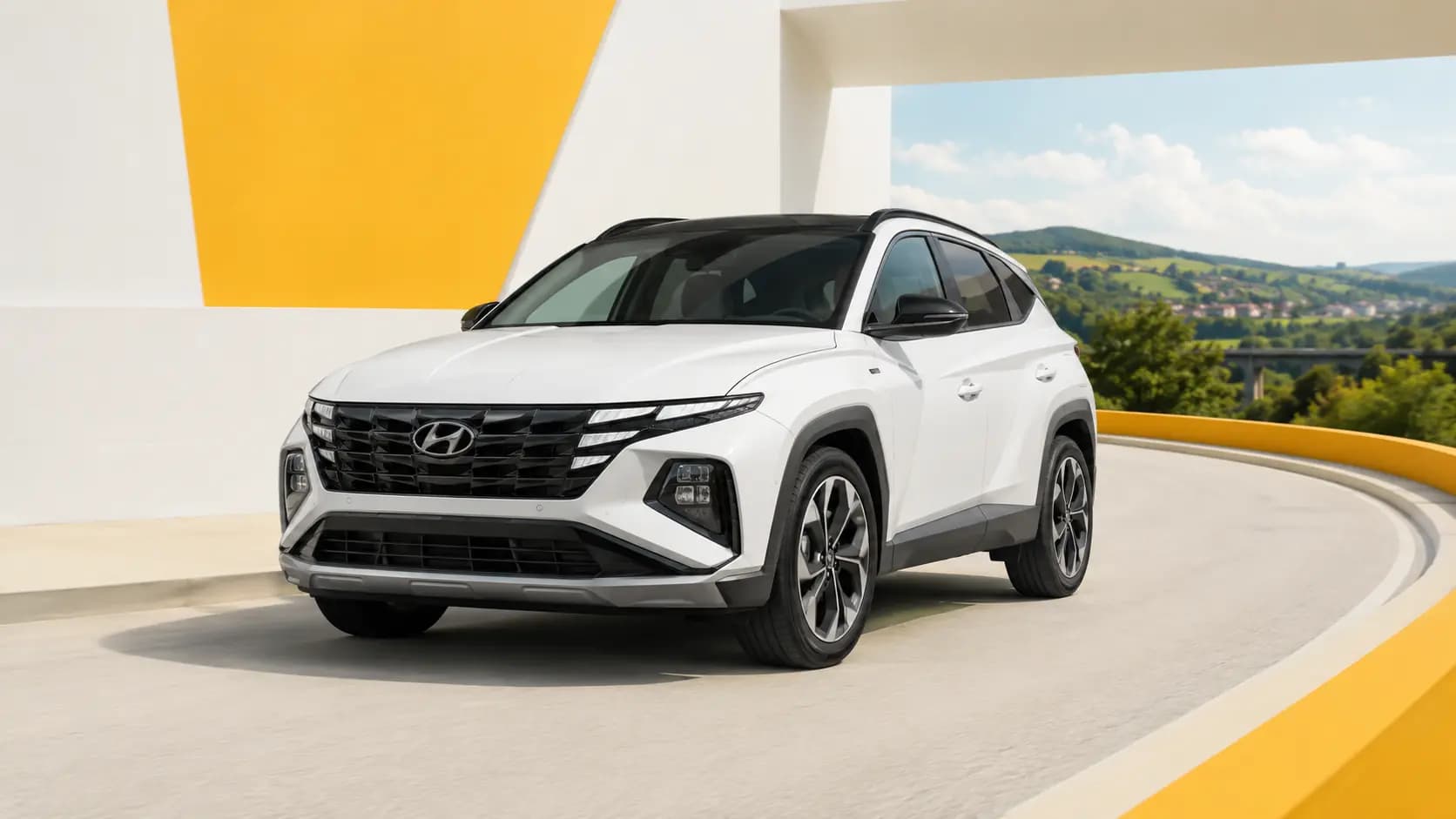
Modern Hyundai driving through Luxembourg countryside
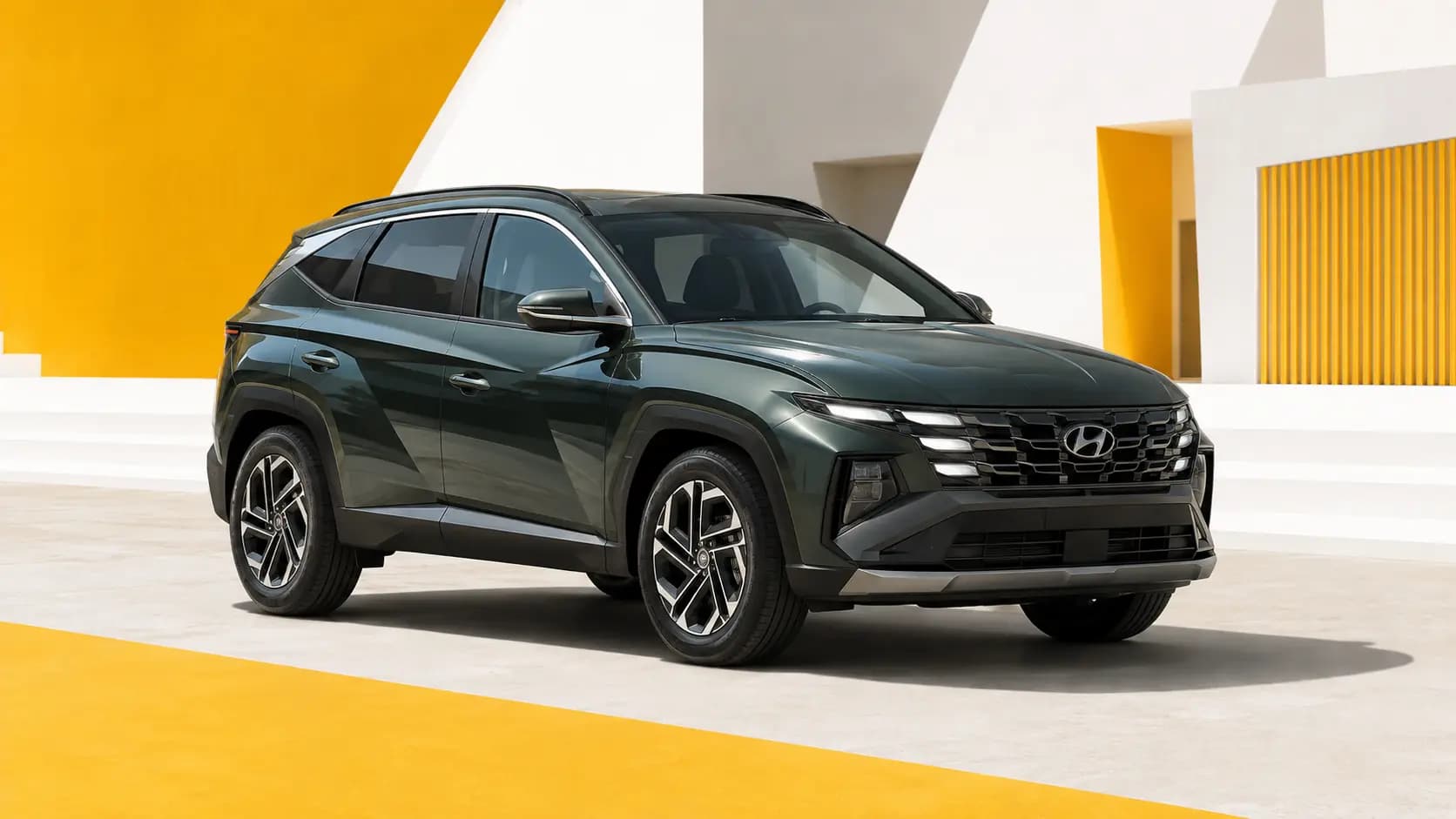
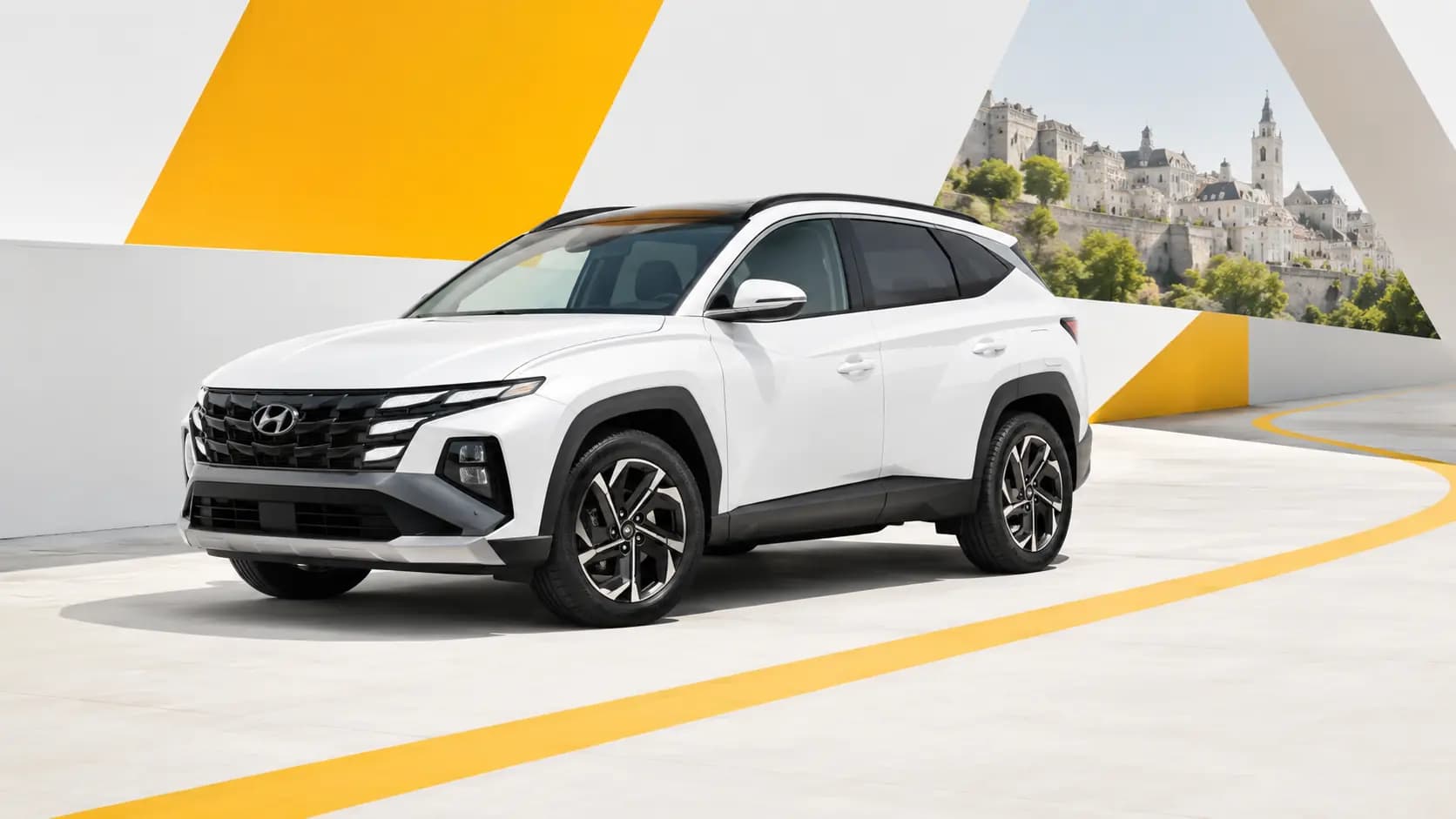
Hyundai TUCSON parked beside contemporary architecture
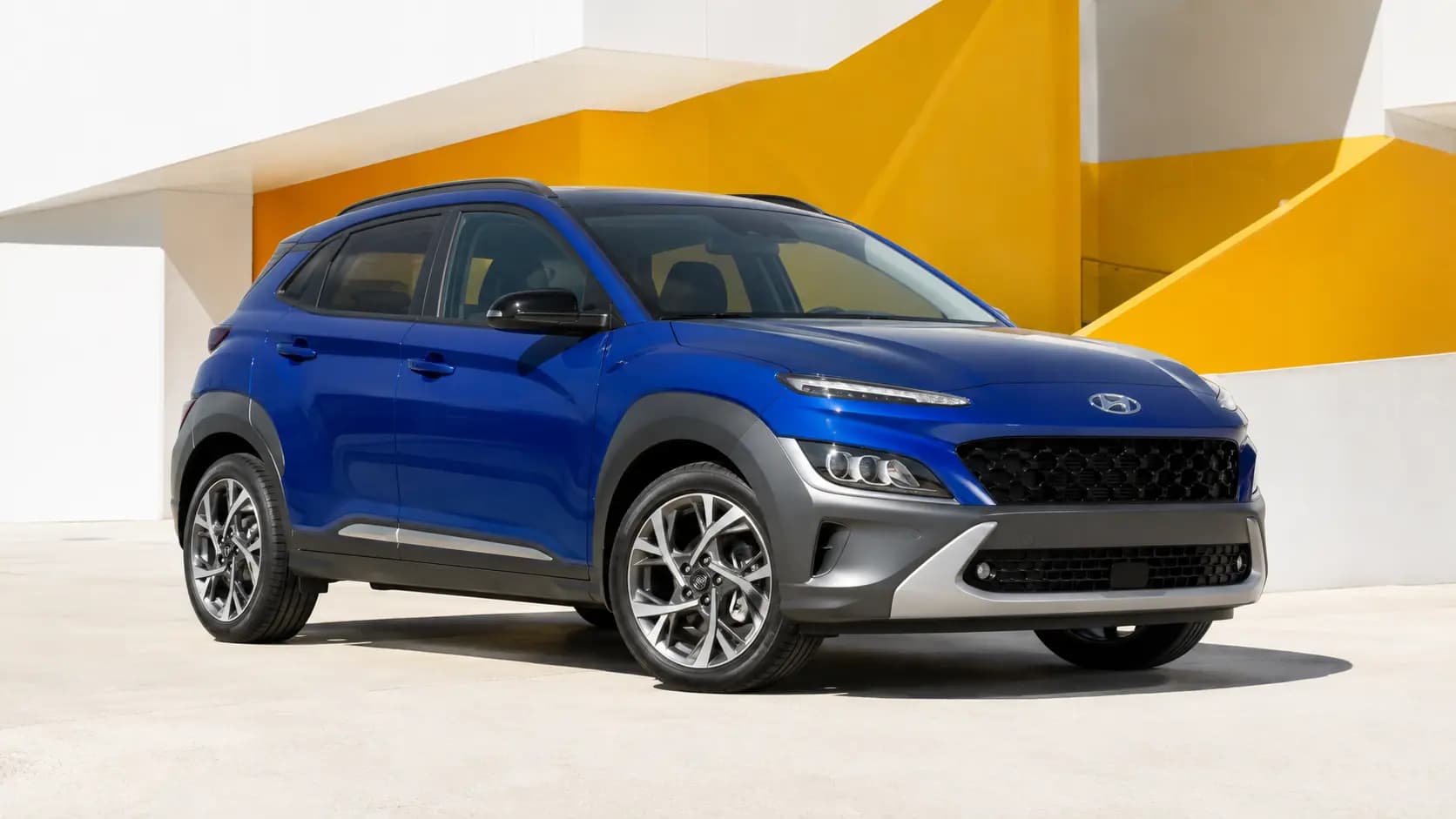
Hyundai KONA in a Luxembourg urban setting

What is Hyundai known for?

Hyundai is known for a broad mainstream range, rapid design development and an unusually wide choice of petrol, diesel, hybrid, plug-in-hybrid, battery-electric and hydrogen fuel-cell technology.

Latest listings

View all listings
Hyundai i10 Comfort (2025) - Photo 1

15

Hyundai i10Comfort

€15,600 TVA récup.

  • 06-2025
  • Petrol
Hyundai i20 Trend (2026) - Photo 2

15

Hyundai i20Trend

€22,800 TVA récup.

  • 06-2026
  • Petrol
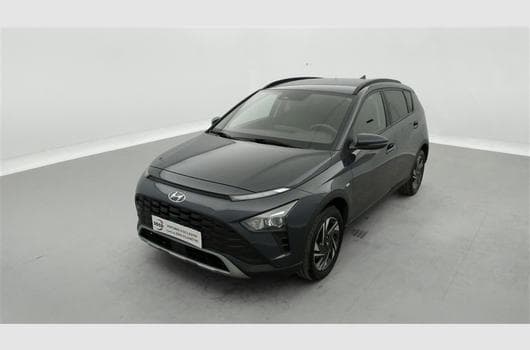
Hyundai i20 Pure (2025) - Photo 6

15

Hyundai i20Pure

€19,440 TVA récup.

  • 06-2025
  • Petrol
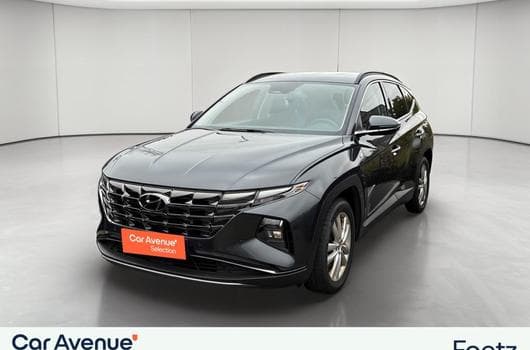
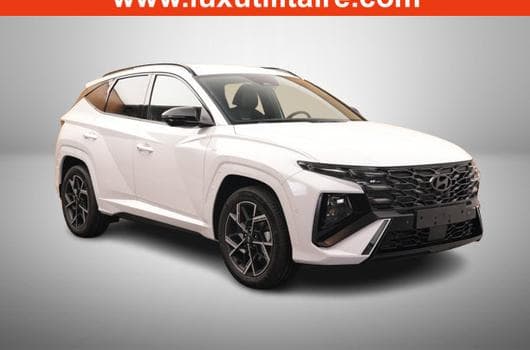
Hyundai Tucson Standard (2026) - Photo 7

15

Hyundai TucsonStandard

€38,880 TVA récup.

  • 06-2026
  • Hybrid
Hyundai i20 Trend (2026) - Photo 8

15

Hyundai i20Trend

€22,800 TVA récup.

  • 06-2026
  • Petrol
Hyundai i20 N-Line (2025) - Photo 9

15

Hyundai i20N-Line

€17,820 TVA récup.

  • 06-2025
  • Petrol
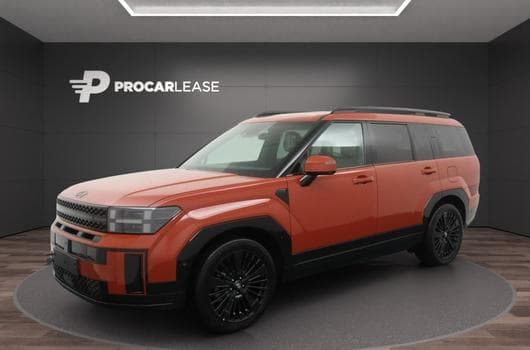
Hyundai Santa Fe Black Line (2026) - Photo 10

15

Hyundai Santa FeBlack Line

€58,780 TVA récup.

  • 06-2026
  • Hybrid
Hyundai Kona Standard (2026) - Photo 11

15

Hyundai KonaStandard

€34,740 TVA récup.

  • 06-2026
  • Hybrid
Hyundai Kona Standard (2026) - Photo 12

15

Hyundai KonaStandard

€34,740 TVA récup.

  • 06-2026
  • Hybrid

What is the history of Hyundai?

Hyundai Motor Company was incorporated in South Korea in 1967 and initially assembled the Ford Cortina. Its first independently developed model, the Pony, entered production in 1975 and exports began soon afterwards. Hyundai then expanded manufacturing, engineering and sales across Europe, North America and Asia. The company developed its first proprietary Alpha engine in 1991 and broadened its range with models including the Accent, Elantra, Sonata and Santa Fe. Hyundai acquired a major stake in Kia during the late-1990s Asian financial crisis, creating today’s wider Hyundai Motor Group while retaining separate brands. The original Ioniq arrived with hybrid, plug-in-hybrid and electric versions. Hyundai later turned IONIQ into an electric sub-brand and launched the IONIQ 5 in 2021 on E-GMP, followed by IONIQ 6 and IONIQ 9. Alongside battery EVs, Hyundai has continued fuel-cell development through models such as NEXO, so buyers must distinguish several very different electrified systems.

What should you check when buying a used Hyundai?

Identify the exact generation, engine, gearbox, drivetrain and trim before judging a used Hyundai. The checks for an i10 petrol manual, a TUCSON diesel DCT, a KONA Hybrid and an IONIQ 5 are materially different.

  • On EVs, test AC and DC charging, inspect the port and cables, review battery and software records and confirm any heat-pump equipment.
  • Inspect tyres, wheels, brakes, steering, suspension and underbody; high-output N cars and heavy EVs can make wear items expensive.
  • Test Bluelink, navigation, cameras, sensors, climate control, SmartSense functions and every key, then inspect paint and structural-repair evidence.
Show 3 more
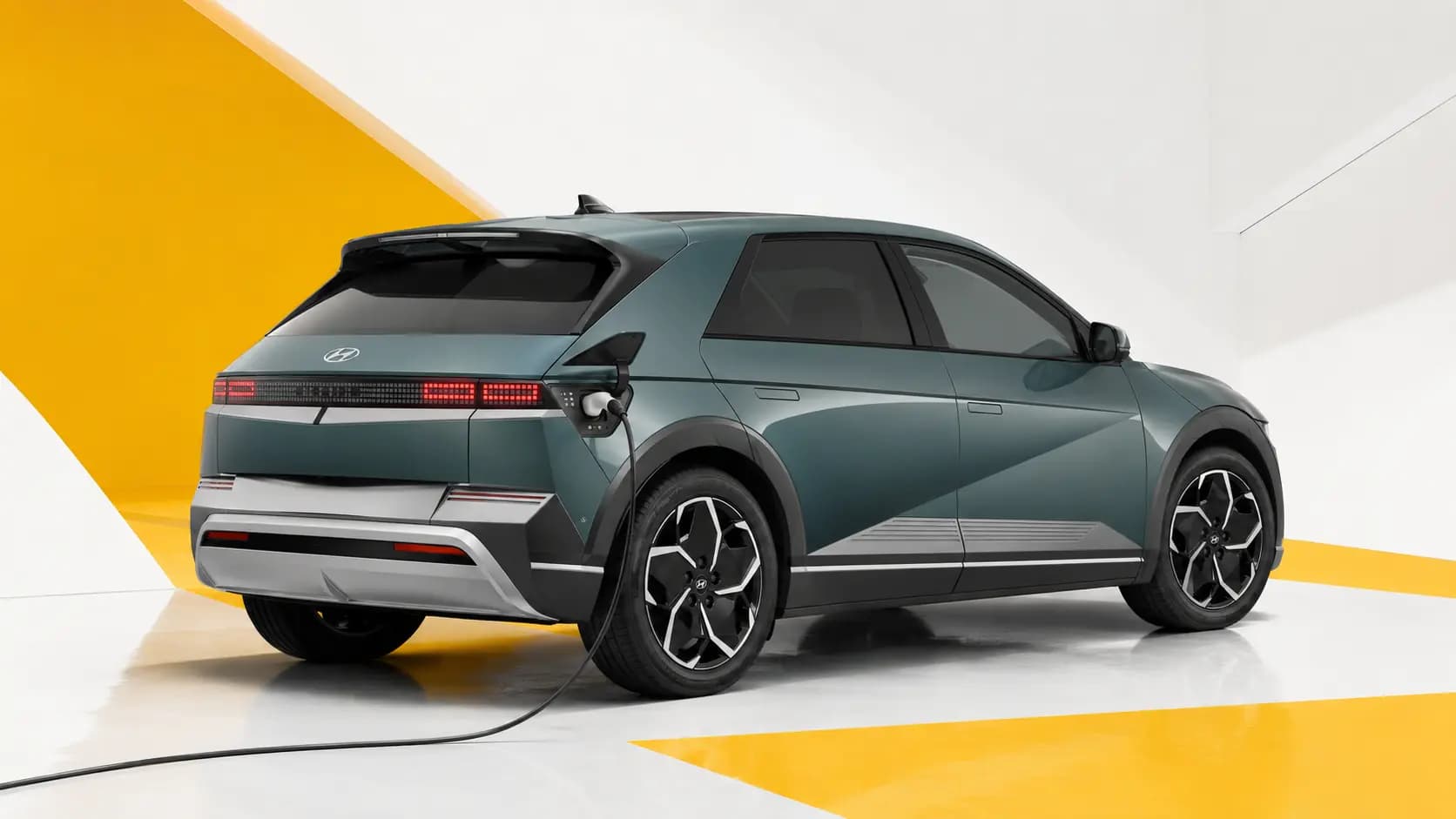
Hyundai IONIQ 5 charging at a modern station in Luxembourg

Which electric models does Hyundai offer?

Hyundai’s battery-electric range includes the compact INSTER and KONA Electric, the IONIQ 5 crossover, the streamlined IONIQ 6 and the larger IONIQ 9. IONIQ 5, 6 and 9 use the dedicated E-GMP platform, while KONA Electric belongs to a model family also offered with combustion and hybrid power. Used listings may also include the earlier Ioniq Electric. Hybrids and plug-in hybrids are different: a full hybrid does not need external charging, while a plug-in hybrid can travel a limited distance from mains electricity before relying more on petrol. NEXO is a hydrogen fuel-cell electric vehicle and requires suitable hydrogen access. Compare charging or refuelling availability, battery size, heat pump, real routes and software history for the individual car.

Which Hyundai models should buyers compare?

Hyundai TUCSON

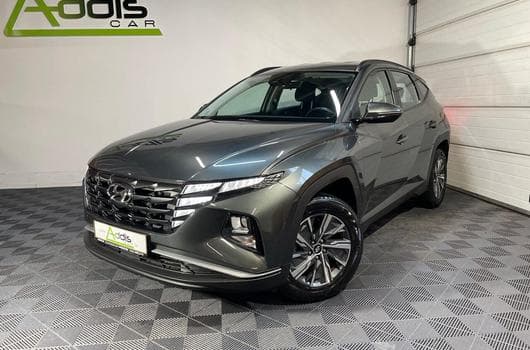
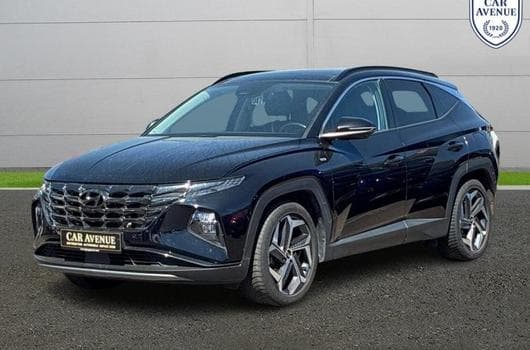
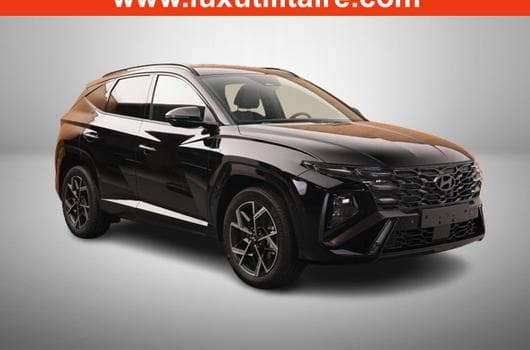
The TUCSON is a family SUV found with petrol, diesel, mild-hybrid, full-hybrid and plug-in-hybrid powertrains across recent generations. Compare the exact drivetrain, boot packaging and towing requirements rather than treating every TUCSON as equivalent.

View Hyundai TUCSON listings

Hyundai KONA

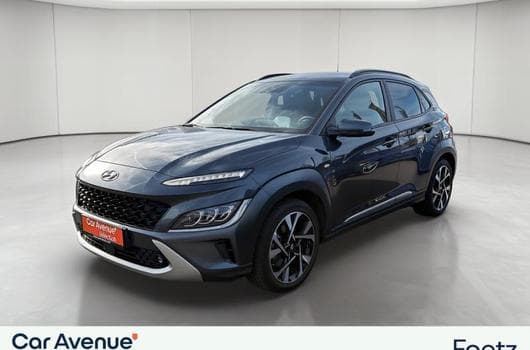
The KONA is a compact SUV offered with petrol, full-hybrid and battery-electric power. It suits urban and mixed driving, but KONA Electric buyers must compare battery version, charging equipment and winter range with the non-plug-in Hybrid.

View Hyundai KONA listings

Hyundai IONIQ 5

The IONIQ 5 is a spacious E-GMP electric crossover with rear- or all-wheel drive and rapid compatible DC charging. Standard versions prioritise comfort and range, while the IONIQ 5 N brings much higher performance and running costs.

View Hyundai IONIQ 5 listings

Overview of Hyundai models by category

CategoryModelBody typeEngine typeDisplacementPowerCurb weight
Small carsHyundai i10HatchbackPetrol1.0–1.2 L63–90 hp996–1,099 kg
Small carsHyundai i20HatchbackPetrol, Mild Hybrid1.0 L100 hp1,088–1,190 kg
SUVsHyundai KONACompact SUVPetrol, Full Hybrid, Electric1.0–1.6 L; Not applicable for EV100–218 hp1,295–1,773 kg
Hyundai family car travelling on a scenic Luxembourg road

Is buying a used Hyundai worth it?

A used Hyundai can make sense for buyers who want broad model choice and several routes into electrification. The i10 and i20 are compact, KONA and TUCSON cover popular SUV needs, SANTA FE adds space, and the IONIQ range provides dedicated EV design and charging technology. Value depends on the exact car. Confirm service history, gearbox, equipment, warranty, software and repair record, then price insurance, tyres, maintenance and charging or fuel. A well-documented powertrain matched to the buyer’s journeys is more important than choosing the highest trim or largest battery.

What are good alternatives to Hyundai?

Kia, Toyota and Volkswagen overlap with Hyundai across small cars, SUVs and electrified models but emphasise different technologies and ownership experiences.

Kia

Kia shares group platforms and some powertrains with Hyundai, making design, equipment, warranty conditions and individual model tuning the key differences.

Browse Kia cars in Luxembourg

Toyota

Toyota is especially relevant for buyers prioritising mature full-hybrid systems and a broad dealer-backed range over Hyundai’s wider mix of EV, PHEV and fuel-cell technology.

Browse Toyota cars in Luxembourg

Frequently asked questions about Hyundai cars

Which used Hyundai is best for different drivers?+

The i10 suits city use, the i20 adds everyday versatility and the KONA provides a compact SUV shape. TUCSON and SANTA FE serve progressively larger family needs. EV buyers should compare KONA Electric with the roomier, faster-charging IONIQ 5 and the lower IONIQ 6.

What should you check before buying a used Hyundai?+

Verify service, mileage, recall status, exact engine, gearbox and equipment. Test cold starting, transmission, brakes, steering, SmartSense and Bluelink. For hybrids and EVs, also test charging where applicable and review battery, cooling and software records.

Is a used Hyundai expensive to maintain?+

Routine costs are often mainstream, but they vary by model and technology. N performance brakes and tyres, large SUV components, dual-clutch repairs and damaged high-voltage hardware can be costly. Obtain insurance and service estimates for the exact version.

Should you choose Hyundai Hybrid, Plug-in Hybrid or Electric?+

Choose by charging access and journey pattern. A full hybrid works without a plug, a PHEV rewards frequent charging but retains a petrol engine, and an EV depends entirely on charging and usable range. Compare luggage space, winter conditions and total ownership cost.

Why does E-GMP matter on IONIQ electric cars?+

E-GMP is Hyundai Motor Group’s dedicated EV platform used by IONIQ 5, 6 and 9. Its 800-volt architecture can support very rapid DC charging at compatible stations, but actual speed depends on the model, charger, battery temperature and state of charge. Test charging and confirm software on a used car.