What is Kia known for?
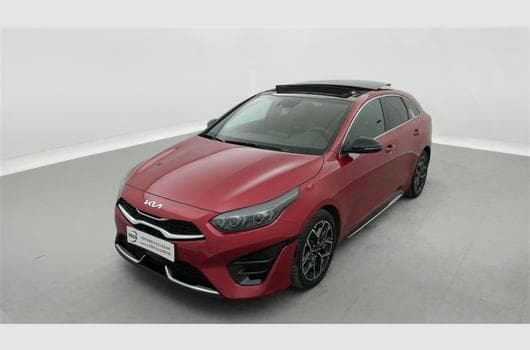
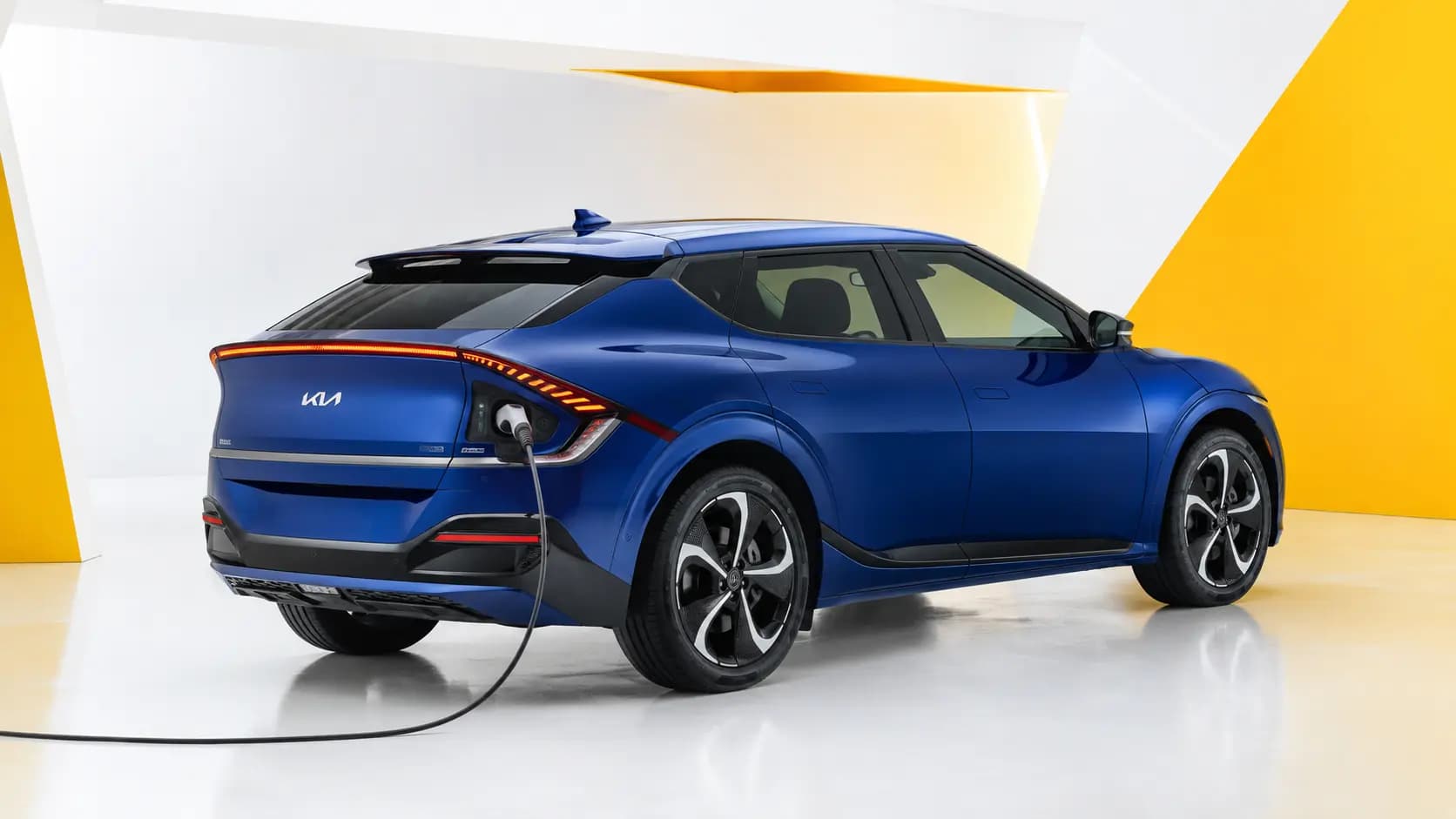
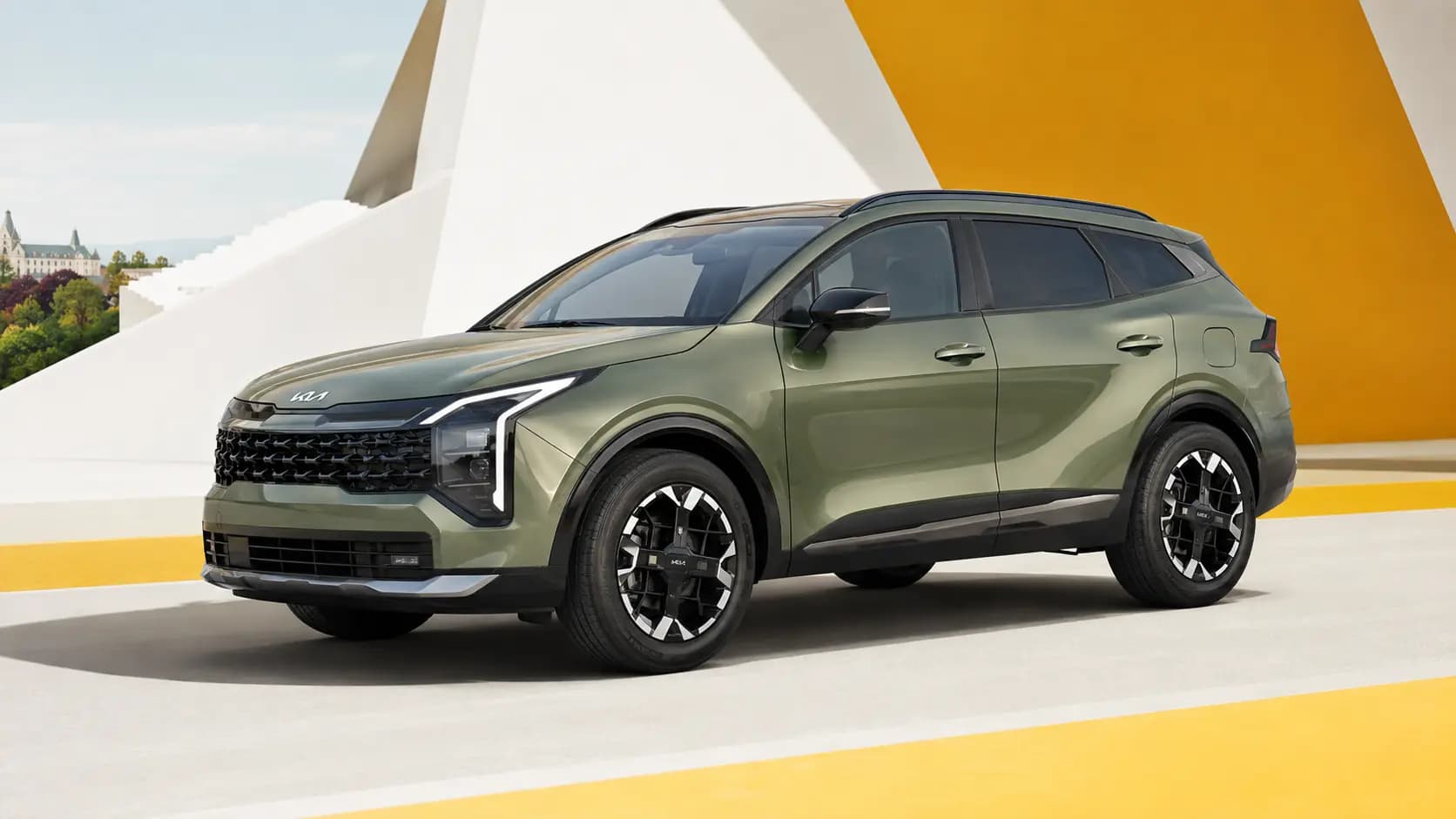
Kia is known for moving from value-led compact cars to a broad European range with distinctive design, long warranty coverage from new and several forms of electrification.
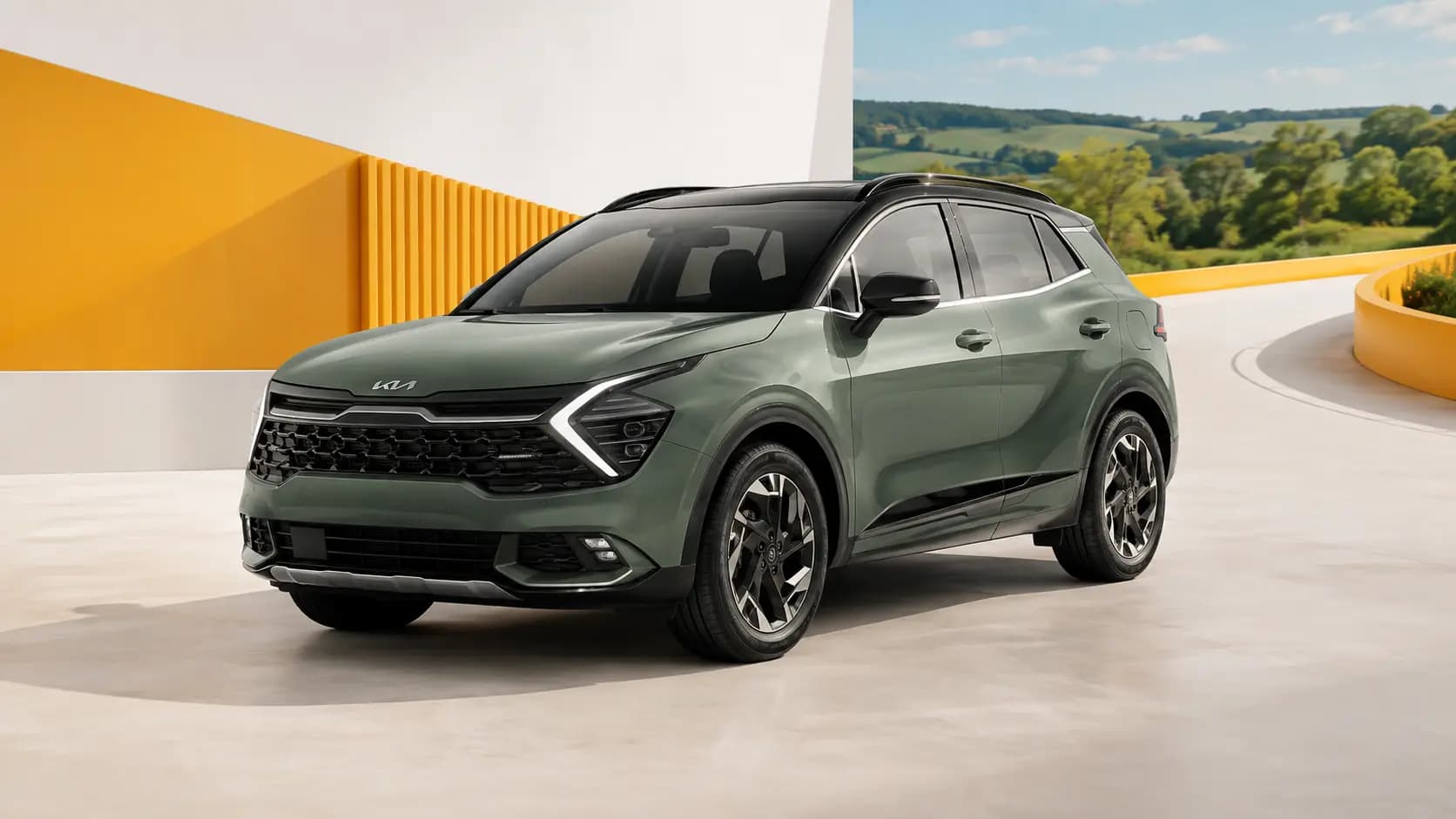
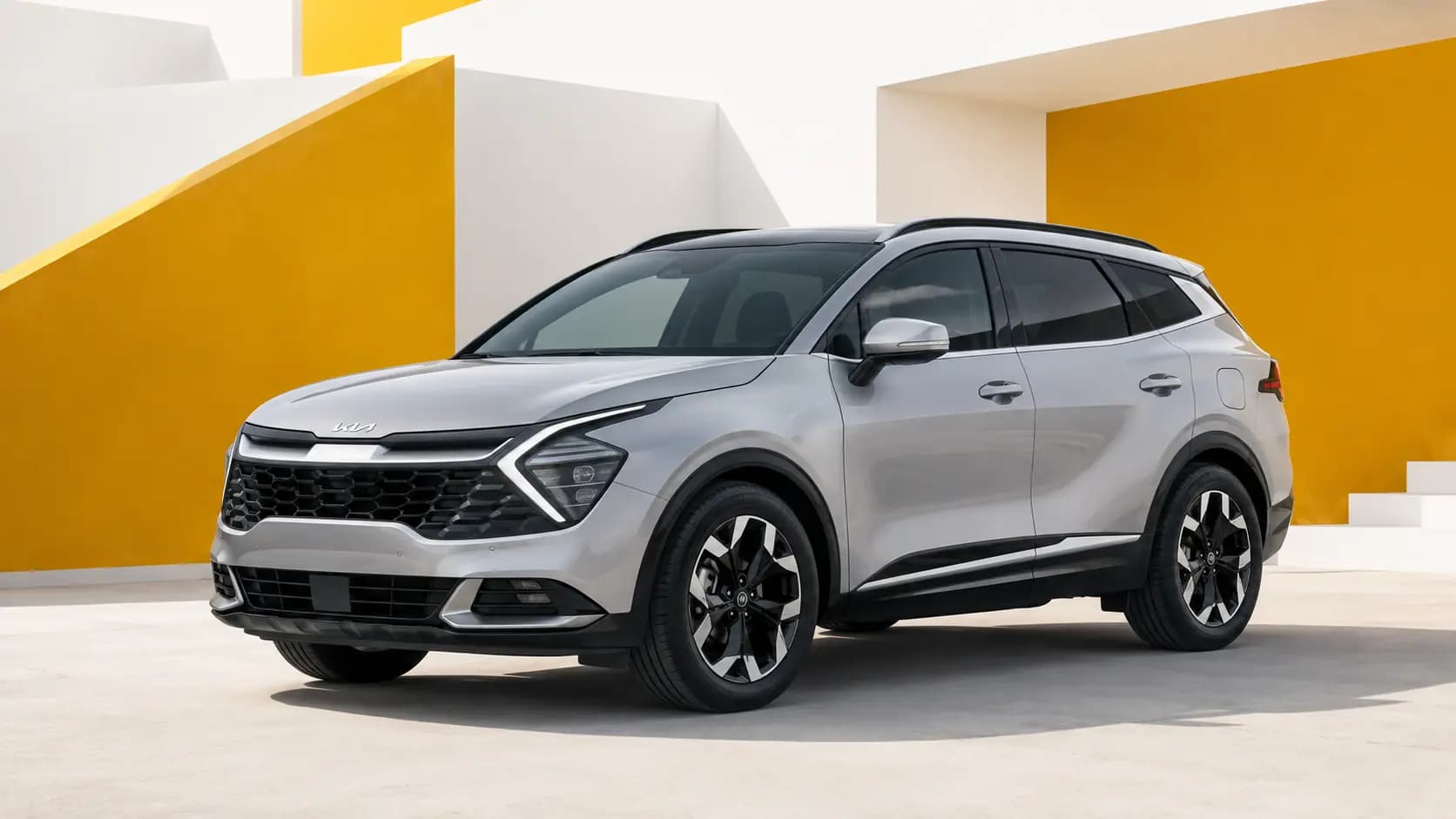
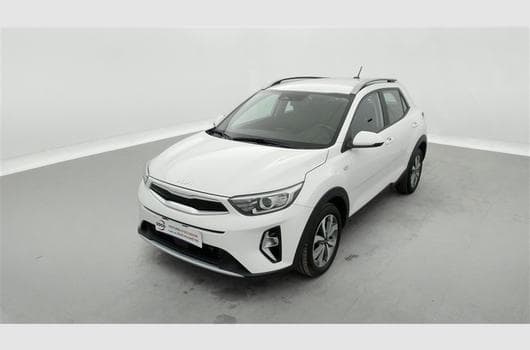
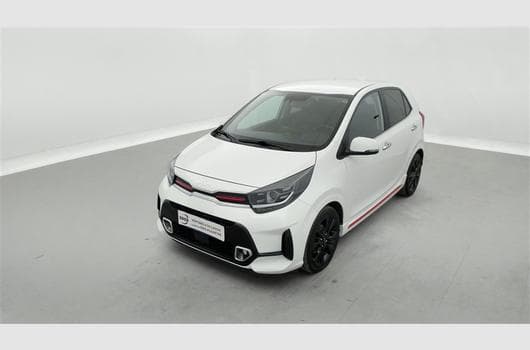
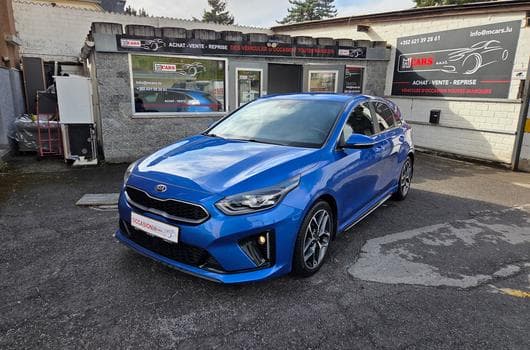
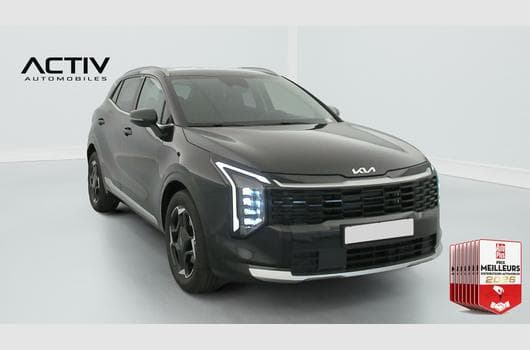
- The Picanto, Ceed and Sportage established Kia in high-volume European city-car, family-car and SUV segments.
- Hybrid and plug-in-hybrid versions of the Niro, Sportage and Sorento sit alongside conventional petrol and diesel cars in the used market.
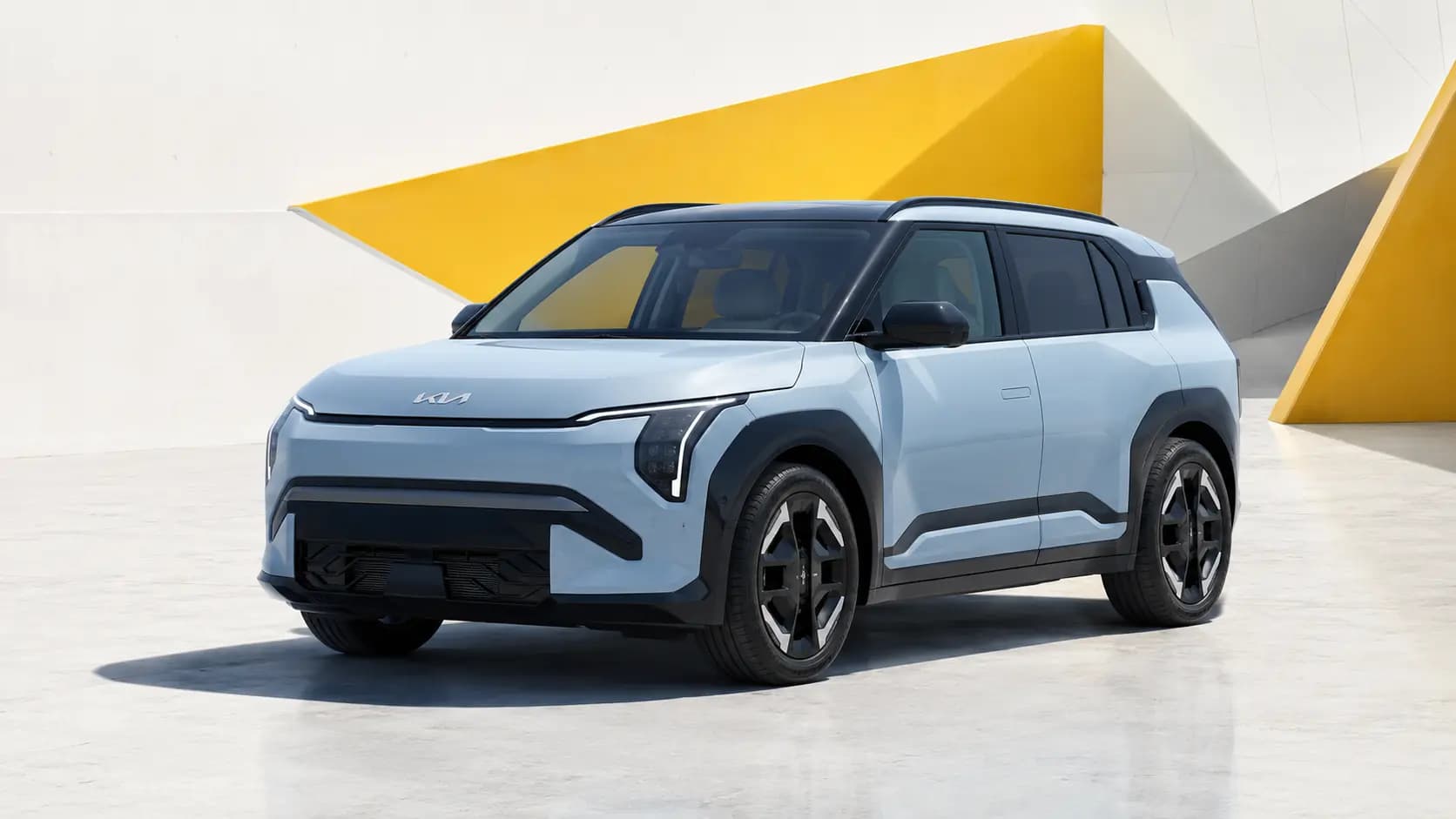
- The EV3, EV6 and EV9 are battery-electric vehicles; the EV6 and EV9 use the dedicated E-GMP electric platform.
- Kia offers a seven-year or 150,000 km new-car warranty in much of Europe, but a used buyer must confirm the remaining cover and its conditions for the individual vehicle.
- Equipment varies sharply by trim and model year, so driver-assistance, heat-pump, charging and connectivity features should be checked on the actual car.
What is the history of Kia?
Kia was founded in Korea in 1944 and began by making bicycle components. It moved into motorcycles, commercial vehicles and passenger cars, then expanded its exports during the later twentieth century. Hyundai Motor Company became a major shareholder after Kia entered financial difficulty during the Asian financial crisis in the late 1990s, while Kia retained its own brand and model range.
European growth accelerated with models including the first-generation Sportage and, later, the Ceed family developed for Europe. Kia opened its Žilina plant in Slovakia in 2006, giving models such as the Ceed and Sportage a European production base.
The first-generation Niro brought hybrid, plug-in-hybrid and electric powertrains into one model family. Kia then introduced the EV6 in 2021 on the E-GMP dedicated electric platform, followed by the larger EV9 and compact EV3. Current and used Kia stock therefore covers very different eras, technologies and ownership needs.
What should you check when buying a used Kia?
Start with the exact model, generation, engine, transmission and trim, because Kia specifications and equipment change substantially across the range. Good records are also important when assessing whether any transferable warranty remains.
- Confirm the VIN, registration and service invoices, then ask a Kia retailer about outstanding recalls or service campaigns and any remaining manufacturer warranty.
- On petrol or diesel cars, inspect from cold for warning lights, smoke, leaks, uneven running and evidence that oil, coolant and filters were changed at the specified intervals.
- Test manual, dual-clutch and conventional automatic transmissions in slow traffic and after warm-up; investigate hesitation, judder or warning messages rather than assuming they are normal.
- On hybrids and plug-in hybrids, verify smooth transitions between engine and electric drive, test charging on PHEV versions and review hybrid-system records.
- On EVs, test AC and DC charging where possible, inspect the port and cables, check battery and software records, and compare displayed range only under similar conditions.
- Inspect tyres, brakes, suspension, steering and wheel alignment; heavier EVs and large-wheel trims can make tyre condition particularly important.
- Test Kia Connect, navigation, cameras, sensors, climate control, heated equipment and driver-assistance features, noting that subscriptions and compatibility can change.
- Check paint, panel gaps, the underbody and luggage area for accident or load damage, and document any previous structural repair.
Show 3 moreShow less