What is Jaguar known for?
Jaguar is known for elegant sporting saloons, grand tourers and performance SUVs with aluminium-intensive engineering. Its identity is reinforced by Ingenium, AWD and Adaptive Dynamics, although equipment and system design vary by model, generation and trim.
- The marque’s documented roots reach back to 1922 in Britain.
- Ingenium, AWD and Adaptive Dynamics is a defining reference, but its function varies by model and year.
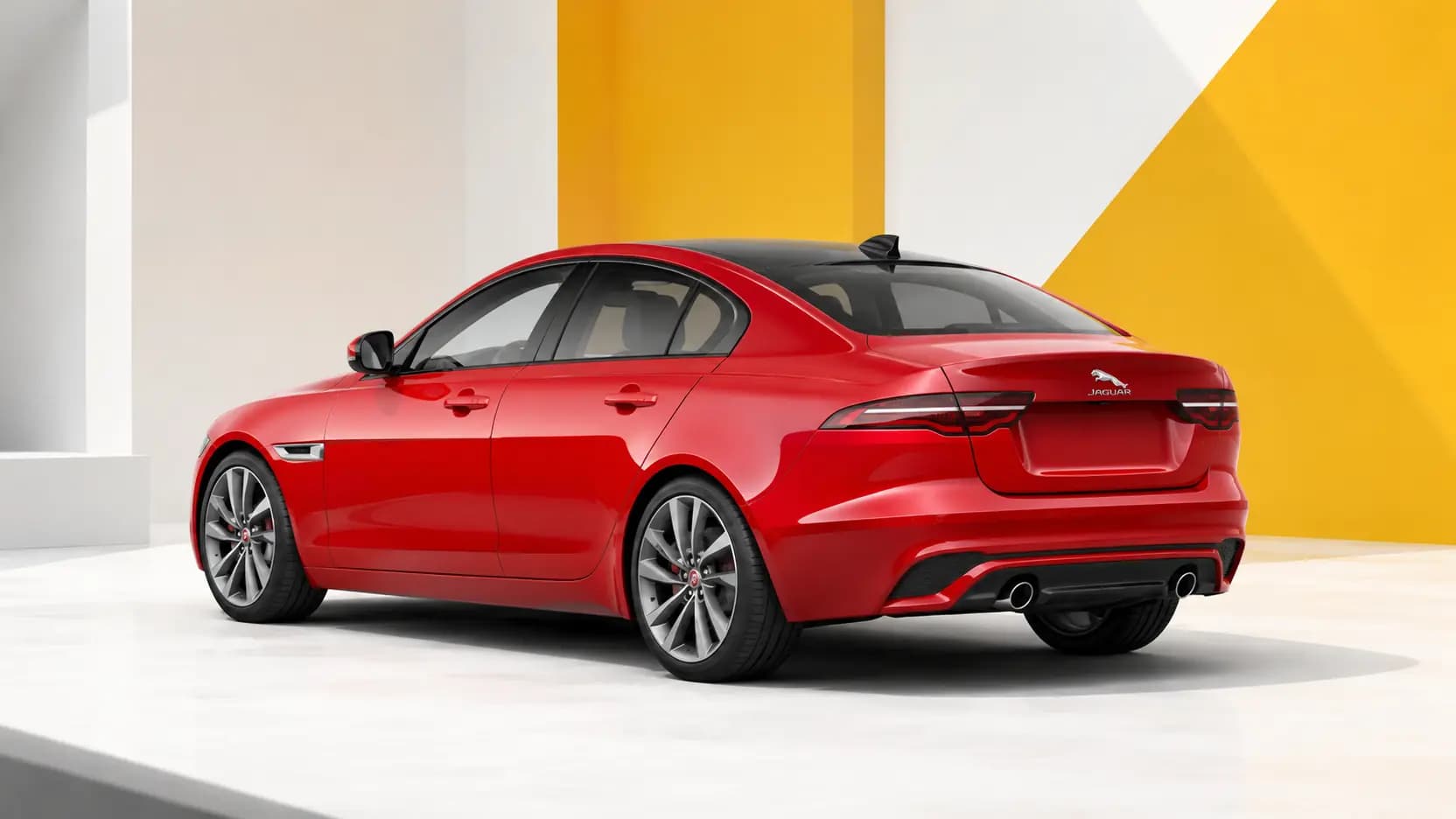
- The used range covers XE, XF, F-PACE and other distinct formats.
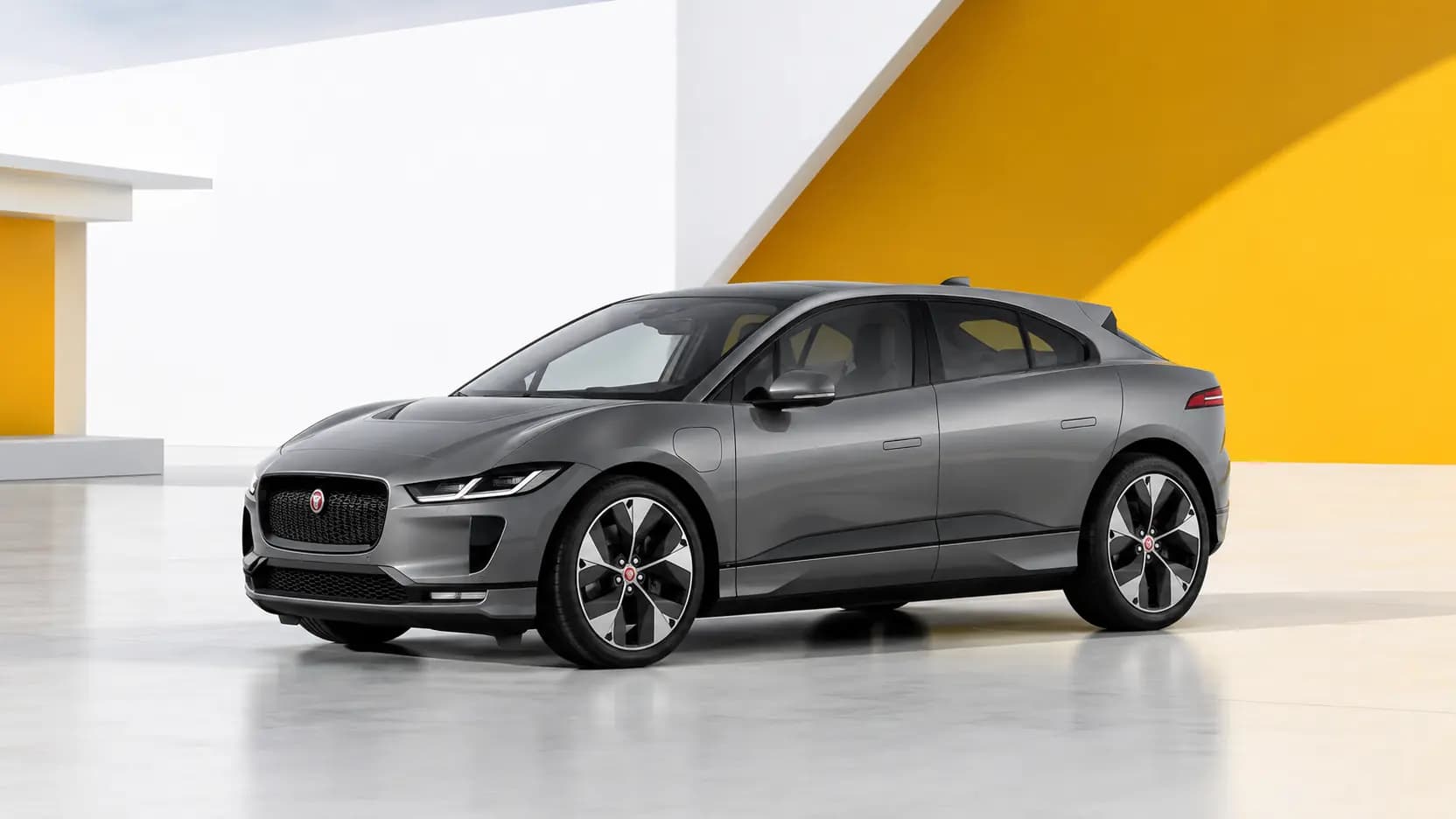
- Powertrains span Petrol, Diesel, Mild Hybrid, Plug-in Hybrid, Electric across the models represented here.
- Equipment, wheel size and driver-assistance content must be checked on the individual car.
What is the history of Jaguar?
William Lyons and William Walmsley founded the Swallow Sidecar Company in 1922; the Jaguar name appeared on cars in 1935 and became the company name in 1945.
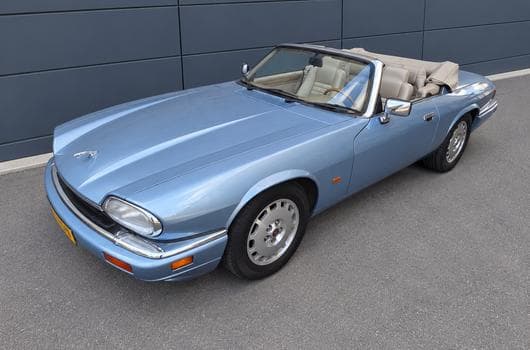
The XK120, Le Mans-winning C- and D-types, E-type and XJ established a blend of performance and long-distance elegance. Jaguar later joined Land Rover under Tata Motors ownership.
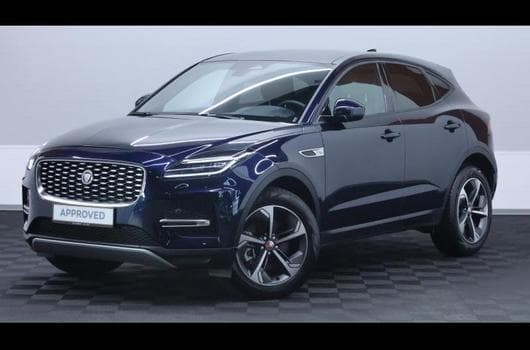
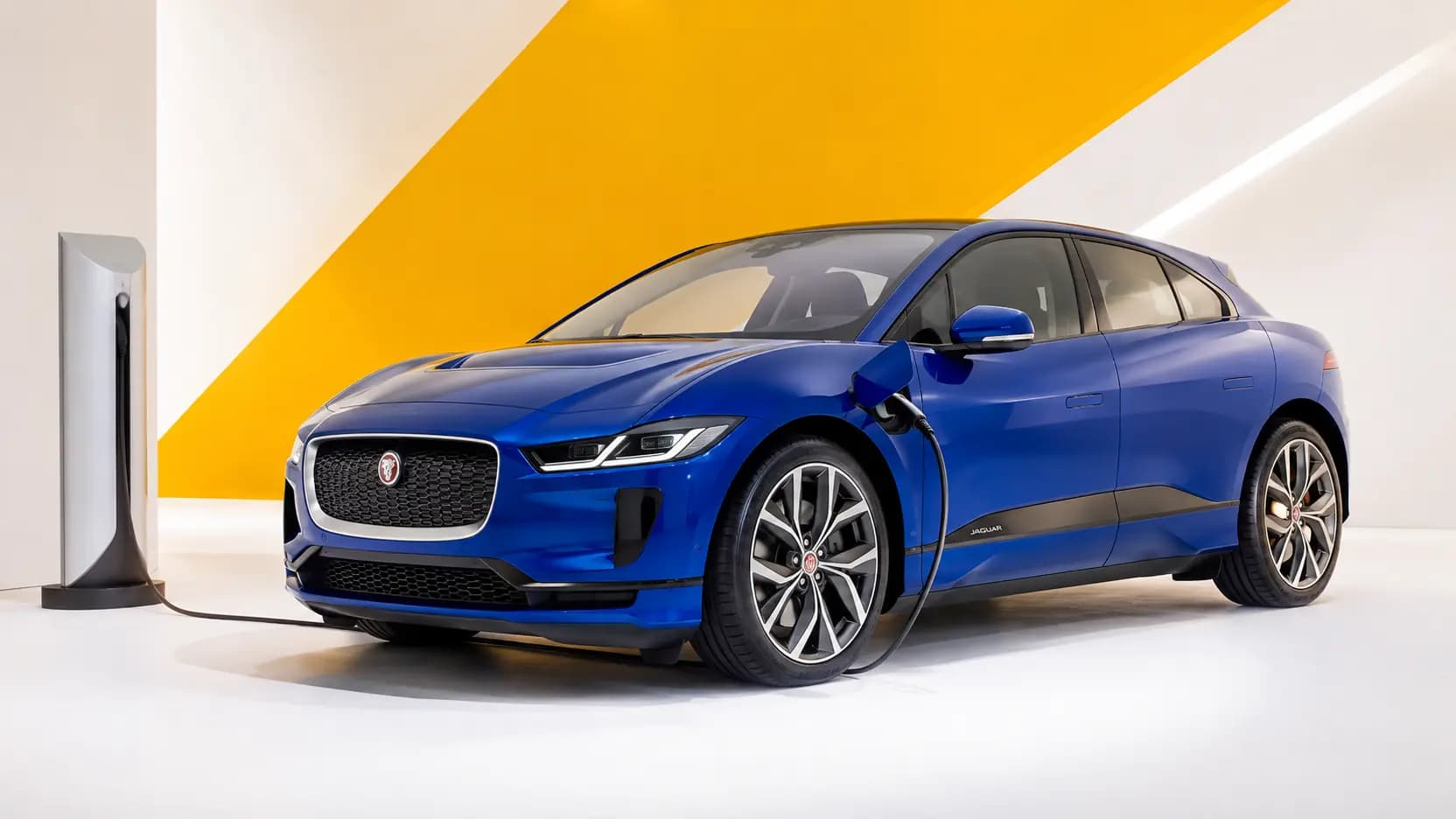
XE, XF, F-PACE, E-PACE, F-TYPE and the battery-electric I-PACE form the core of today’s used selection. Jaguar ended production of several of these lines while preparing a new electric product direction, making model-year context especially important.
What should you check when buying a used Jaguar?
A used Jaguar should be judged by its exact generation, engine or electric drivetrain, transmission and equipment. A complete invoice-backed history, a long road test and an independent inspection are more useful than assumptions based on the badge.
- Confirm model year, engine output, driven wheels and suspension specification; similar-looking Jaguars can have materially different hardware.
- Review invoices against the precise Ingenium or V6/V8 service schedule and investigate gaps in oil, coolant, belt or emissions-system maintenance.
- Start from cold and check for warning lights, leaks, smoke, abnormal timing or supercharger noise and stable temperature.
- Test the automatic gearbox through reverse, slow manoeuvres and full warm-up, then listen for differential or transfer-case noise on AWD cars.
- Inspect suspension arms, adaptive dampers or air suspension where fitted, plus brakes, wheels and inner tyre shoulders.
- Test InControl, both screens where fitted, cameras, parking aids, powered seats, climate control, heated equipment and every key.
- Check aluminium body panels, paint and panel gaps carefully, and obtain documentation for structural or accident repairs.
- For I-PACE, test AC and DC charging, check recall and software completion, and request battery and thermal-management documentation.
Show 3 moreShow less