Mazda3
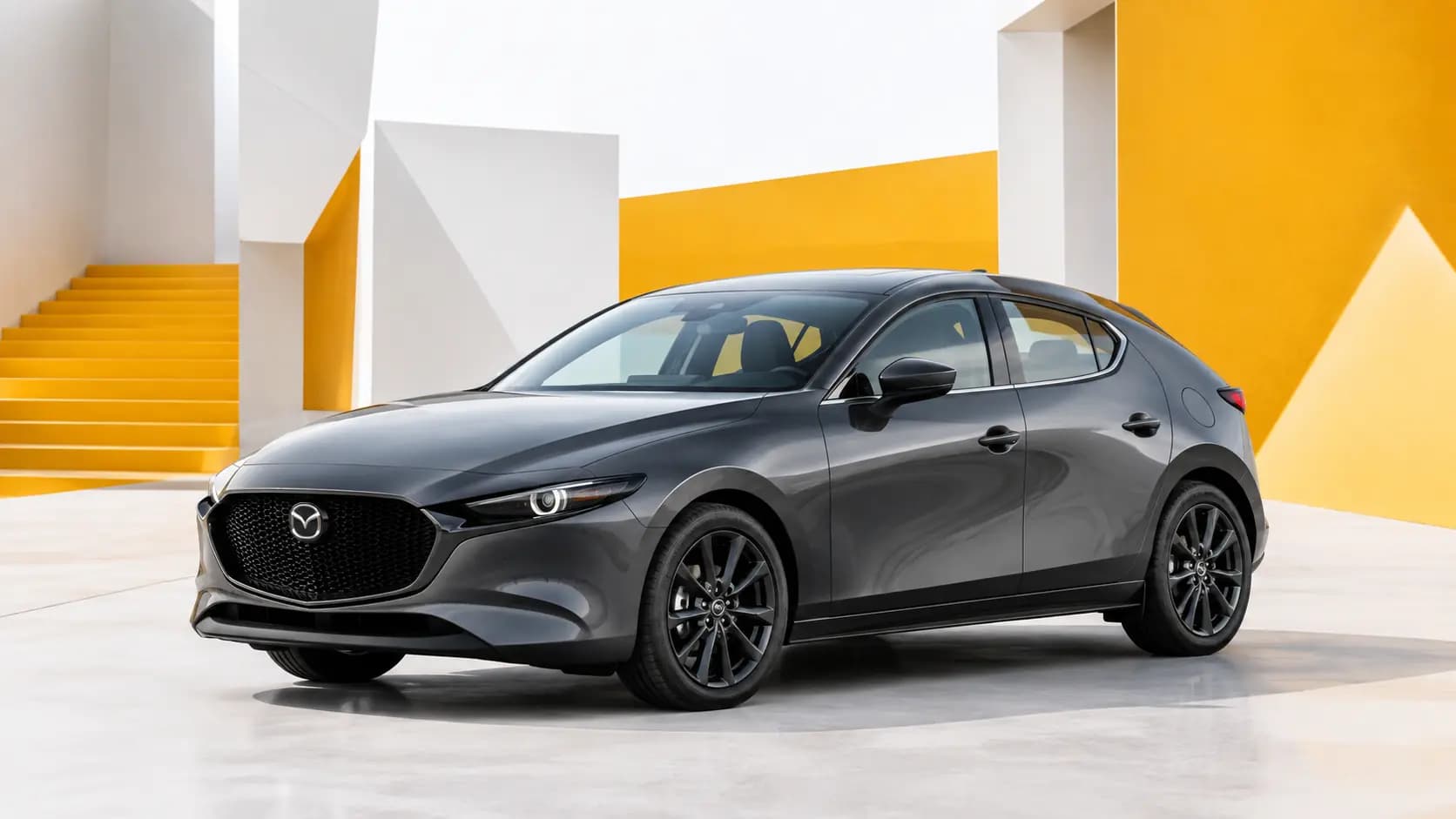
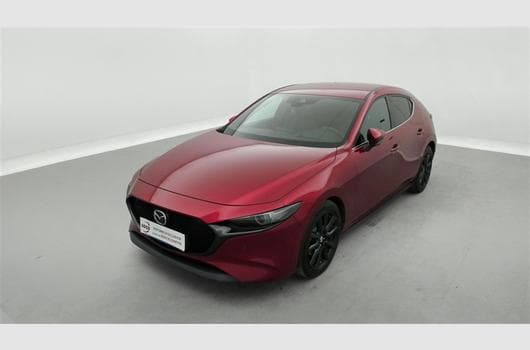
The Mazda3 is a hatchback or saloon with a carefully finished cabin and mild-hybrid petrol engines in recent European versions. Compare rear visibility, body style, engine and manual or automatic transmission.
View Mazda3 listingsMazda
Mazda combines driver-focused petrol cars, mild hybrids, SUVs, plug-in hybrids and electric models. Compare Mazda3, MX-5, CX-30, CX-5, CX-60 and Mazda6e, while keeping generations and powertrains distinct.
View listings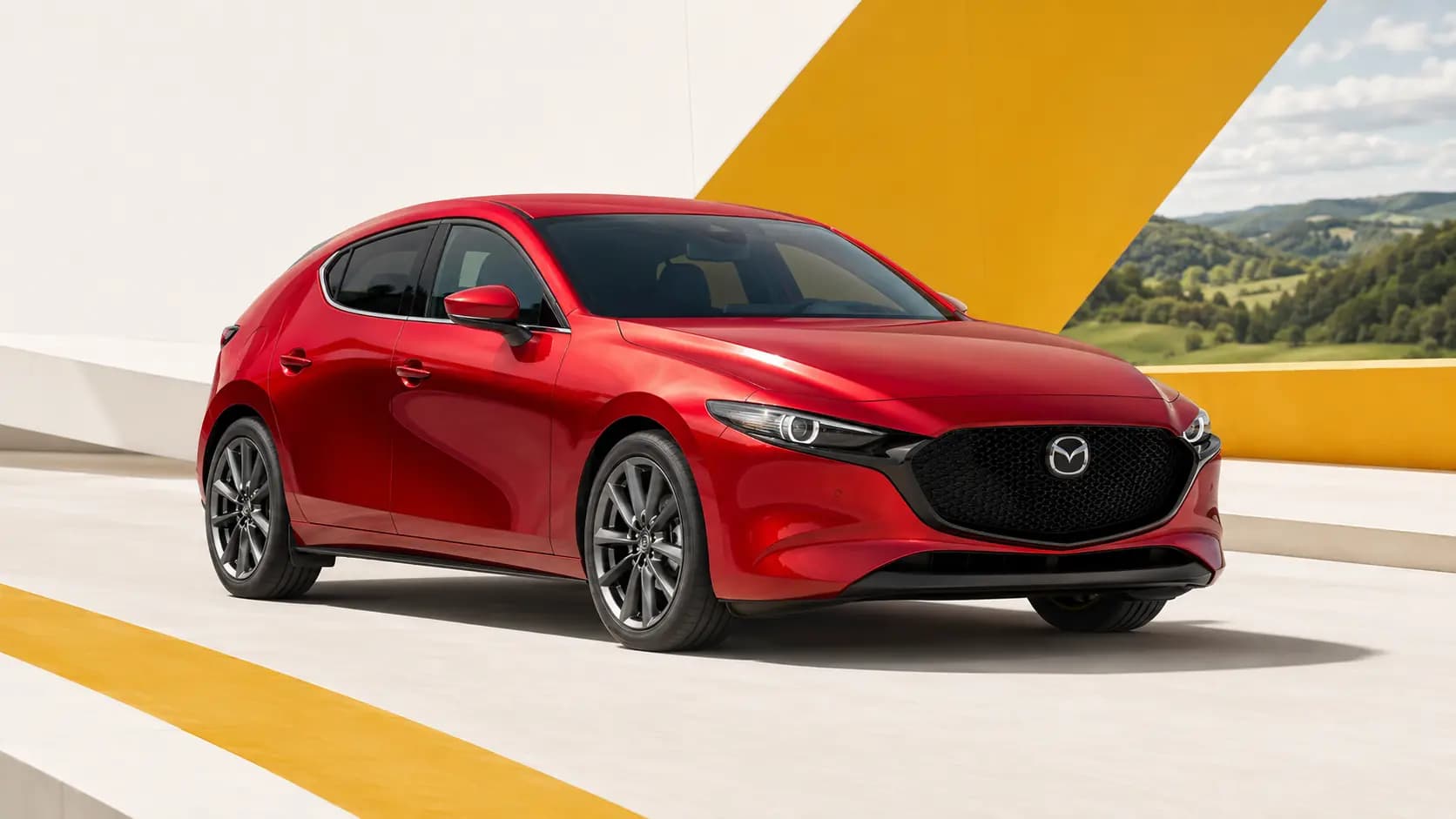
Mazda is known for compact, driver-focused engineering, Kodo design and a willingness to develop unusual powertrain solutions.
15

1
3
14
3
15

1

15
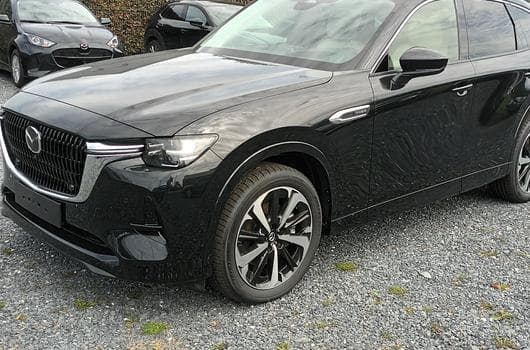
10
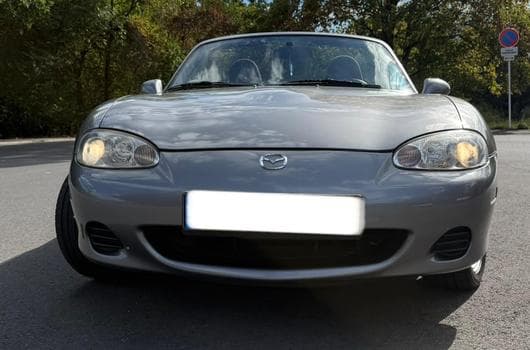
3
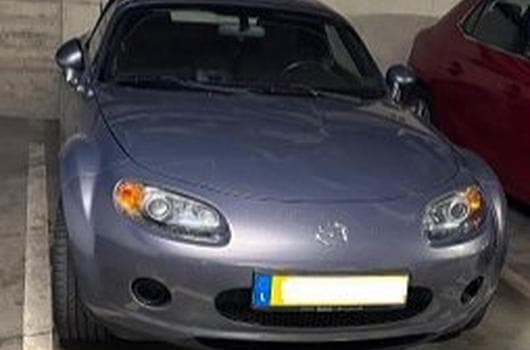
3
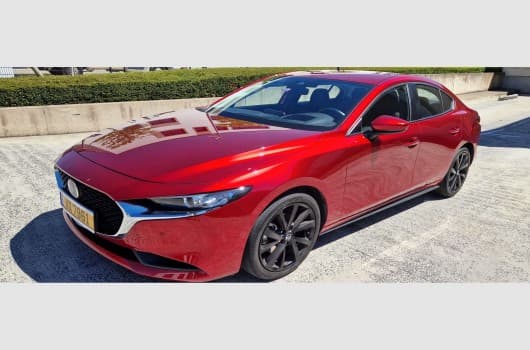
3
Mazda began in Hiroshima in 1920 as Toyo Cork Kogyo. It moved into machinery and produced the Mazda-Go three-wheeled truck in 1931. The R360 of 1960 was its first passenger car, and the Cosmo Sport of 1967 introduced Mazda’s production rotary engine. Rotary-powered RX models became central to the brand, and the 787B won Le Mans in 1991. The MX-5 arrived in 1989 and established a durable lightweight-roadster line. Ford held a significant stake for many years, while Mazda later entered a capital and business alliance with Toyota. The CX-5 launched the full SKYACTIV and Kodo-era package in 2012. Mazda’s first series-production EV was the MX-30, later joined by the MX-30 R-EV plug-in hybrid with a rotary range extender. The rear-wheel-drive Mazda6e now broadens the battery-electric offering, while CX-60 and CX-80 add plug-in-hybrid and diesel choices.
Check the exact generation, engine, gearbox and maintenance record. A petrol MX-5, diesel CX-5, CX-60 PHEV and Mazda6e require very different ownership checks.
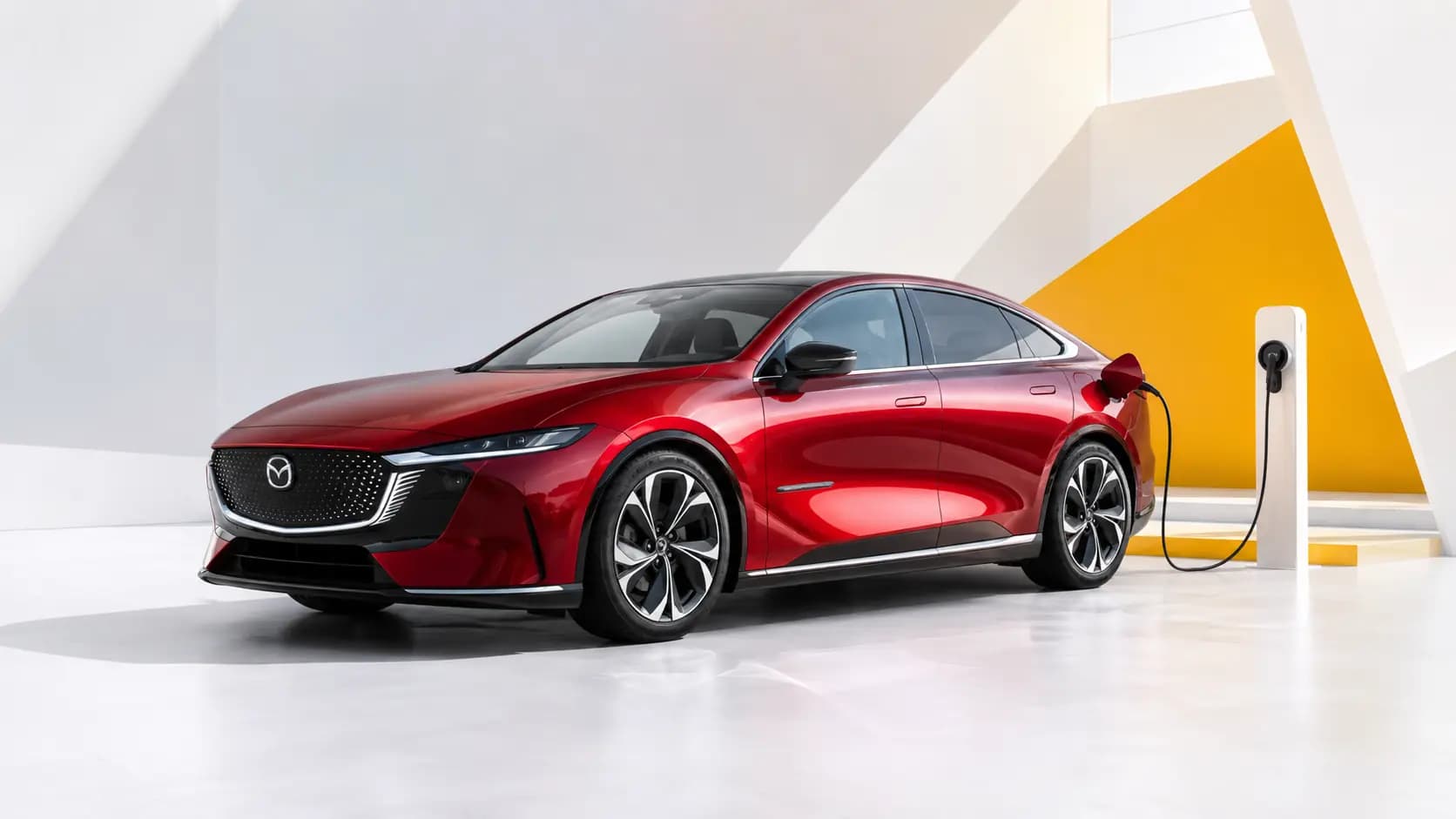
The Mazda3 is a hatchback or saloon with a carefully finished cabin and mild-hybrid petrol engines in recent European versions. Compare rear visibility, body style, engine and manual or automatic transmission.
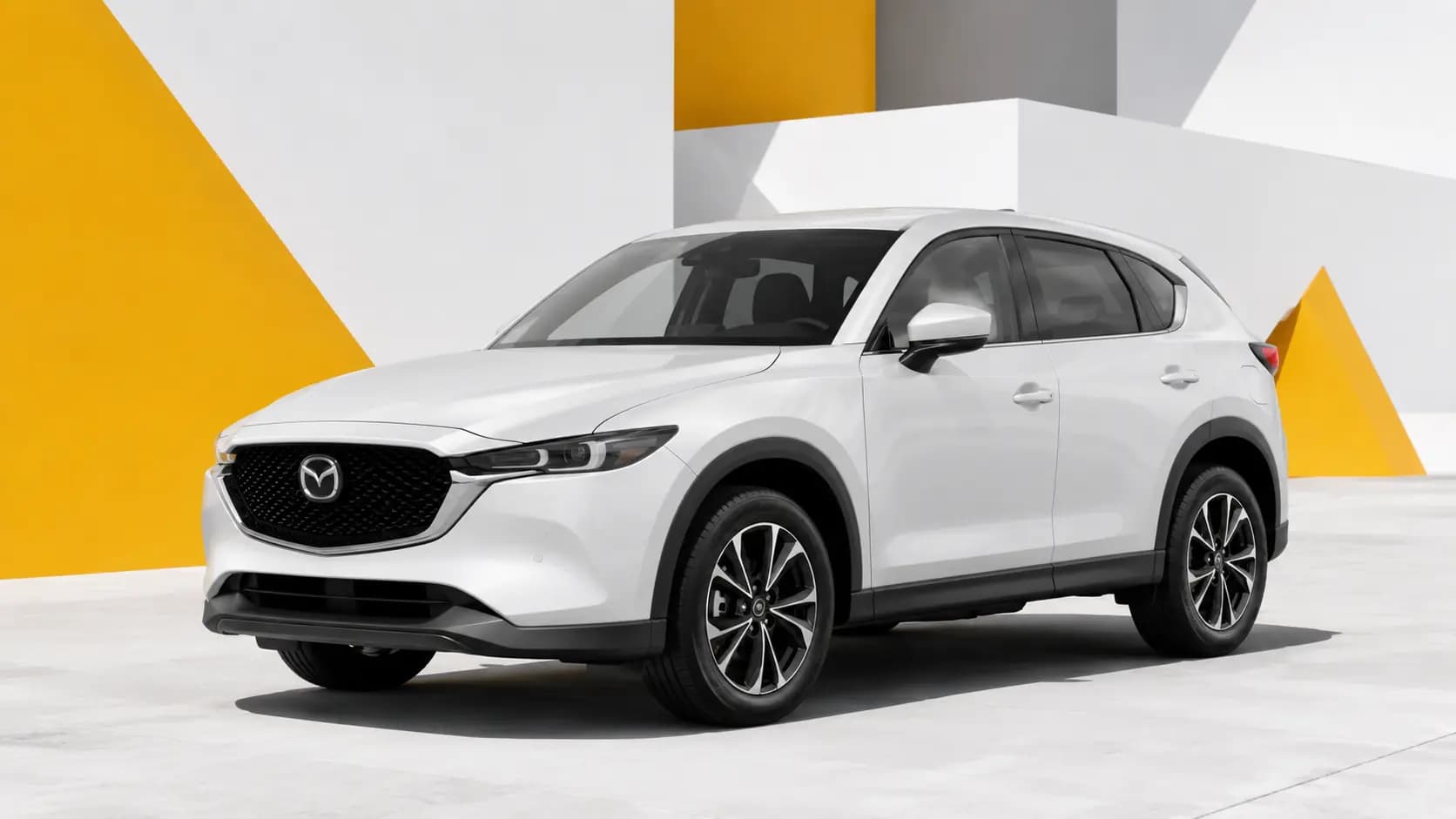
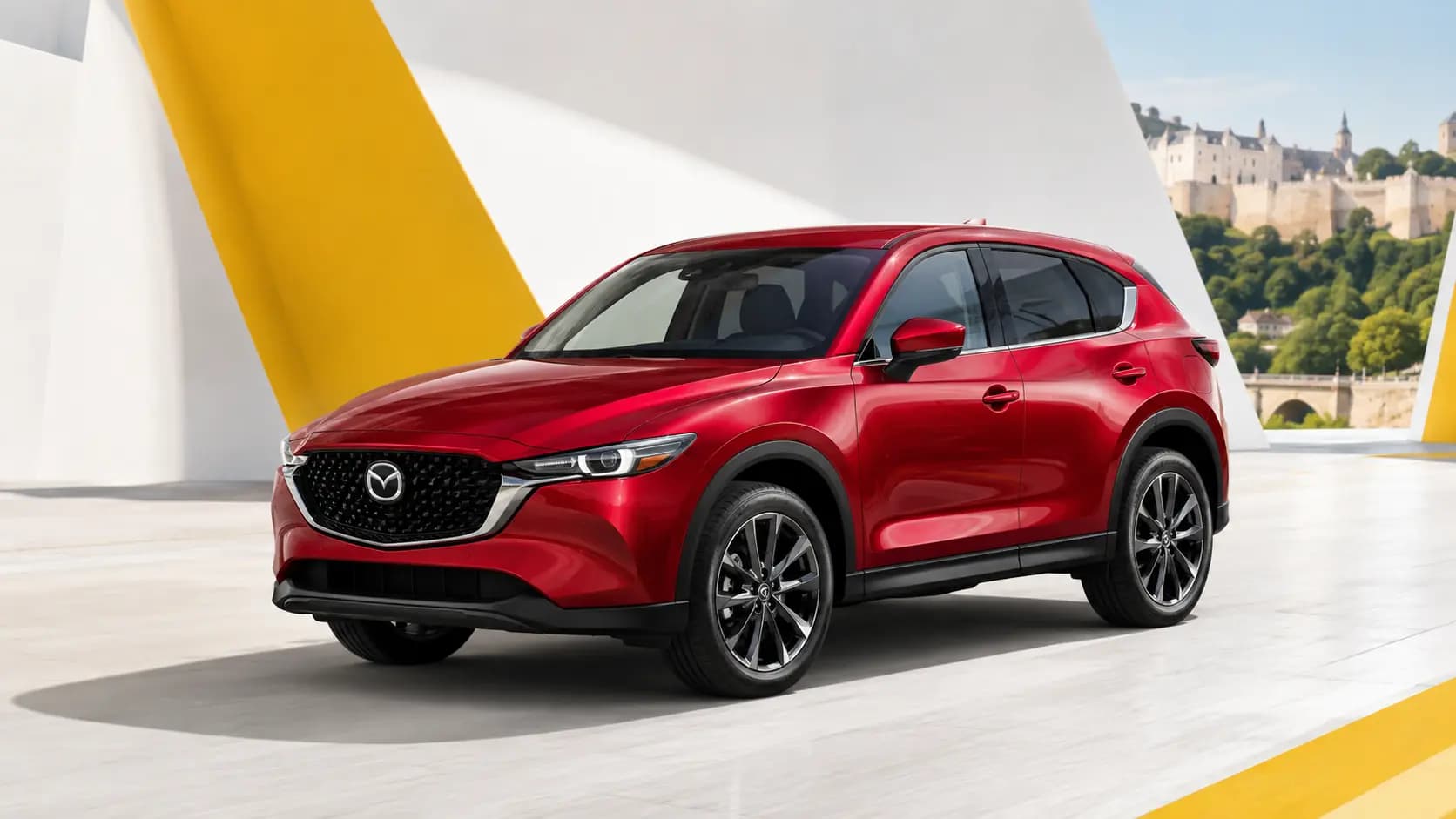
View Mazda3 listingsThe second-generation CX-5 is a popular used family SUV found with petrol or diesel engines and front- or all-wheel drive. Buyers should separate it from the newer-generation CX-5 and check diesel usage, towing and service history.
View Mazda CX-5 listingsThe Mazda6e is a rear-wheel-drive electric fastback with 245–258 hp across European battery versions. Compare battery, DC charging performance, cabin controls and luggage access with established electric rivals.
View Mazda6e listings| Category | Model | Body type | Engine type | Displacement | Power | Curb weight |
|---|---|---|---|---|---|---|
| Cars and roadsters | Mazda2 Hybrid | Hatchback | Full Hybrid | 1.5 L | 116 hp | 1,160–1,245 kg |
| Cars and roadsters | Mazda3 | Hatchback, Saloon | Petrol, Mild Hybrid | 2.0–2.5 L | 140–186 hp | 1,429–1,595 kg |
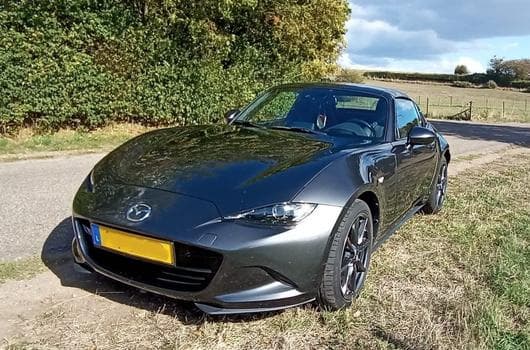
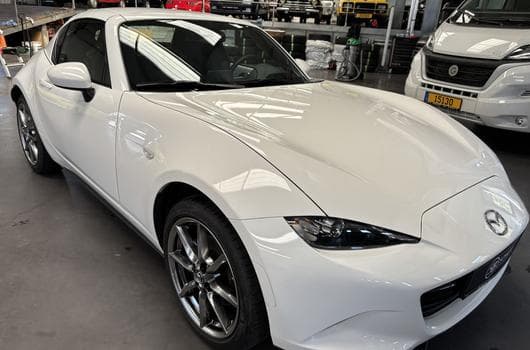
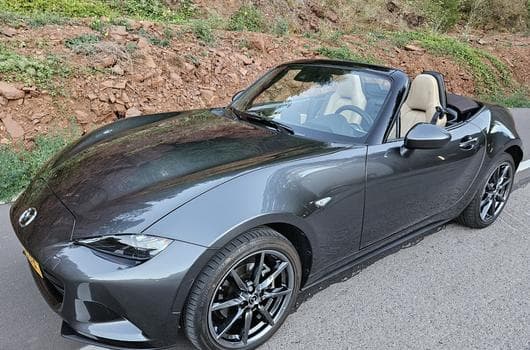
| Cars and roadsters | Mazda MX-5 | Roadster, Retractable fastback | Petrol | 1.5–2.0 L | 132–184 hp | 1,058–1,119 kg |
| SUVs | Mazda CX-30 | Compact SUV | Petrol, Mild Hybrid | 2.0–2.5 L | 140–186 hp | 1,445–1,643 kg |
| SUVs | Mazda CX-5 (2017–2025) | Family SUV | Petrol, Diesel | 2.0–2.5 L | 150–194 hp | 1,555–1,775 kg |
| SUVs | Mazda CX-60 | Large SUV | Diesel, Plug-in Hybrid | 2.5–3.3 L | 200–327 hp | 1,980–2,139 kg |
| Electric models | Mazda6e | Fastback | Electric | Not applicable | 245–258 hp | 1,952–1,962 kg |
Honda, Toyota and Volkswagen provide useful comparisons for Mazda’s compact cars, SUVs and electrified models.
Honda offers similarly engineering-led cars with full-hybrid powertrains and different approaches to cabin packaging and performance.
Browse Honda cars in LuxembourgToyota has a broader full-hybrid range and mature electrification, while Mazda puts more emphasis on petrol-engine character and driving feel.
Browse Toyota cars in LuxembourgVolkswagen supplies a wider European hatchback and SUV range with turbocharged engines and MEB electric models as alternatives to Mazda6e.
Browse Volkswagen cars in LuxembourgMazda2 Hybrid suits urban efficiency, Mazda3 everyday hatchback or saloon use and CX-30 a compact SUV preference. CX-5 provides more family space, MX-5 is the roadster choice and CX-60 serves larger-SUV needs. Mazda6e is the current electric fastback.
Verify generation, engine, service history, fluids, gearbox, tyres, suspension and body repairs. MX-5 buyers should inspect roof drains and corrosion; diesel buyers should review emissions-system use. Electrified models need charging, battery and software checks.
Mainstream models can have moderate routine costs, but MX-5 corrosion repairs, diesel emissions hardware, CX-60 components and EV damage can be expensive. Obtain version-specific insurance and service estimates. Condition and maintenance evidence matter more than mileage alone.
Mazda6e is the current pure-electric fastback, while the older MX-30 EV is smaller and has a shorter-range design. MX-30 R-EV and CX-60 PHEV retain combustion engines and need regular charging to deliver their intended benefit. Match the choice to space and journeys.
SKYACTIV is an umbrella name for Mazda engine, transmission, body and chassis engineering, not one identical system. SKYACTIV-G, SKYACTIV-X and SKYACTIV-D describe different petrol or diesel concepts. Confirm the exact engine and service requirements on the car.