What is Honda known for?
Honda is known for engineering-led cars, efficient packaging and a history of high-revving petrol engines, practical compact models and innovative low-emission technology.
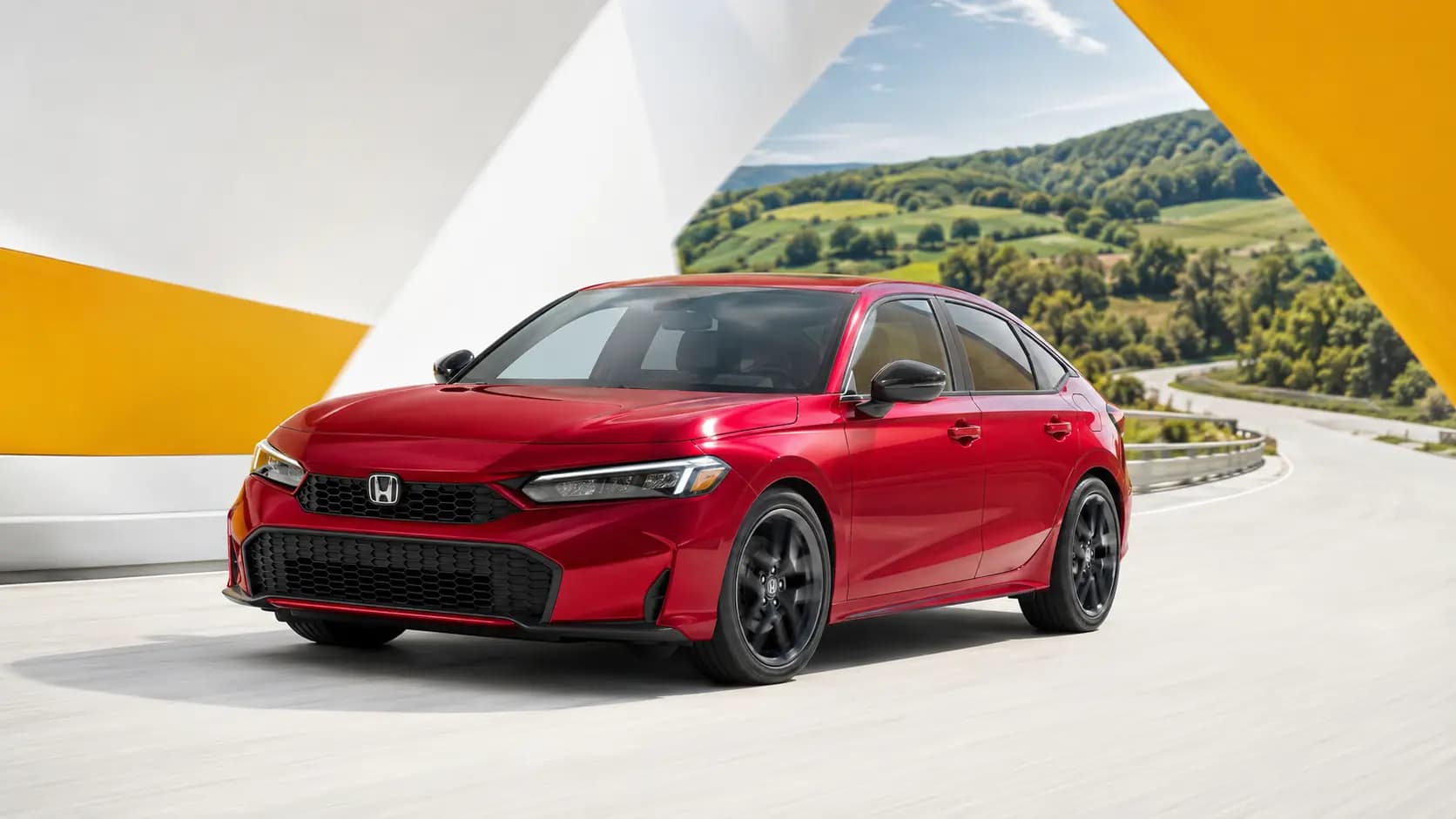
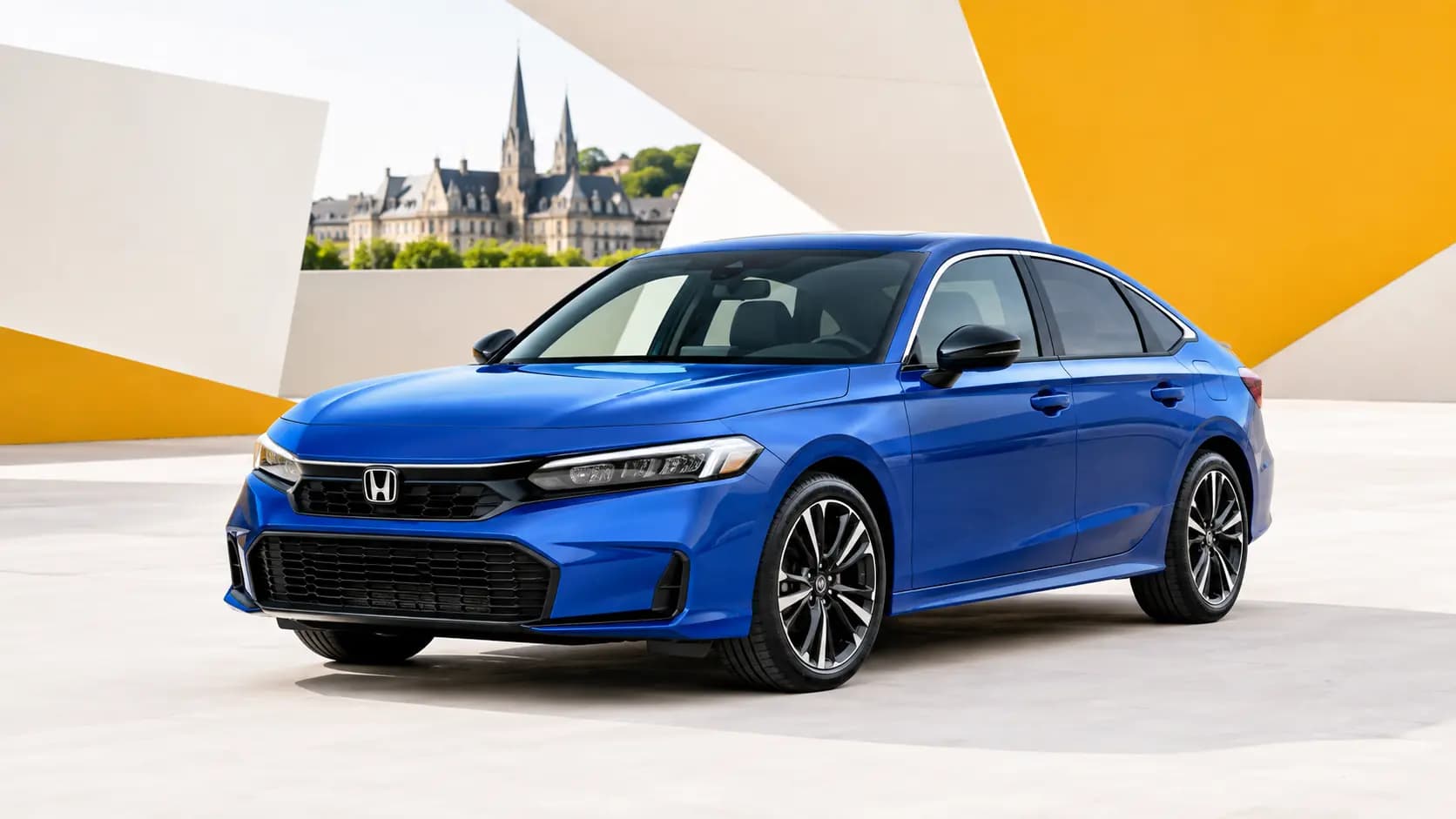
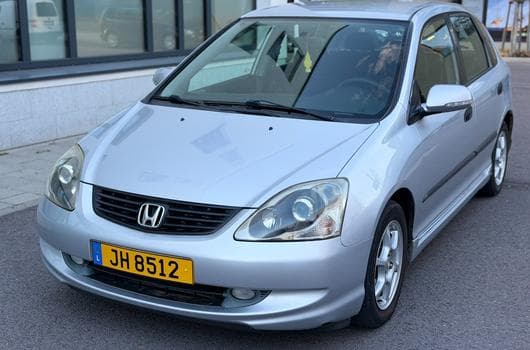
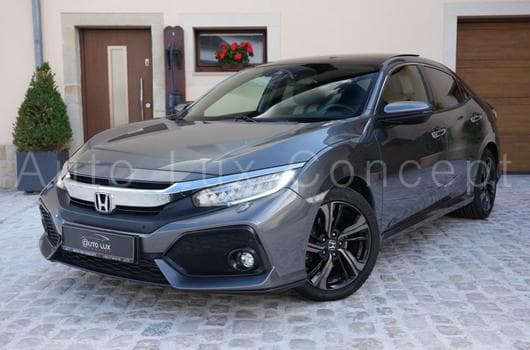
- The Civic has been central to Honda’s car range since 1972 and spans economical hatchbacks, saloons and performance-focused Type R generations.
- VTEC variable valve timing became a widely recognised Honda technology, although its design and purpose vary by engine.
- Honda’s current European e:HEV system uses electric-motor drive for much of everyday operation, with the petrol engine’s role changing according to conditions.
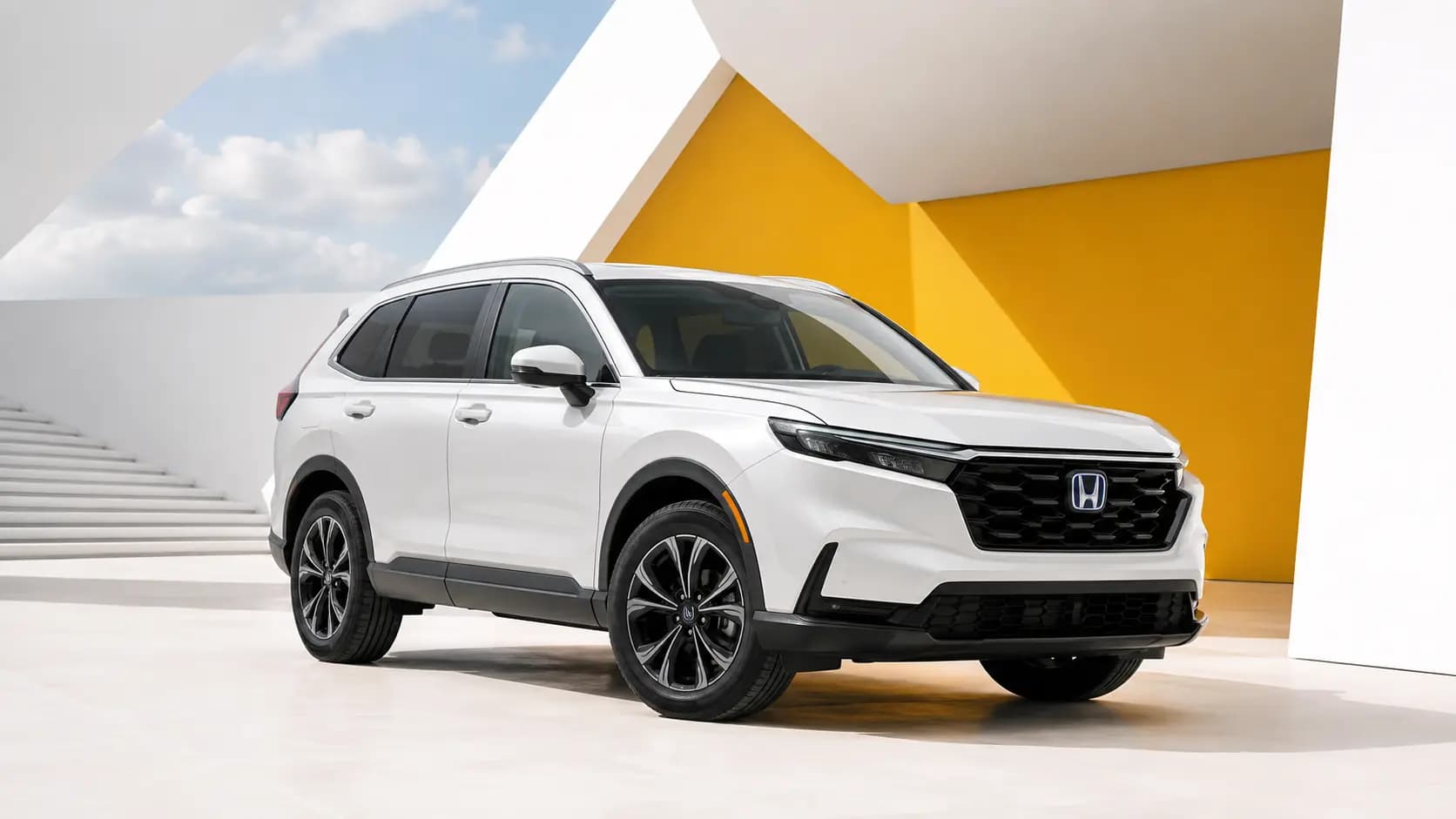
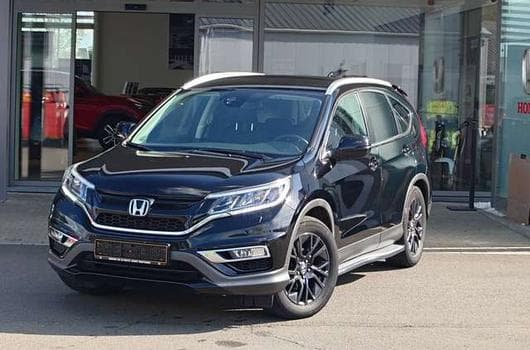
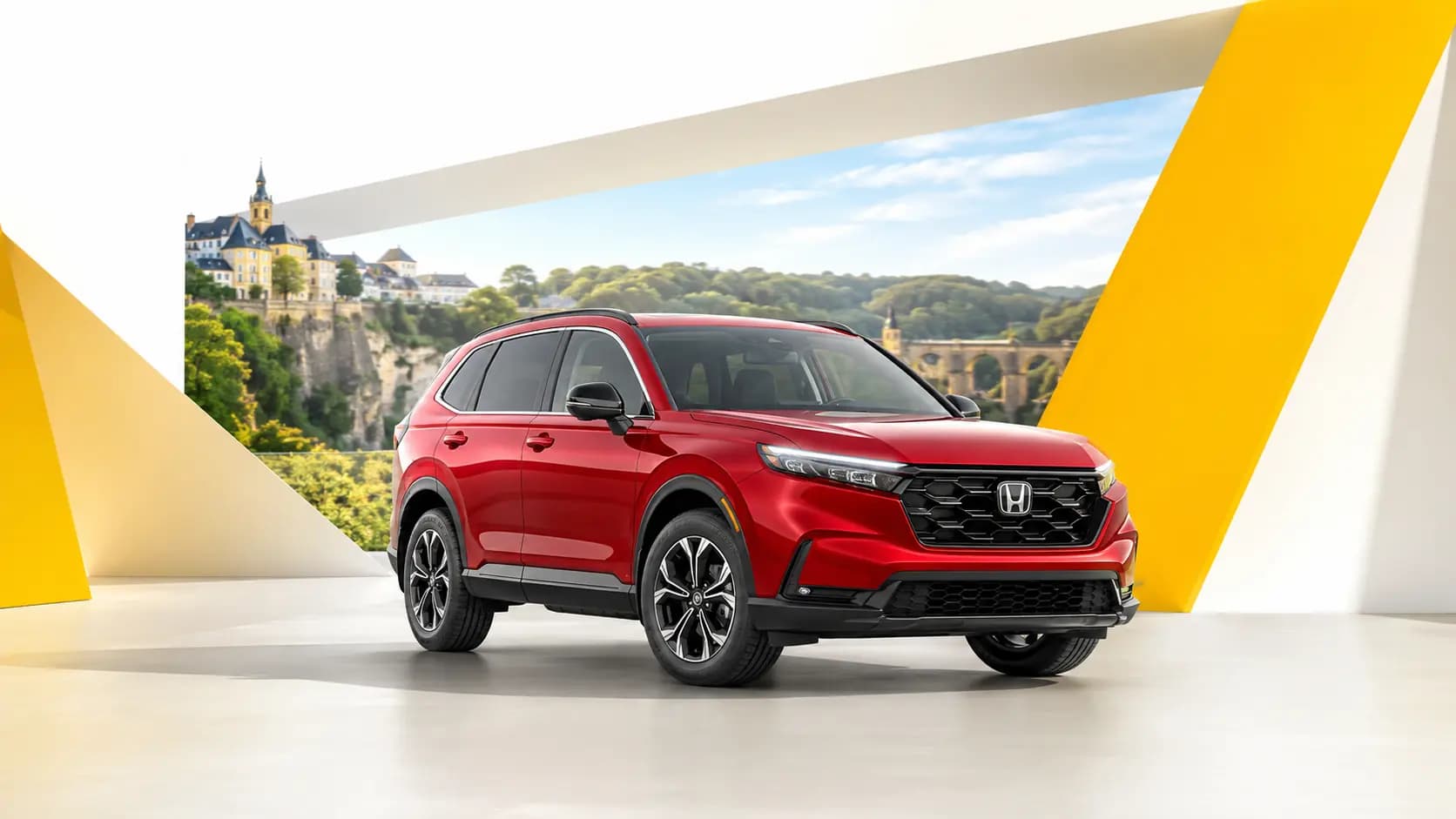
- The Jazz is noted for compact dimensions and flexible Magic Seats, while the CR-V helped establish the modern compact SUV format.
- Honda SENSING groups driver-assistance functions, but sensor type and included features depend on the model, generation and trim.
What is the history of Honda?
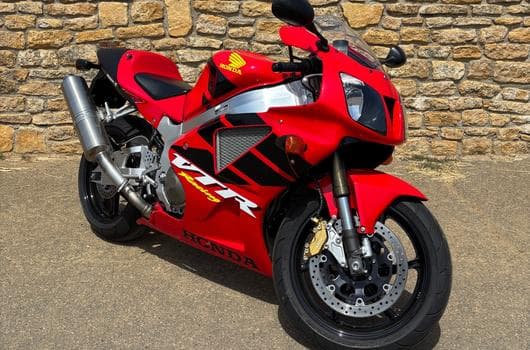
Soichiro Honda established the Honda Technical Research Institute in 1946, initially adapting small engines for bicycles. Honda Motor Co., Ltd. was founded in Hamamatsu in 1948 by Soichiro Honda and Takeo Fujisawa, and the company first built its international reputation through motorcycles.
Honda entered automobile production in the 1960s. The Civic arrived in 1972, and the CVCC engine helped Honda meet stringent American emissions requirements without a catalytic converter on early applications. Later milestones included the Accord, the aluminium-bodied NSX and VTEC engines, which linked Honda strongly with efficient, high-revving engineering and motorsport.
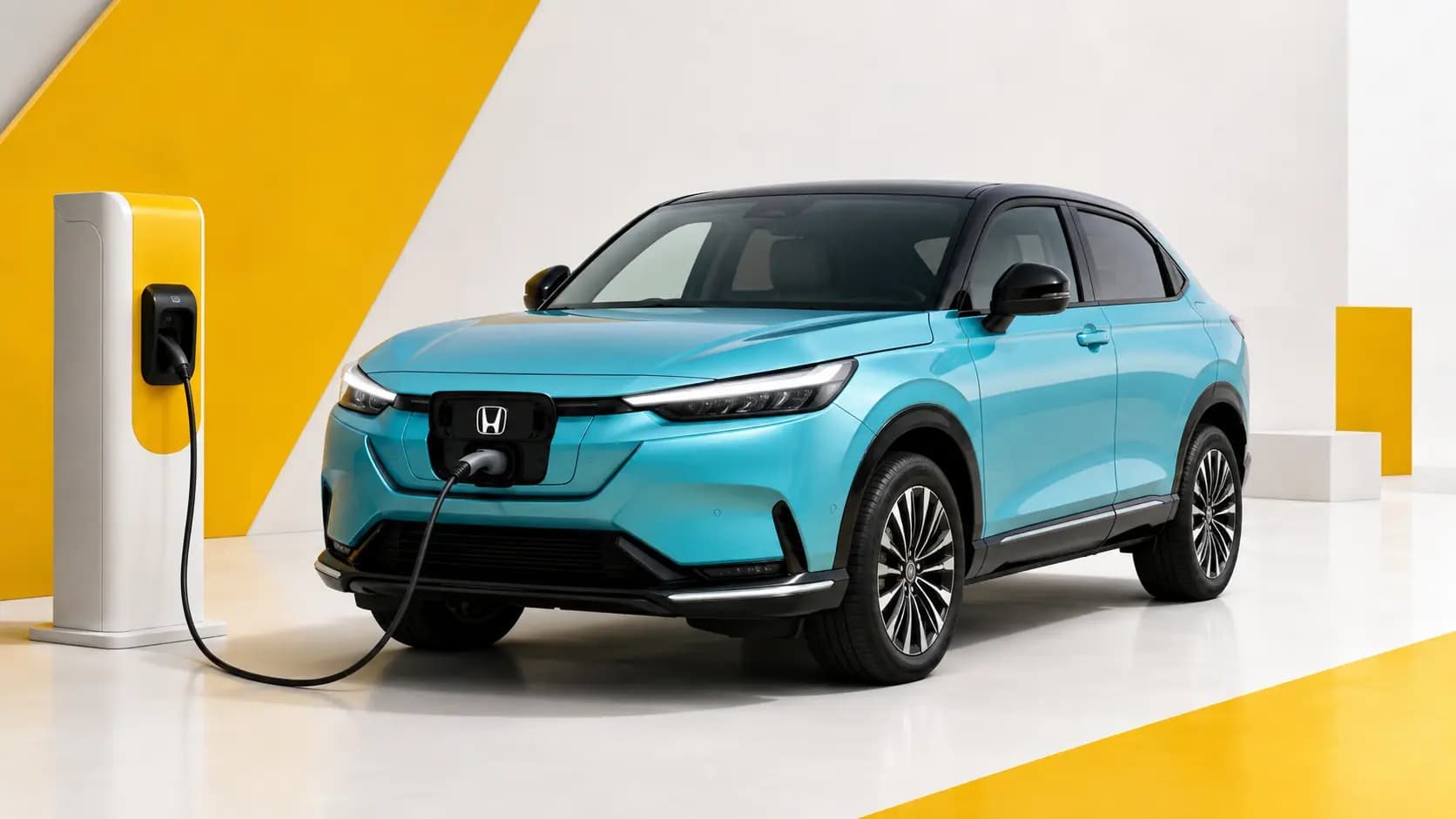
The Insight launched in 1999 as Honda’s first production hybrid. Hybrid systems evolved from IMA to today’s e:HEV architecture, now used across much of the European Jazz, Civic and SUV range. Battery-electric models have included the discontinued Honda e and the e:Ny1 SUV, so used buyers should distinguish Honda’s full hybrids, plug-in hybrids and pure EVs.
What should you check when buying a used Honda?
A Honda should be judged by generation, engine, gearbox, drivetrain and maintenance history rather than by a general reputation. Older petrol, diesel and manual cars require different checks from current e:HEV hybrids and battery-electric models.
- Match the VIN and mileage to invoices, then ask a Honda retailer about open recalls, service campaigns and software updates.
- Start combustion engines from cold and check warning lights, oil and coolant levels, leaks, exhaust smoke and evidence of correct fluid and filter changes.
- On manual cars, test clutch take-up and every gear; on CVT, conventional automatic and e:HEV models, confirm smooth response at low speed and under acceleration.
- Inspect suspension, steering, brakes, wheels and tyres and investigate uneven wear, vibration or impact damage.
- On older cars with VTEC petrol engines, verify correct oil specification and level rather than assuming performance branding guarantees condition.
- For e:HEV and plug-in-hybrid models, check the hybrid warning system, 12-volt battery, cooling and service records; test external charging on the CR-V PHEV.
- For the Honda e or e:Ny1, test AC and DC charging, inspect cables and ports, check software history and seek battery-condition evidence.
- Test Honda SENSING, cameras, climate control, infotainment, seat mechanisms and every key, then inspect body repairs and underbody condition.
Show 3 moreShow less