Luxauto.lu

Nissan

Nissan in Luxembourg: models and buying guide

Nissan is known for mainstream Japanese cars, pioneering crossovers and electrification from Leaf and Ariya to e-POWER. This guide explains the key model families, Leaf and Ariya EVs, clearly separated from non-plug-in e-POWER and Juke Hybrid, and the checks that matter when assessing cars advertised in Luxembourg.

View listings
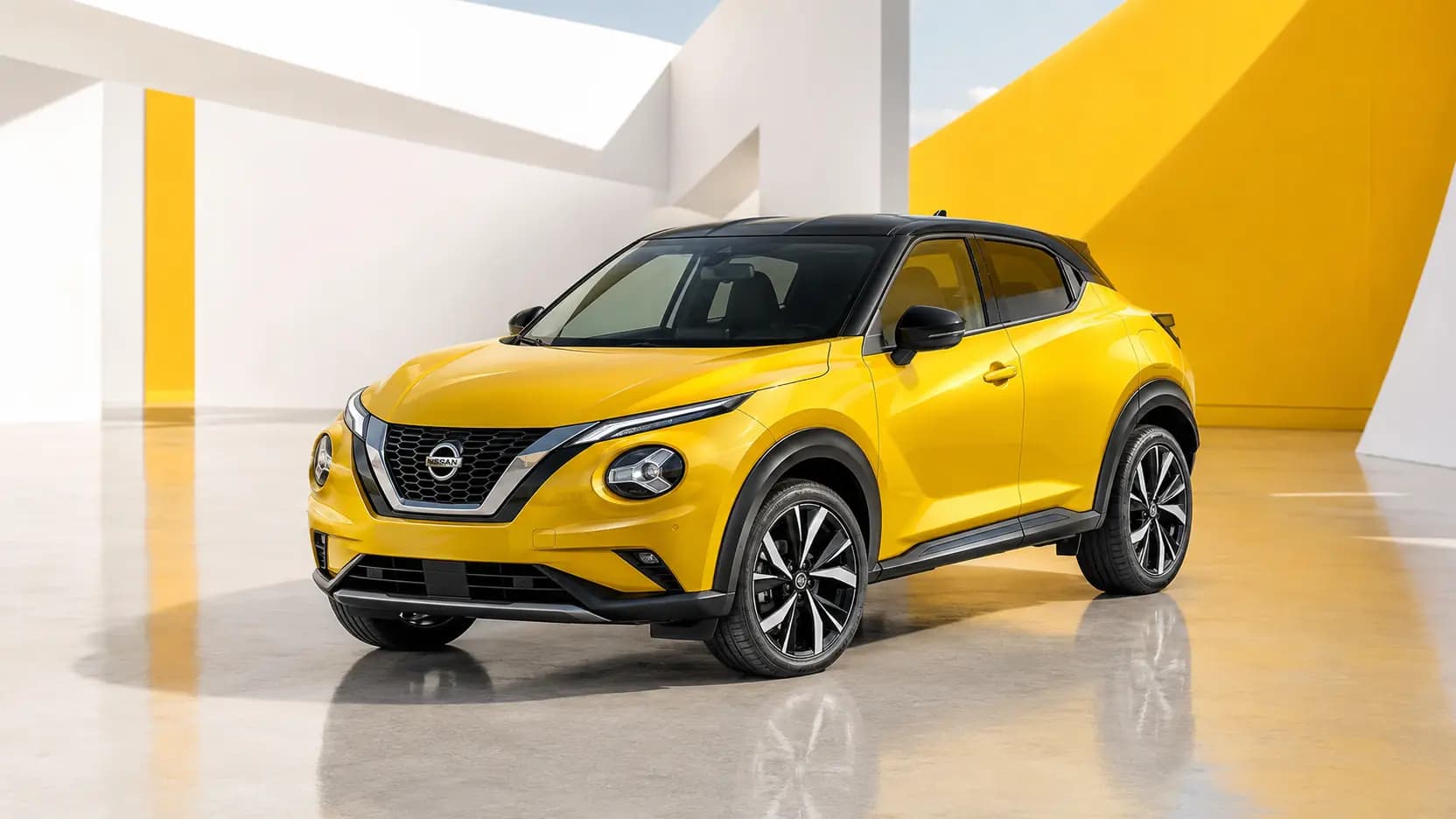
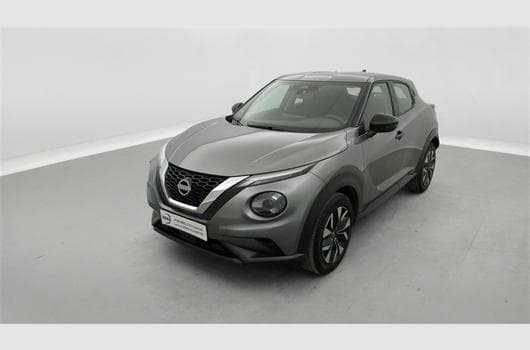
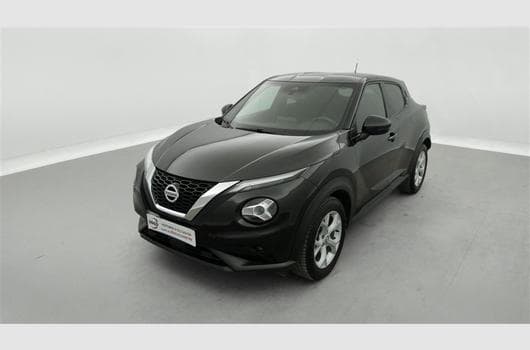
Nissan Juke in a contemporary Luxembourg setting
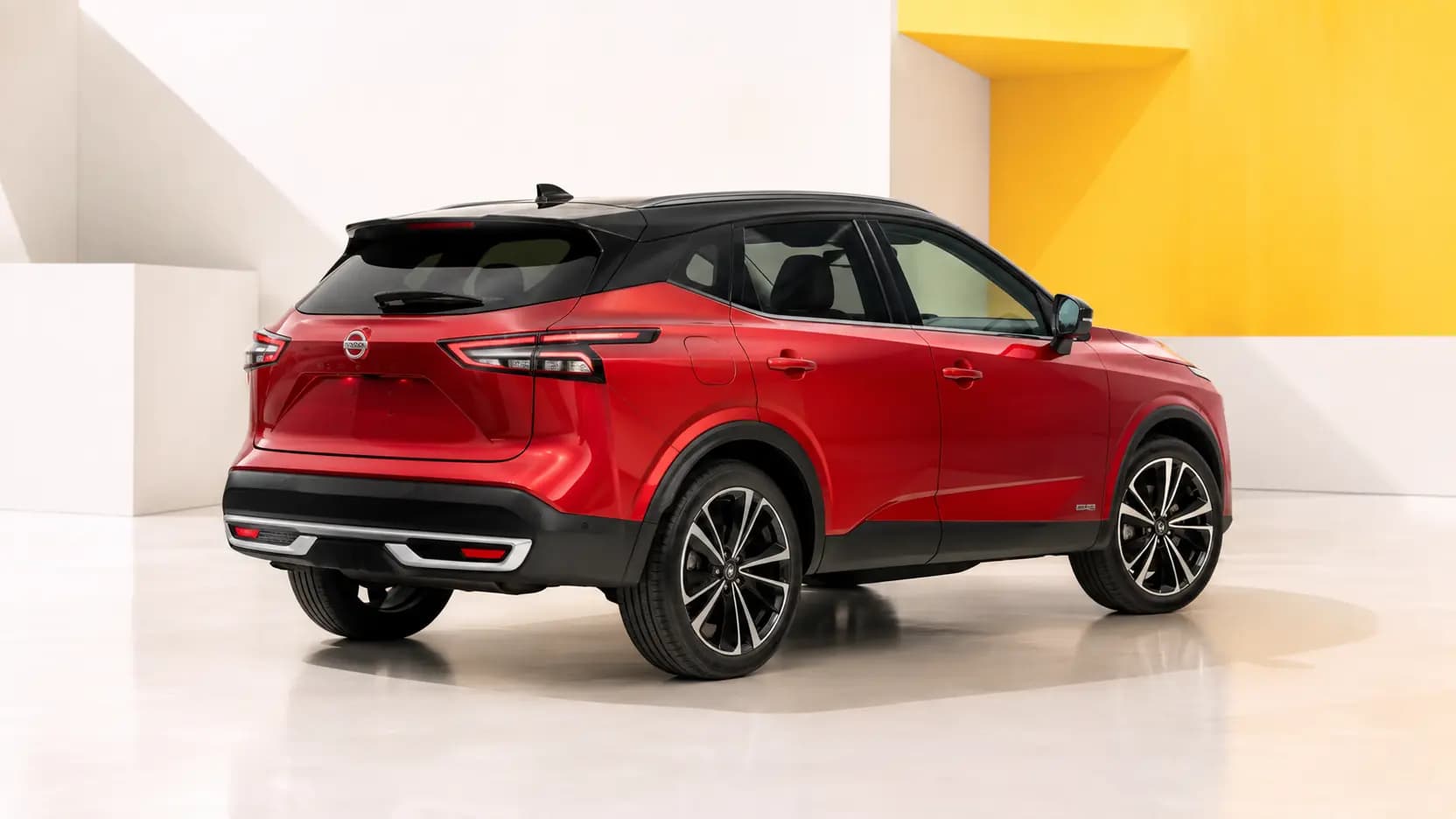
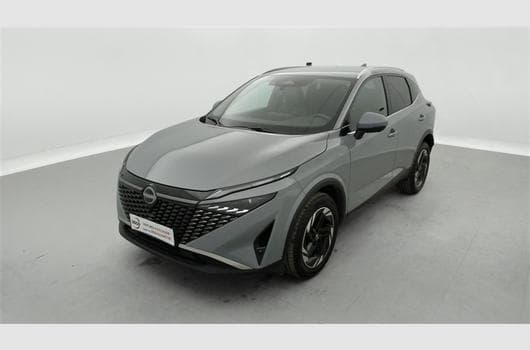
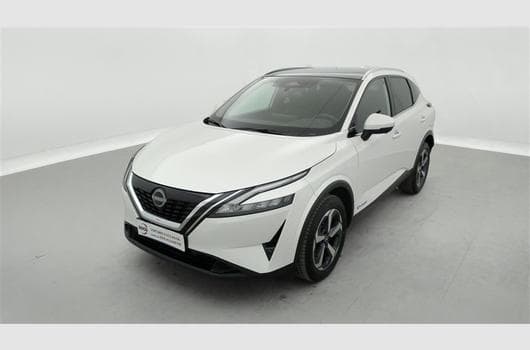
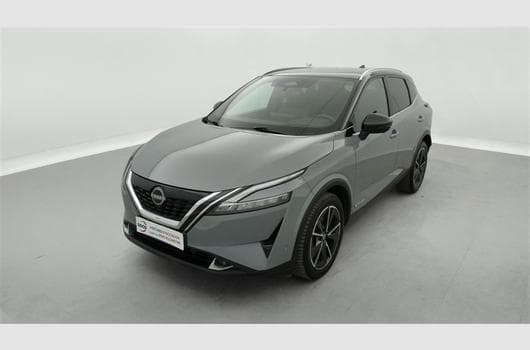
Nissan Qashqai in a contemporary Luxembourg setting
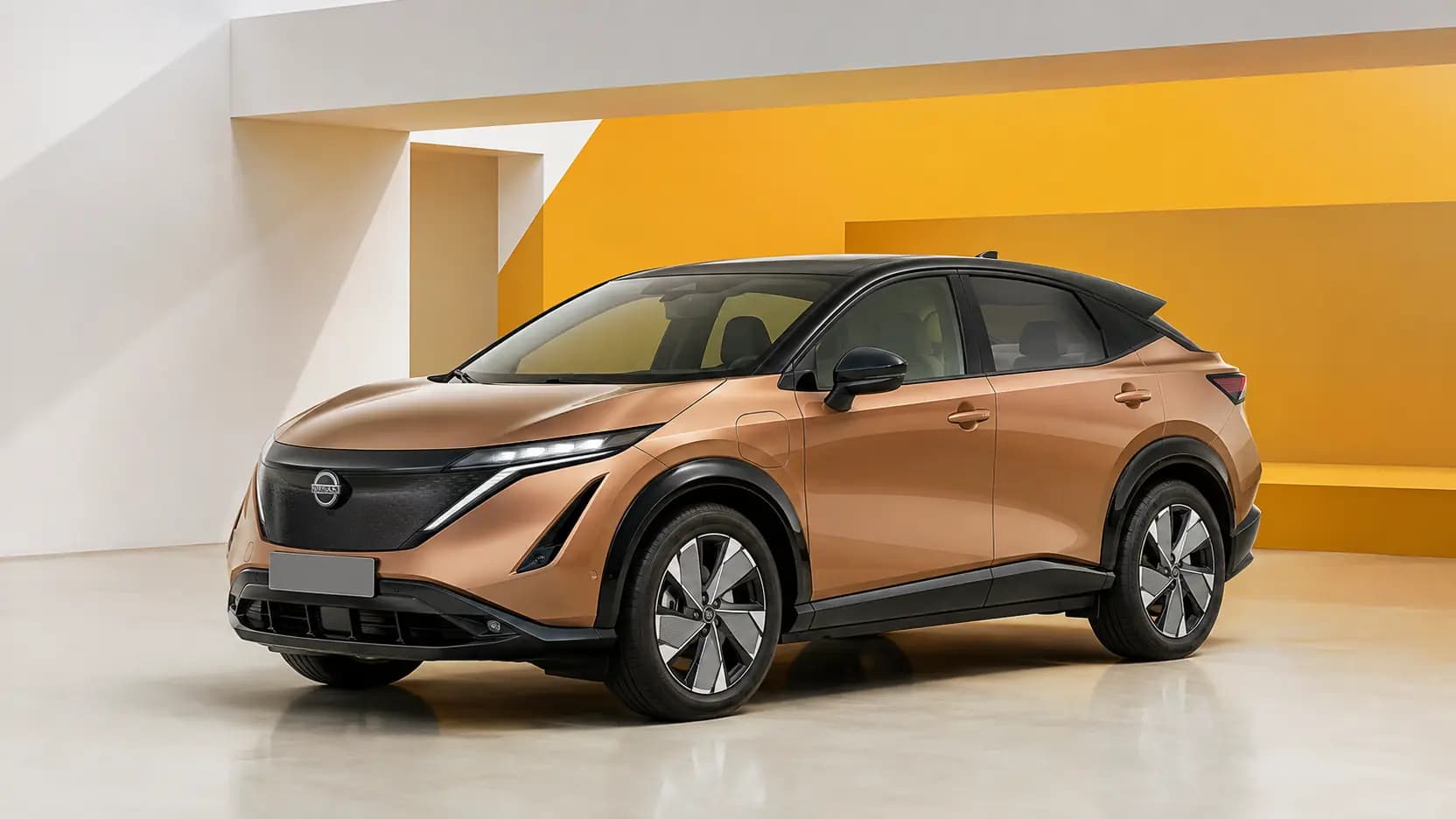
Nissan Ariya in a contemporary Luxembourg setting

What is Nissan known for?

Nissan is known for mainstream Japanese cars, pioneering crossovers and electrification from Leaf and Ariya to e-POWER. Its identity is reinforced by e-POWER, e-4ORCE and ProPILOT, although equipment and system design vary by model, generation and trim.

Latest listings

View all listings

What is the history of Nissan?

Nissan Motor was established in 1933, building on earlier DAT automobile businesses in Japan. The company expanded internationally with Datsun-badged cars before adopting Nissan globally in the 1980s. Qashqai helped popularise the European crossover format from 2006, while Leaf became one of the first mass-market modern electric cars in 2010. Today’s European used range spans Juke, Qashqai, X-Trail, Leaf and Ariya. e-POWER adds a series-hybrid system in which the petrol engine generates electricity while an electric motor drives the wheels.

What should you check when buying a used Nissan?

A used Nissan should be judged by its exact generation, engine or electric drivetrain, transmission and equipment. A complete invoice-backed history, a long road test and an independent inspection are more useful than assumptions based on the badge.

  • Test NissanConnect, ProPILOT where fitted, cameras, parking sensors, climate control and every key.
  • Check body panels and underbody for accident repairs, tow damage or corrosion appropriate to age and use.
  • For Leaf and Ariya, test AC/DC charging, confirm port and cable type, and review battery-health, thermal-management and software records.
Show 3 more
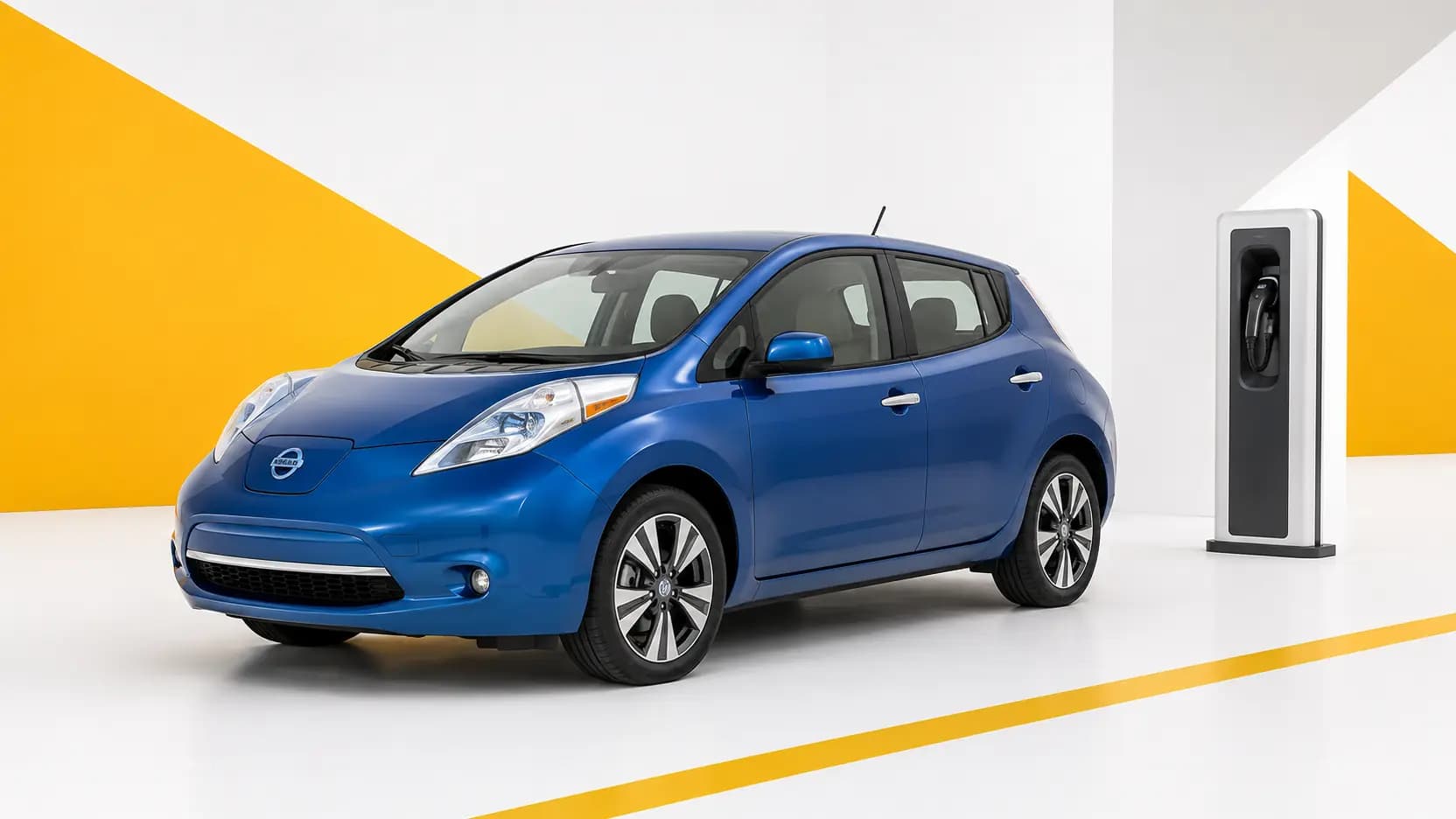
Nissan electrified model connected or ready for efficient driving

Does Nissan offer electric models?

Yes. Leaf and Ariya are battery-electric vehicles charged from an external supply. Qashqai and X-Trail e-POWER are not plug-in cars: a petrol engine generates electricity and the wheels are driven by electric motors. Juke Hybrid is another non-plug-in hybrid, using a different system.

Which Nissan models should buyers compare?

Nissan Juke

Nissan Juke is a compact crossover suv offered with petrol, full hybrid power depending on year. It suits buyers who need an accessible everyday entry to the range, but condition and exact specification remain decisive.

View Nissan Juke listings

Nissan Qashqai

Nissan Qashqai is a compact family suv offered with mild hybrid, e-power power depending on year. It suits buyers who need more passenger and luggage flexibility, but condition and exact specification remain decisive.

View Nissan Qashqai listings

Nissan Ariya

Nissan Ariya is a electric crossover suv offered with electric power depending on year. It suits buyers who need a more distinctive or electrified choice, but condition and exact specification remain decisive.

View Nissan Ariya listings

Overview of Nissan models by category

CategoryModelBody typeEngine typeDisplacementPowerCurb weight
Small and compact carsNissan MicraFive-door hatchbackPetrol1.0 L92–117 hp1,052–1,158 kg
Small and compact carsNissan JukeCompact crossover SUVPetrol, Full Hybrid1.0–1.6 L114–143 hp1,274–1,446 kg
Family cars and SUVsNissan QashqaiCompact family SUVMild Hybrid, e-POWER1.3–1.5 L140–205 hp1,420–1,665 kg
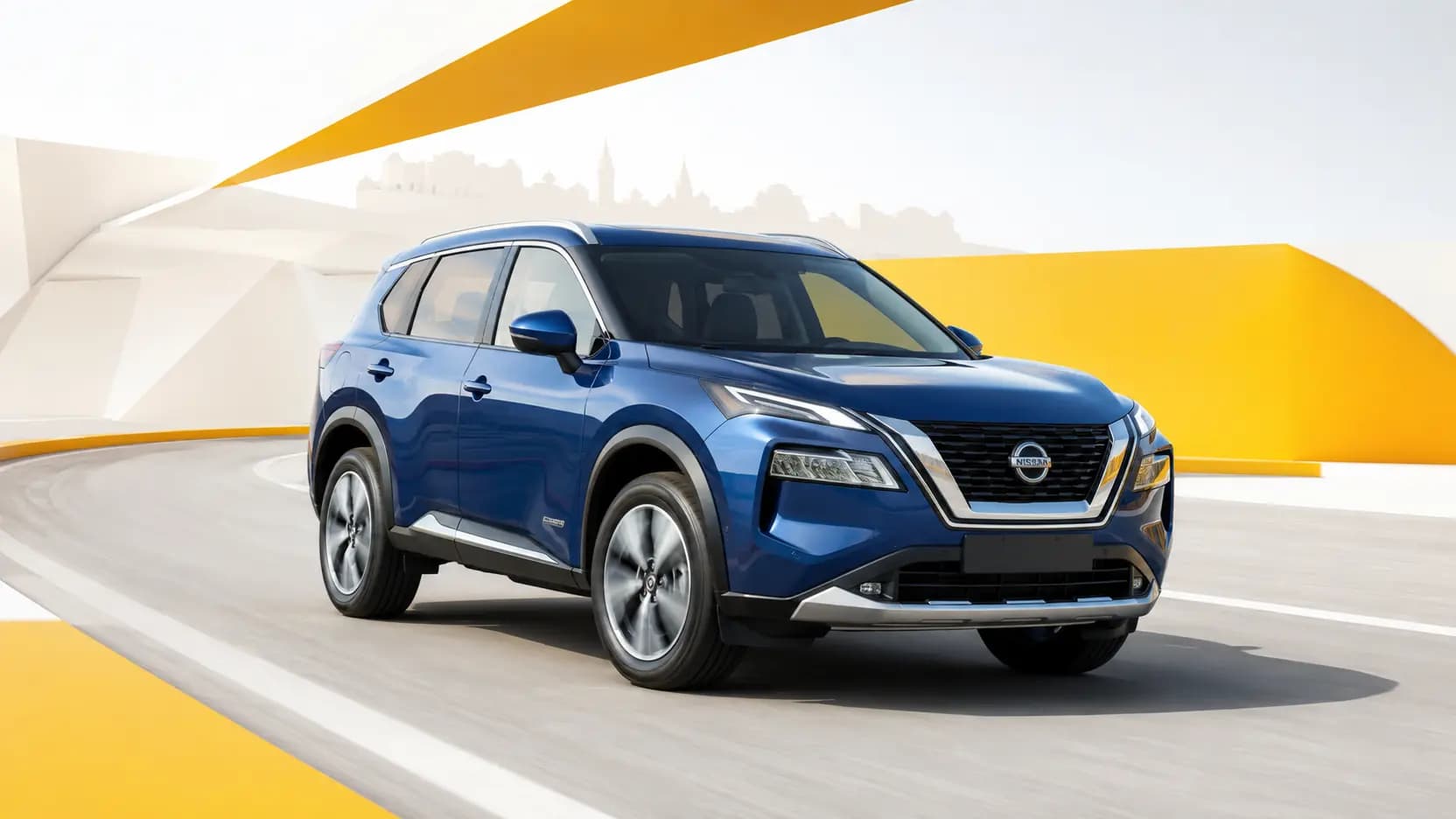
Nissan vehicle on a road in Luxembourg

Is buying a used Nissan worth it?

A used Nissan can make sense for buyers who specifically value mainstream Japanese cars, pioneering crossovers and electrification from Leaf and Ariya to e-POWER. The strongest choice is a correctly specified car with coherent mileage, documented maintenance and condition that matches its price. Compare fuel or charging needs, insurance, tax, tyres and scheduled servicing before deciding. Complex drivetrains and optional equipment can change costs substantially, while a specialist inspection is prudent when history is incomplete.

What are good alternatives to Nissan?

These alternatives overlap with Nissan, but each offers a different balance of design, space, powertrains and ownership priorities.

Frequently asked questions about used Nissan cars

Which used Nissan suits different drivers?+

Nissan Juke is the most direct everyday reference, while Nissan Qashqai addresses buyers needing a different balance of space and versatility. Nissan Ariya adds the brand’s more distinctive or electrified angle. Choose by intended journeys, seating, luggage and condition rather than model name alone.

What should you check before buying a used Nissan?+

Verify the VIN, mileage trail, invoices, exact powertrain and campaign history. Test the car from cold to fully warm, including transmission, brakes, steering, suspension, infotainment and driver aids. Electrified cars also need a charging and battery-document check.

Is a used Nissan expensive to maintain?+

Costs depend on model, age, drivetrain, wheel size and equipment rather than the badge alone. Obtain insurance and service estimates for the exact registration, then budget for tyres, brakes and age-related work. A cheaper car with missing history can cost more than a well-documented example.

Which electrified Nissan should you choose?+

Leaf and Ariya EVs, clearly separated from non-plug-in e-POWER and Juke Hybrid define the relevant choices. Match the system to home or workplace charging, regular journey length and winter use. On a used vehicle, confirm cables, charging operation, software and battery documentation.

What does e-POWER, e-4ORCE and ProPILOT mean on a used Nissan?+

e-POWER, e-4ORCE and ProPILOT is a make-specific technology or system associated with front- or e-4ORCE all-wheel drive. Its operation and standard equipment vary by model, year and trim, so decode the vehicle rather than relying on the badge. Test every relevant mode and check the handbook and service record.