What is Citroën known for?
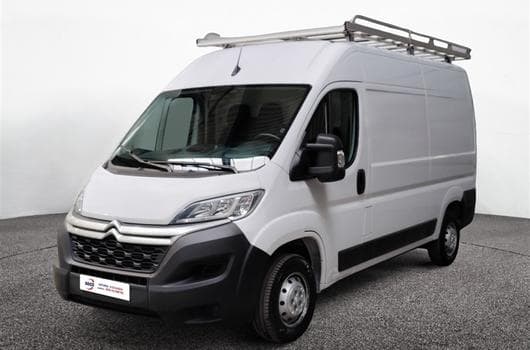
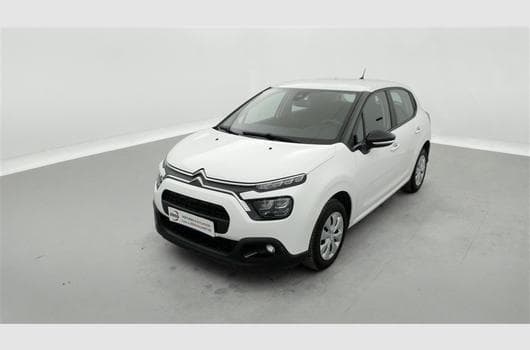
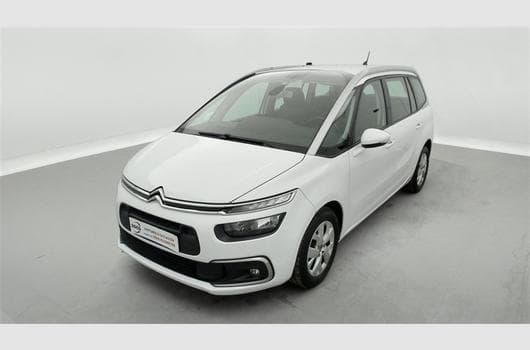
Citroën is known for comfort-focused suspension, unconventional design and practical small cars, family models and vans. Its identity is reinforced by Citroën Advanced Comfort, although equipment and system design vary by model, generation and trim.
- The marque’s documented roots reach back to 1919 in France.
- Citroën Advanced Comfort is a defining reference, but its function varies by model and year.
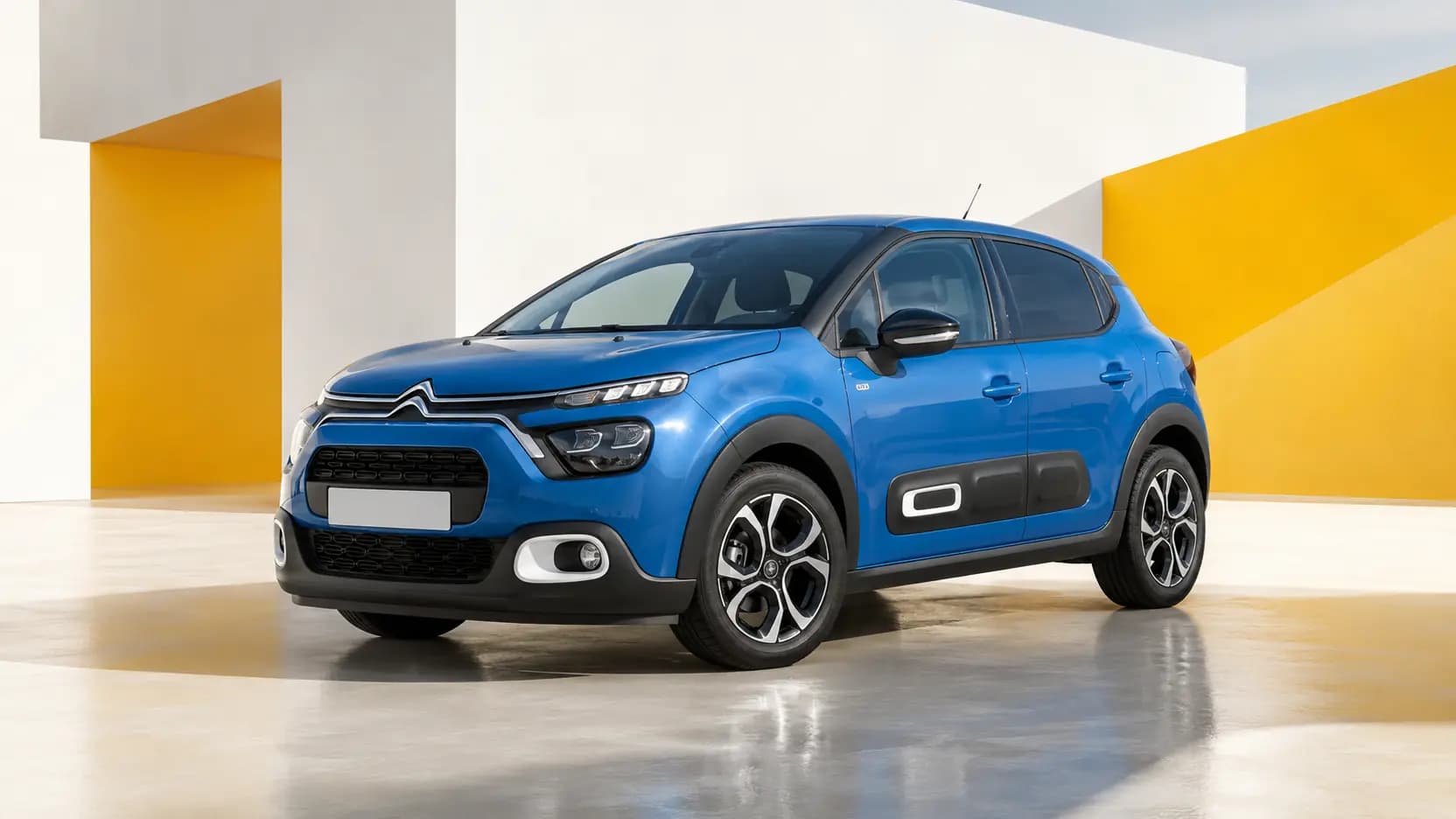
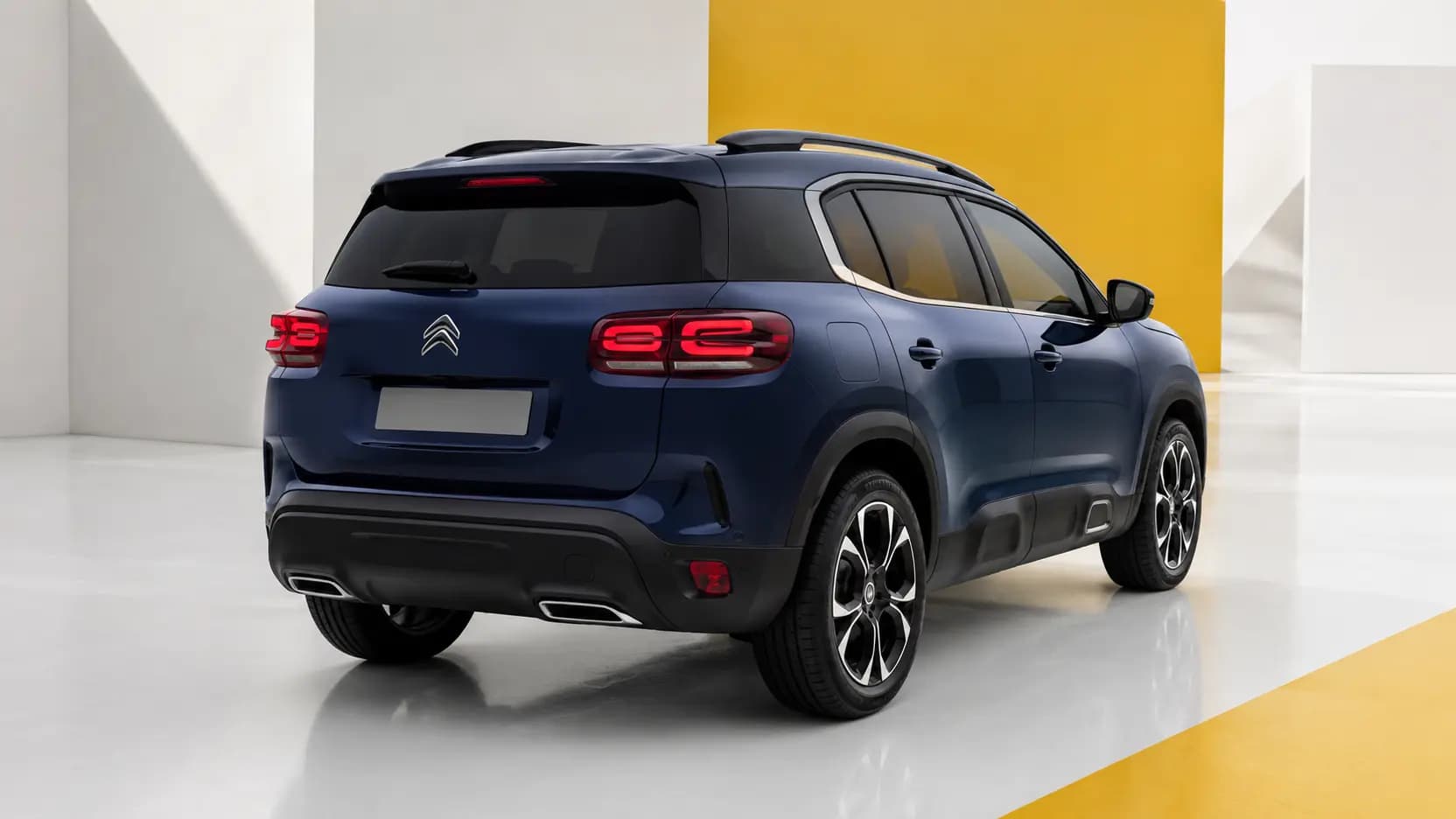
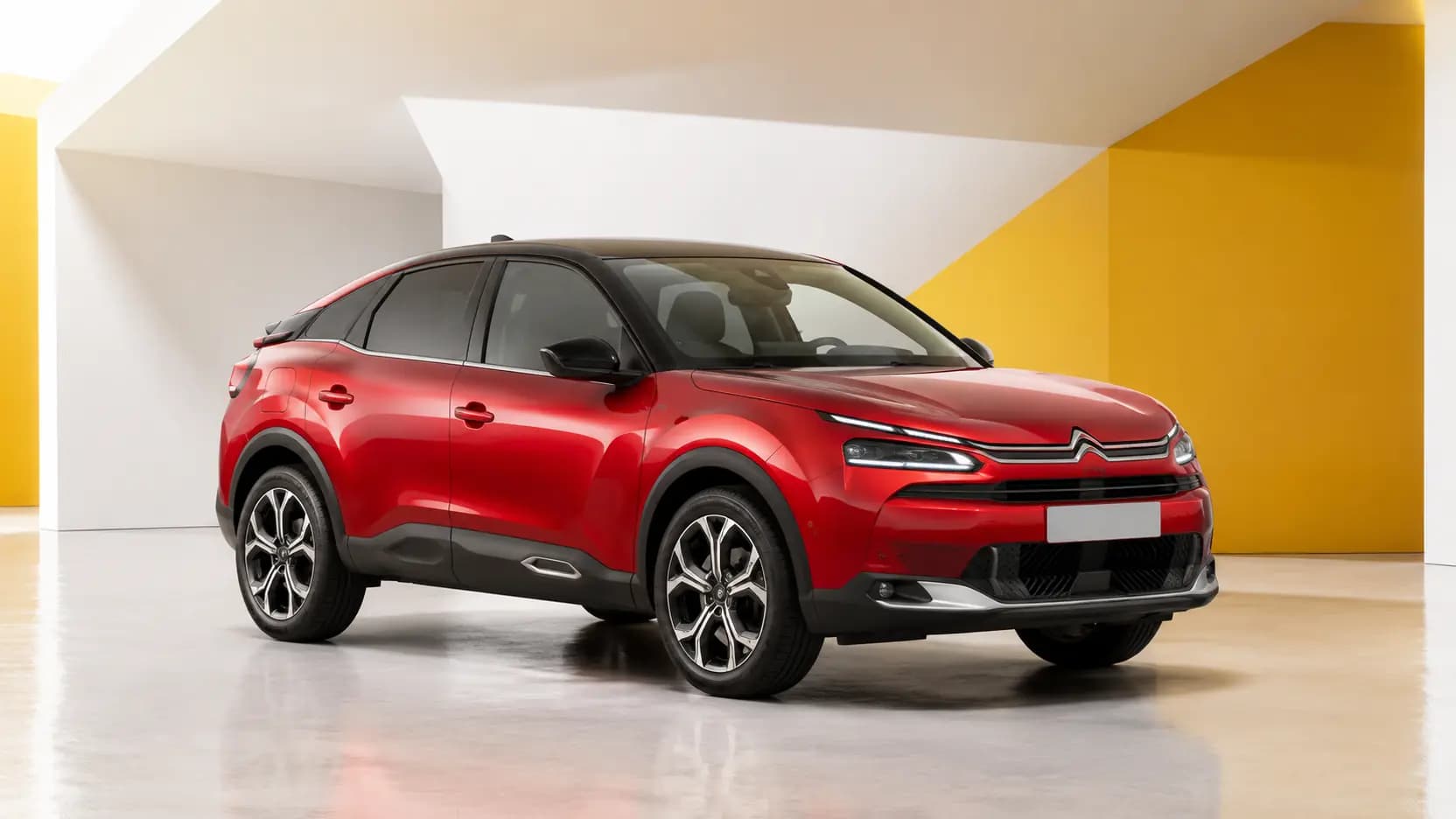
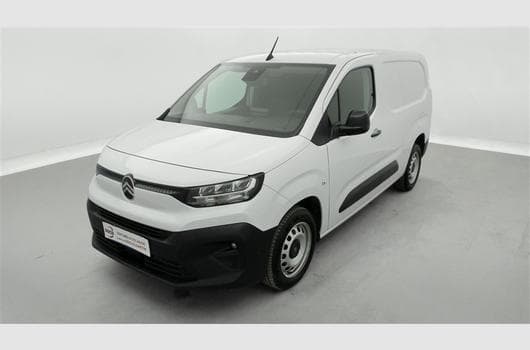
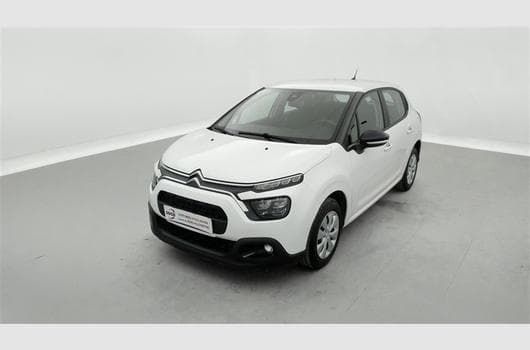
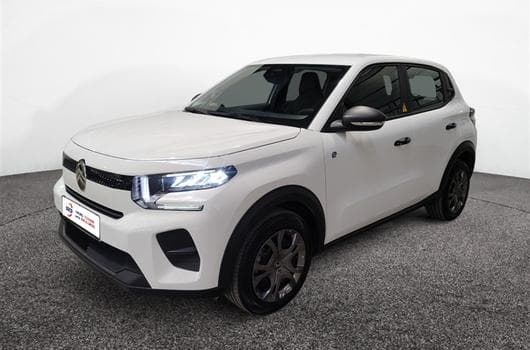
- The used range covers C3, C3 Aircross, C4 and other distinct formats.
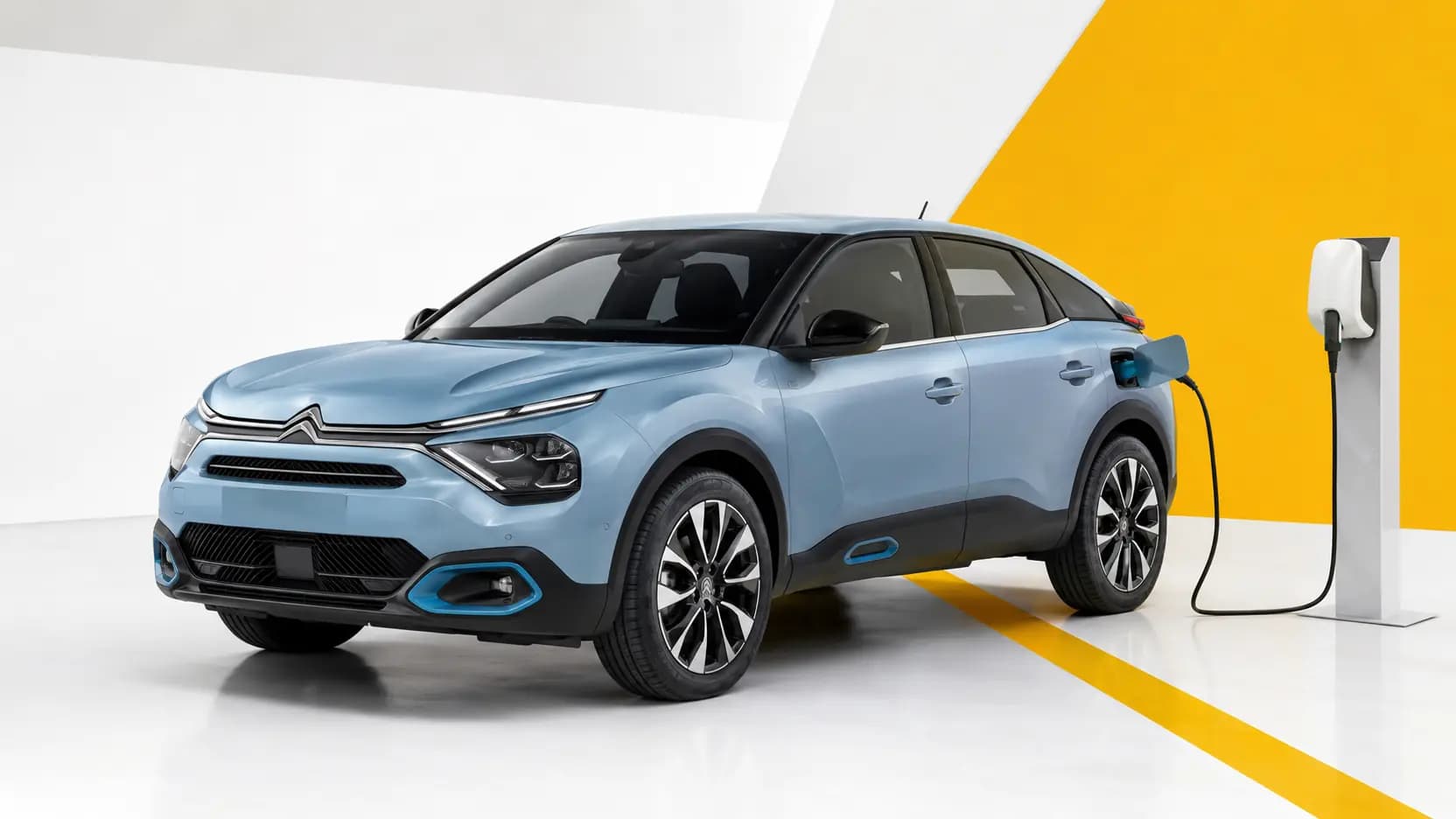
- Powertrains span Petrol, Mild Hybrid, Electric, Diesel, Plug-in Hybrid across the models represented here.
- Equipment, wheel size and driver-assistance content must be checked on the individual car.
What is the history of Citroën?
André Citroën founded the marque in Paris in 1919 and brought large-scale production methods to the European motor industry.
Landmarks include the front-wheel-drive Traction Avant of 1934, the hydropneumatic DS of 1955 and the minimalist 2CV. Later C-series models carried the brand into modern hatchback, MPV and SUV segments.
Citroën is now part of Stellantis. Recent European models use Advanced Comfort seats or progressive hydraulic cushions where specified, with petrol, diesel, hybrid, plug-in-hybrid and battery-electric choices across different families.
What should you check when buying a used Citroën?
A used Citroën should be judged by its exact generation, engine or electric drivetrain, transmission and equipment. A complete invoice-backed history, a long road test and an independent inspection are more useful than assumptions based on the badge.
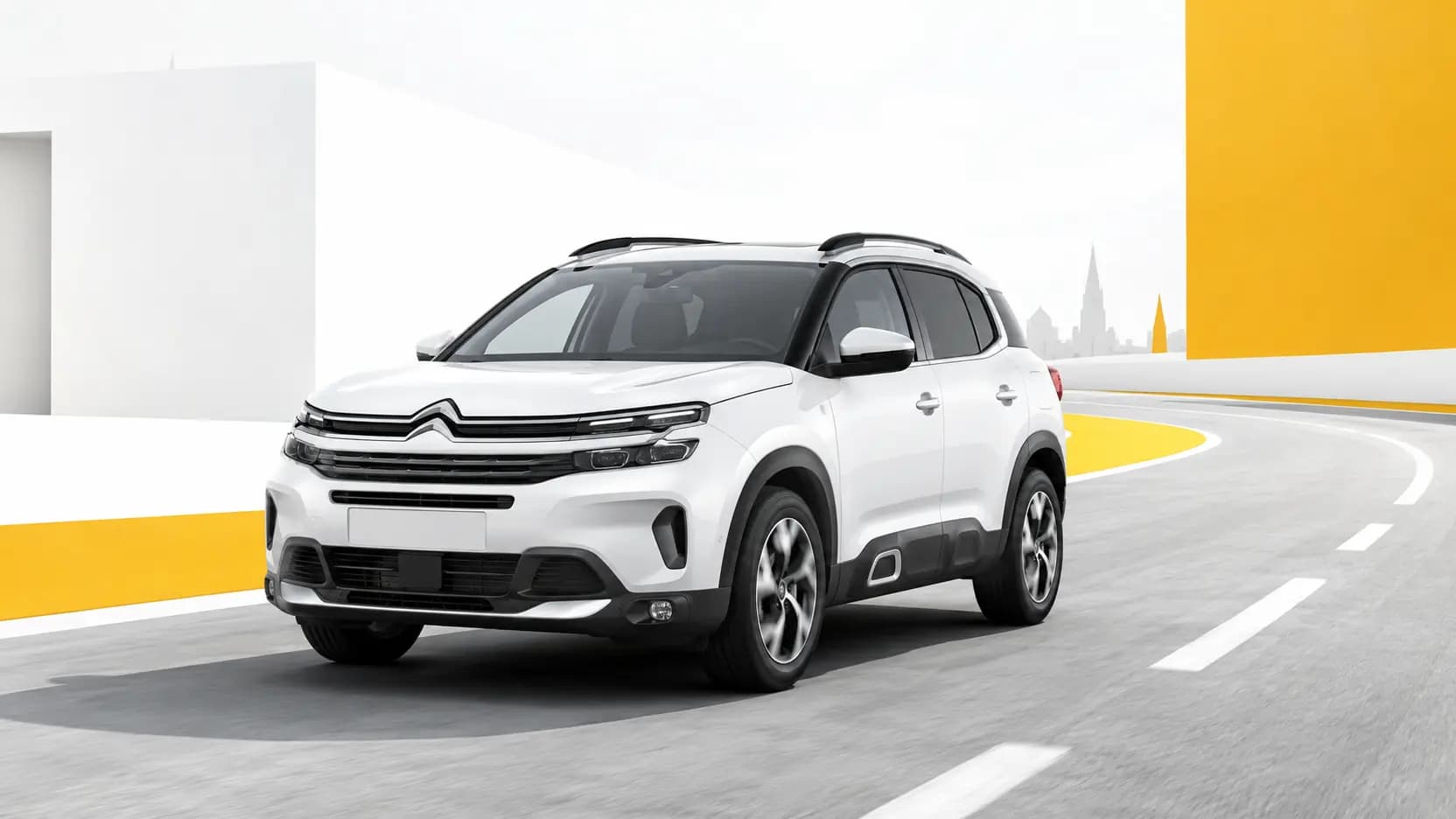
- Identify the exact generation and powertrain, especially for C3 Aircross and C5 Aircross, whose newer versions differ substantially from predecessors.
- Verify service invoices against the engine code and official schedule; do not assume all PureTech, BlueHDi or hybrid versions share the same requirements.
- Start from cold and check for warning lights, leaks, smoke, unstable running and documented oil, coolant and emissions-system maintenance.
- Test manual, EAT automatic or electrified dual-clutch operation at low speed and after warm-up.
- Inspect suspension, bump stops, tyres, wheels and alignment, and investigate knocks rather than assuming a soft ride hides wear.
- Test the touchscreen, instrument display, cameras, parking aids, climate control, Advanced Comfort equipment and both keys.
- On Berlingo and family models, check sliding doors, seat mechanisms, load-area wear and evidence of commercial use.
- For electric or plug-in-hybrid versions, test charging, inspect the cable and port, and review battery, cooling and software records.
Show 3 moreShow less