Opel Corsa
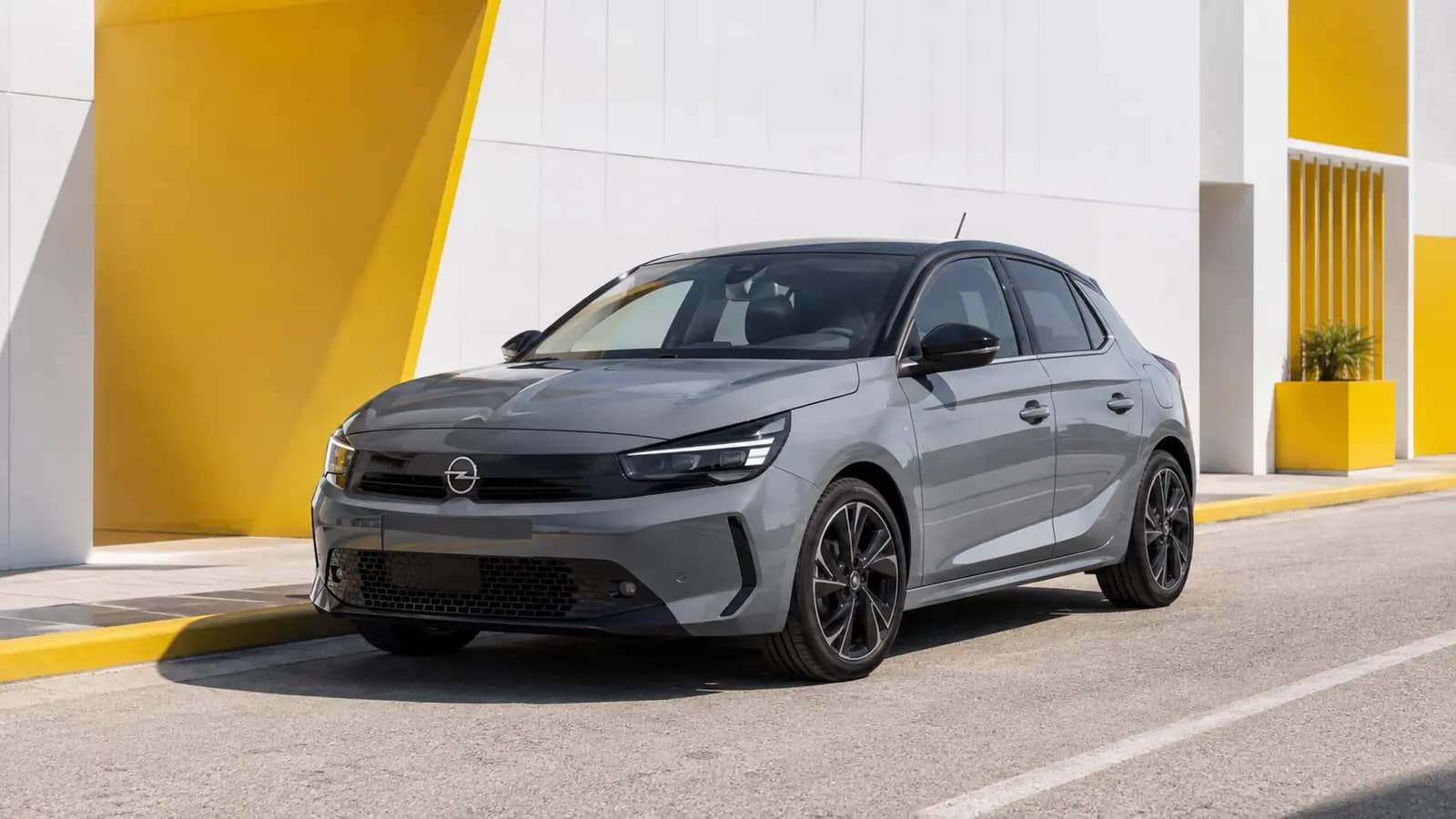
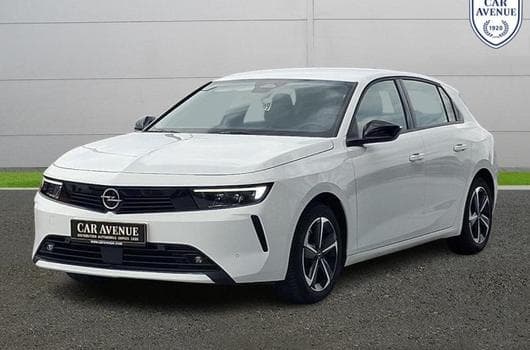
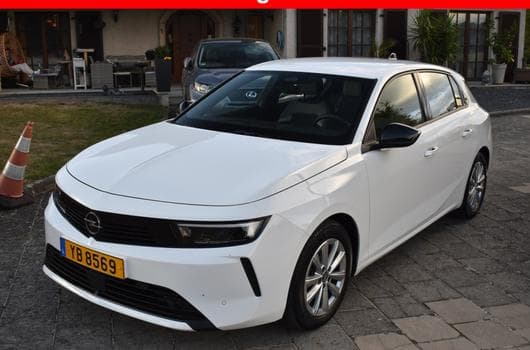
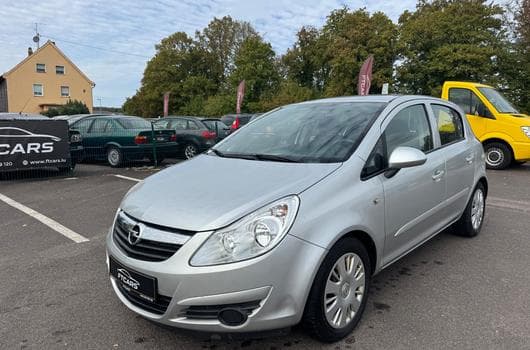
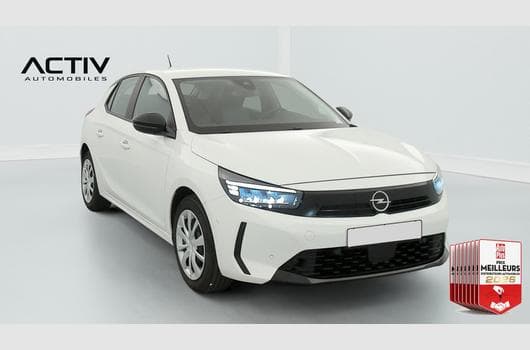
The Corsa is a compact five-door car suited to urban use and commuting. Petrol and electric versions make running pattern and access to charging central to the choice.
View Opel Corsa listingsOpel
Opel covers everyday hatchbacks, practical estates and compact SUVs, with petrol, hybrid and battery-electric options. This guide explains the main model families, useful technical differences and checks that matter when viewing a used Opel in Luxembourg.
View listings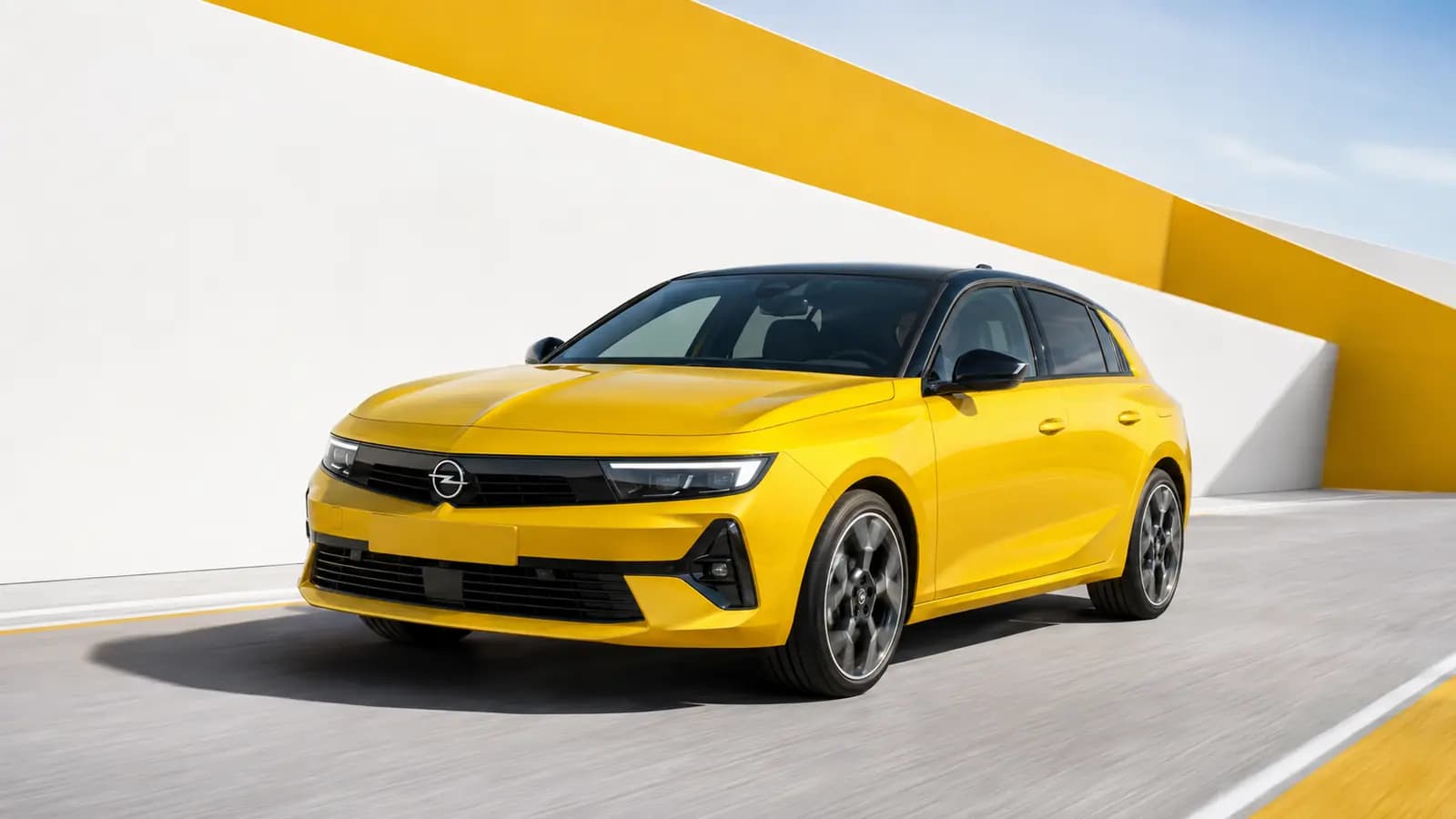
Opel is known for accessible German-designed cars that put everyday usability ahead of spectacle. The range is especially strong in compact cars and family transport, while recent models offer several powertrains in the same body style.
12
12
15
15
15
3
15
15
1
1
1
1
Adam Opel founded the company in Russelsheim in 1862 to make sewing machines. Bicycle production followed, and Opel entered car manufacturing in 1899. General Motors acquired a controlling stake in 1929 and full ownership in 1931, beginning an association that lasted for decades. Post-war Opel became a major European manufacturer through cars such as the Kadett, Rekord and later the Corsa and Astra. The Mokka helped move the range into compact SUVs, while the Insignia served larger-car buyers. PSA Group acquired Opel and Vauxhall in 2017; both became part of Stellantis in 2021. Modern Opel models share platforms and powertrains within Stellantis but retain Opel-specific design, controls and chassis tuning. The line-up now spans combustion, hybrid, plug-in hybrid and battery-electric vehicles, with availability depending on model year.
Start with the exact generation, engine, gearbox and equipment level. Opel has used quite different mechanical and electrical systems across model years, so a complete service record and a careful test drive are more useful than assumptions based on the badge alone.
The Corsa is a compact five-door car suited to urban use and commuting. Petrol and electric versions make running pattern and access to charging central to the choice.
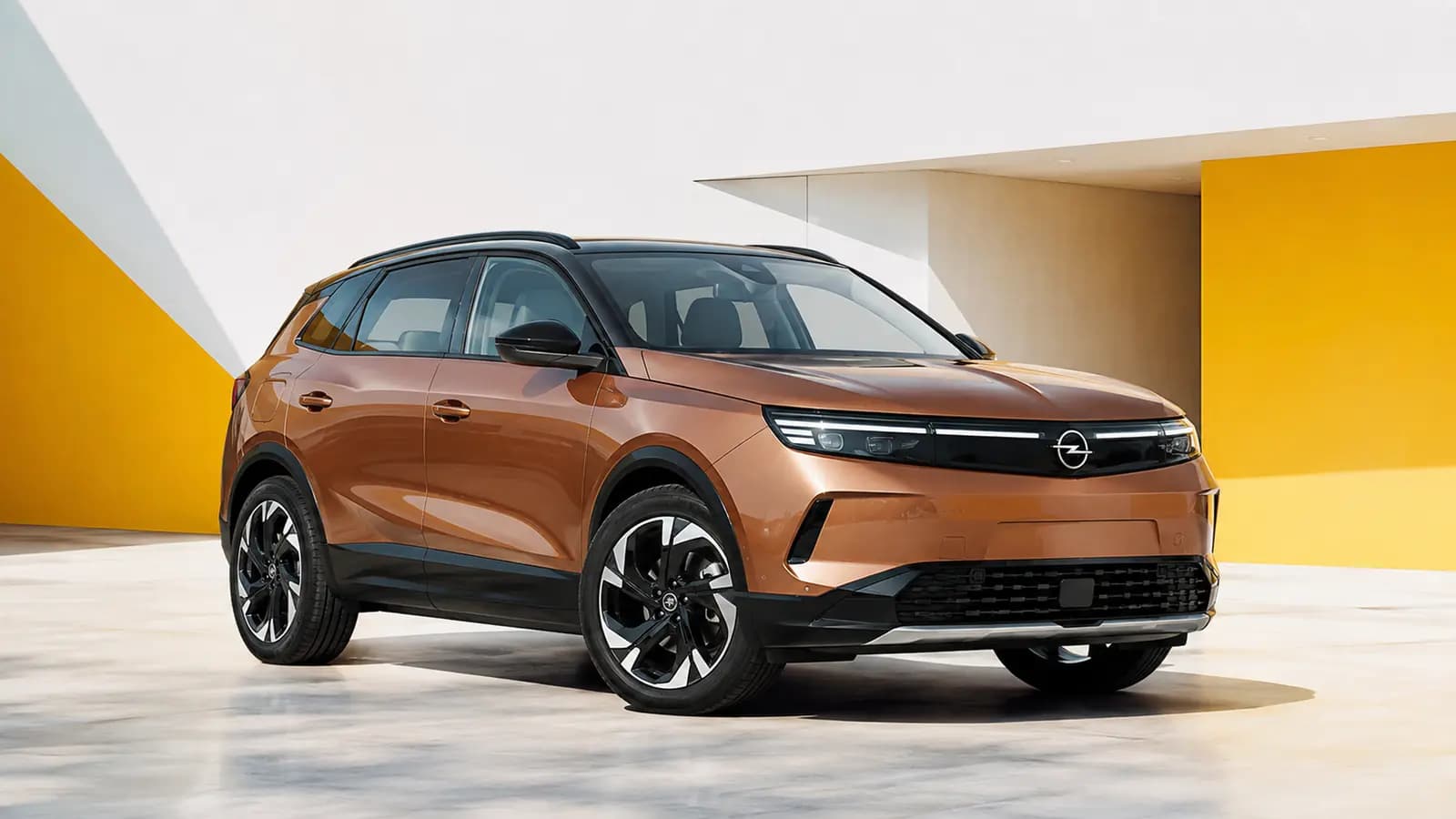
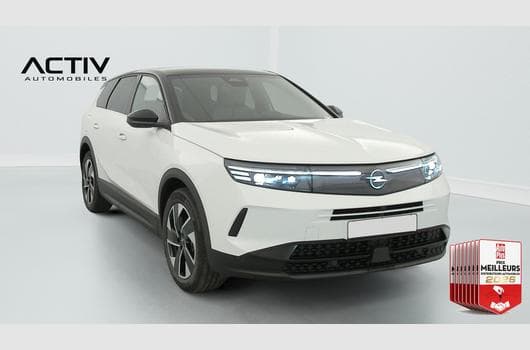
View Opel Corsa listingsThe Grandland is Opel's larger family SUV, with more cabin and luggage space than Mokka. Compare hybrid, plug-in hybrid and electric versions by towing, charging and long-distance needs.
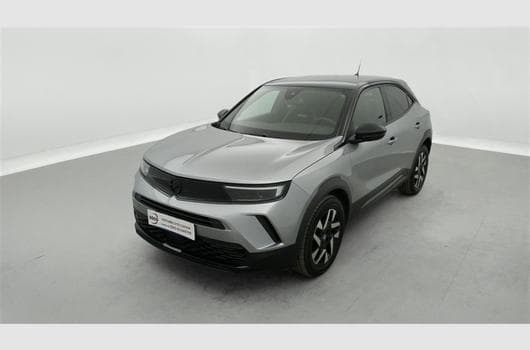
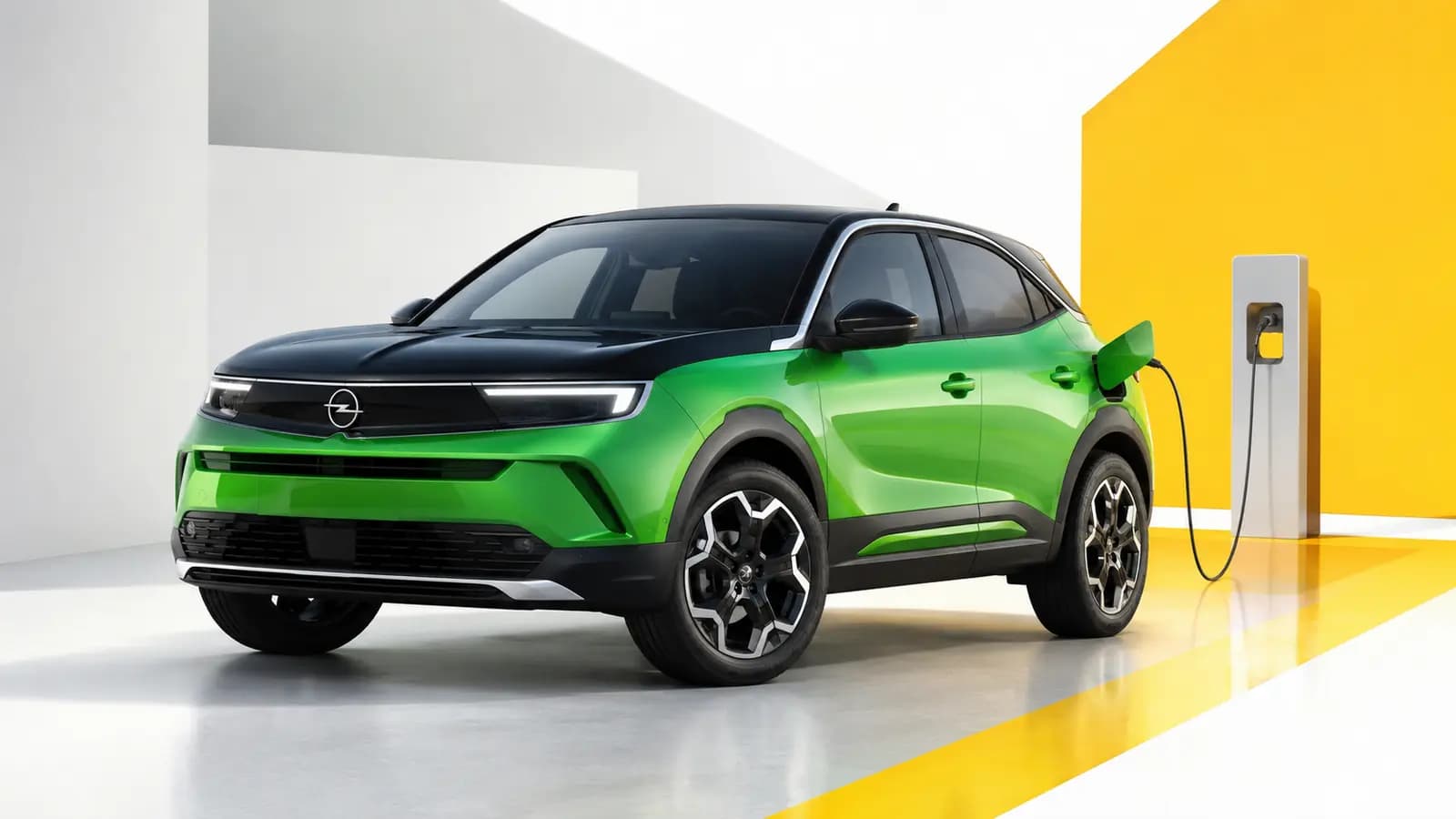
View Opel Grandland listingsThe Mokka combines compact SUV dimensions with distinctive styling. Petrol, hybrid and electric versions suit buyers who want a higher seating position without moving to a large vehicle.
View Opel Mokka listings| Category | Model | Body type | Engine type | Displacement | Power | Curb weight |
|---|---|---|---|---|---|---|
| Small cars | Opel Corsa | Hatchback | Petrol, Electric | 1.2 L | 100–156 hp | 1,173–1,544 kg |
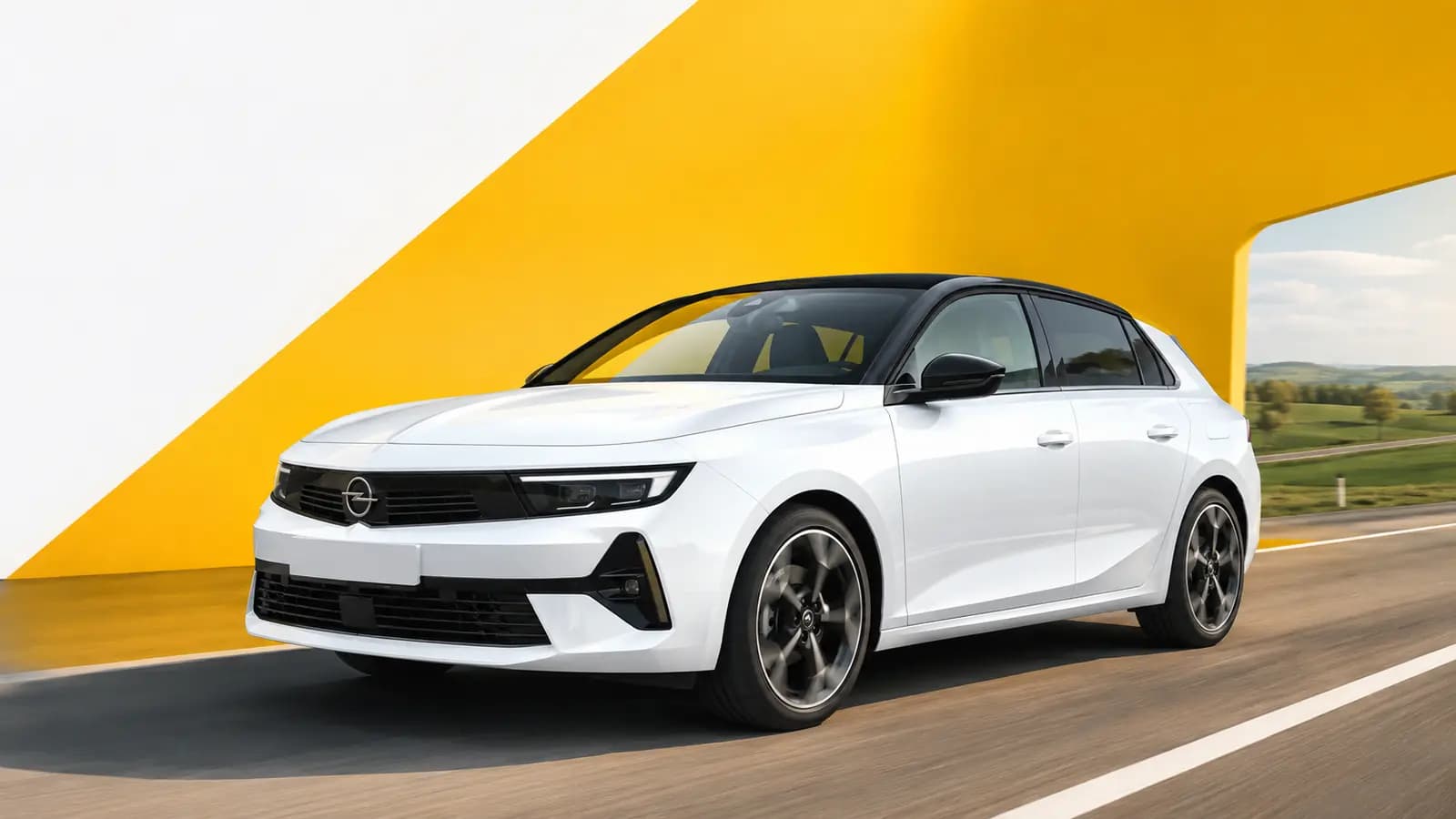
| Family cars | Opel Astra | Hatchback, Estate | Petrol, Mild Hybrid, Plug-in Hybrid, Electric | 1.2–1.6 L | 130–225 hp | 1,332–1,785 kg |
| SUVs | Opel Mokka | SUV | Petrol, Mild Hybrid, Electric | 1.2 L | 130–156 hp | 1,294–1,615 kg |
| SUVs | Opel Grandland | SUV | Mild Hybrid, Plug-in Hybrid, Electric | 1.2–1.6 L | 145–325 hp | 1,600–2,320 kg |
| SUVs | Opel Frontera | SUV | Mild Hybrid, Electric | 1.2 L | 113–145 hp | 1,344–1,624 kg |
Volkswagen, Peugeot and Ford overlap with Opel in small cars, family models and compact SUVs, but each has a different range and driving character.
Volkswagen offers close comparisons such as Polo, Golf and T-Roc, often with a wider spread of trim and drivetrain combinations.
View Volkswagen in LuxembourgPeugeot shares some Stellantis platforms and powertrains with Opel, making cabin layout, design and equipment the meaningful points of comparison.
View Peugeot in LuxembourgFord provides direct used-market alternatives including Fiesta, Focus, Puma and Kuga, with a distinct emphasis on steering and chassis feel.
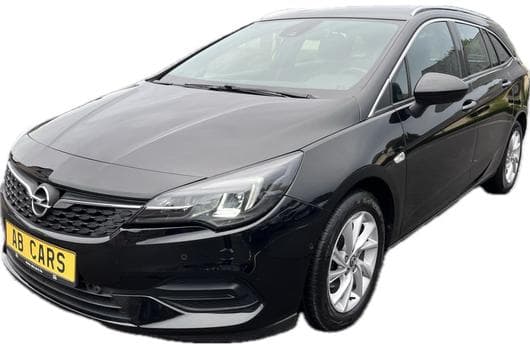
View Ford in LuxembourgThe Corsa is the natural starting point for urban driving, while the Astra offers more family space in hatchback and Sports Tourer forms. The Mokka provides a compact SUV layout, the Frontera sits above it for buyers needing extra room, and the Grandland is the largest family SUV of this group. Compare the actual boot, rear-seat space and powertrain rather than choosing by model name alone.
Start by confirming the generation, engine, gearbox and service history, because Opel has used different systems under familiar model names. On a combustion car, check a cold start, warning lights and transmission behaviour; on a plug-in hybrid or electric model, test charging and review the battery documentation. A careful road test and an independent inspection are sensible when the history is incomplete.
Opel maintenance can be manageable, but the cost depends on the car's age, powertrain, gearbox and equipment. Mainstream models on common tyre sizes are usually simpler to budget for than highly specified SUVs with large wheels, advanced lighting or high-voltage components. Review the exact service schedule and obtain insurance and repair estimates before buying.
The Corsa Electric is the easiest to place in town, while the Mokka Electric adds a higher seating position. Astra Electric offers hatchback or estate practicality, and Grandland Electric provides more family space; Frontera Electric is another SUV option between the smaller and larger models. Compare real journey length, charging access, cabin space and the battery version fitted to the individual car.
An Opel Hybrid uses a small battery that is charged while driving and does not plug in. A Plug-in Hybrid combines an externally rechargeable battery with a combustion engine, whereas an Electric model has no combustion engine and relies entirely on charging. The best choice depends on whether regular charging is available and how often the car makes longer journeys.