What is Land Rover known for?
Land Rover is known for purpose-built four-wheel-drive vehicles, luxury SUVs and the long-running Defender and Range Rover families. Its identity is reinforced by Terrain Response, although equipment and system design vary by model, generation and trim.
- The marque’s documented roots reach back to 1948 in Britain.
- Terrain Response is a defining reference, but its function varies by model and year.
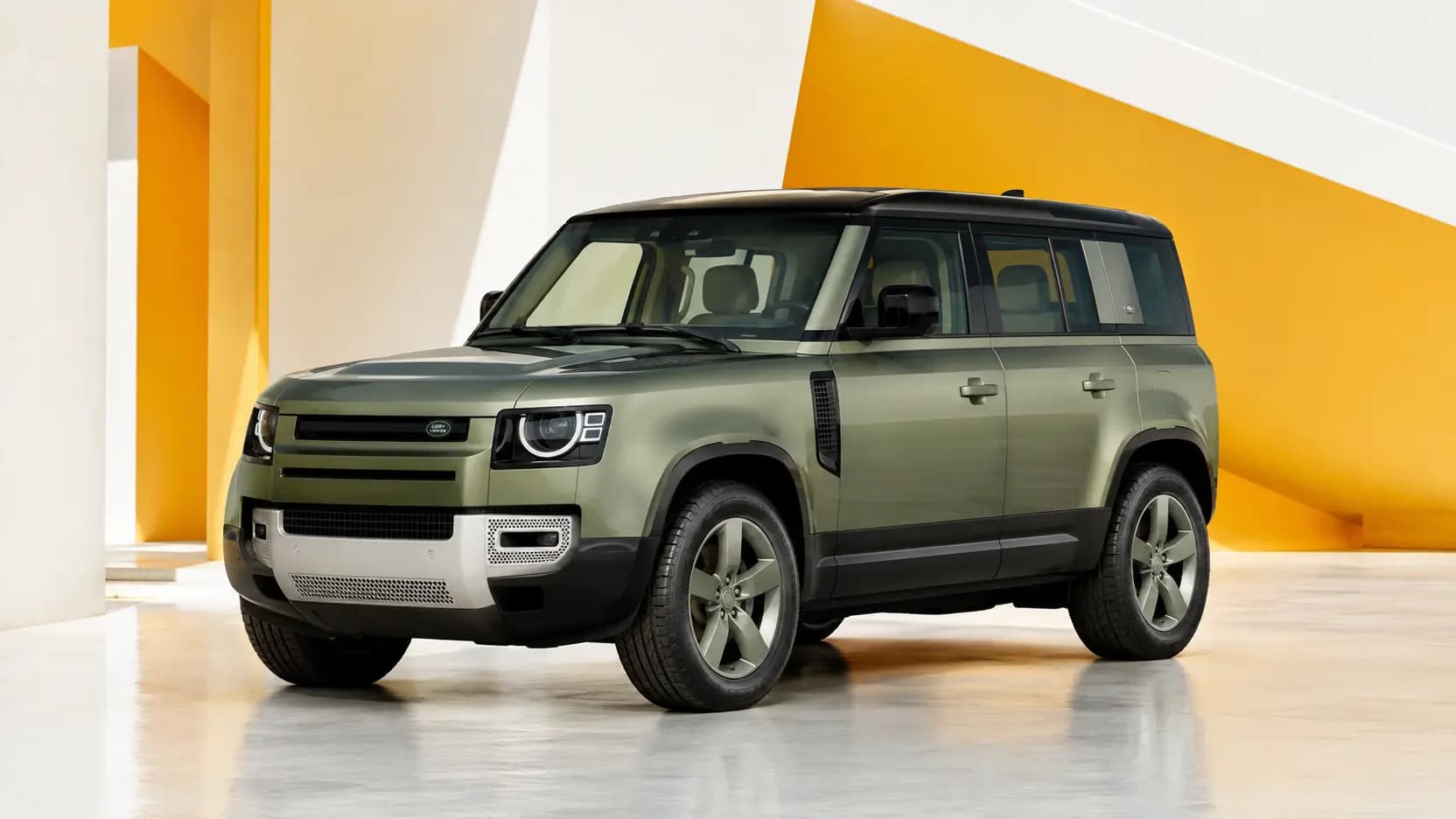
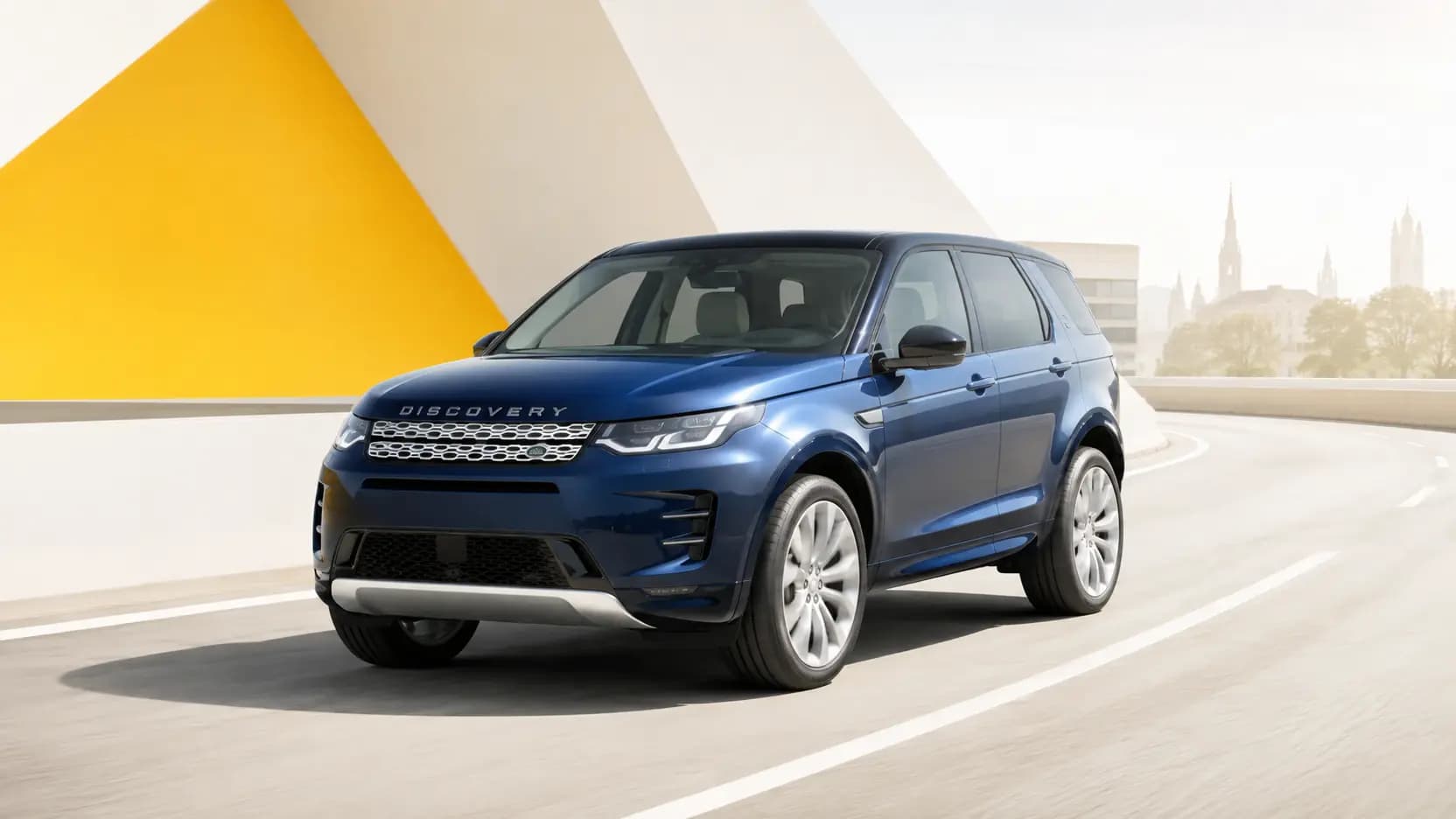
- The used range covers Defender, Range Rover Evoque, Discovery Sport and other distinct formats.
- Powertrains span Petrol, Diesel, Mild Hybrid, Plug-in Hybrid across the models represented here.
- Equipment, wheel size and driver-assistance content must be checked on the individual car.
What is the history of Land Rover?
The first Land Rover was shown at the Amsterdam Motor Show in 1948 after Maurice Wilks helped shape a simple utility 4x4 for the Rover Company.
Range Rover arrived in 1970 and added road comfort to genuine off-road ability. Discovery followed in 1989, Freelander in 1997 and Range Rover Evoque in 2011.
Jaguar Land Rover was formed under Tata Motors ownership in 2008. Current and recent European vehicles span Defender, Discovery and Range Rover families, with mild-hybrid and plug-in-hybrid versions alongside petrol and diesel models.
What should you check when buying a used Land Rover?
A used Land Rover should be judged by its exact generation, engine or electric drivetrain, transmission and equipment. A complete invoice-backed history, a long road test and an independent inspection are more useful than assumptions based on the badge.
- Confirm the exact generation, wheelbase and seating layout because Defender, Discovery and Range Rover derivatives differ substantially.
- Test Terrain Response, low-range functions where fitted, height-adjustable air suspension and every selectable drive mode.
- Inspect the underbody, tow equipment, wheels and tyres for off-road or heavy-trailer use, and check that all four tyres match in size and have similar wear.
- On Ingenium petrol and diesel vehicles, verify the correct service schedule and investigate warning lights, fluid loss, smoke or unusual cold-start noise.
- Exercise the automatic gearbox from cold to fully warm and listen for vibration or noise from differentials, transfer case and wheel bearings.
- Check air suspension for slow lifting, uneven stance or overnight settling on models that use it.
- Test cameras, parking sensors, powered seats, climate control, infotainment, heated screens and every supplied key.
- For PHEVs, test AC charging and EV mode, inspect the cable and charge port, and review battery, cooling-system and software records.
Show 3 moreShow less