Volvo XC60
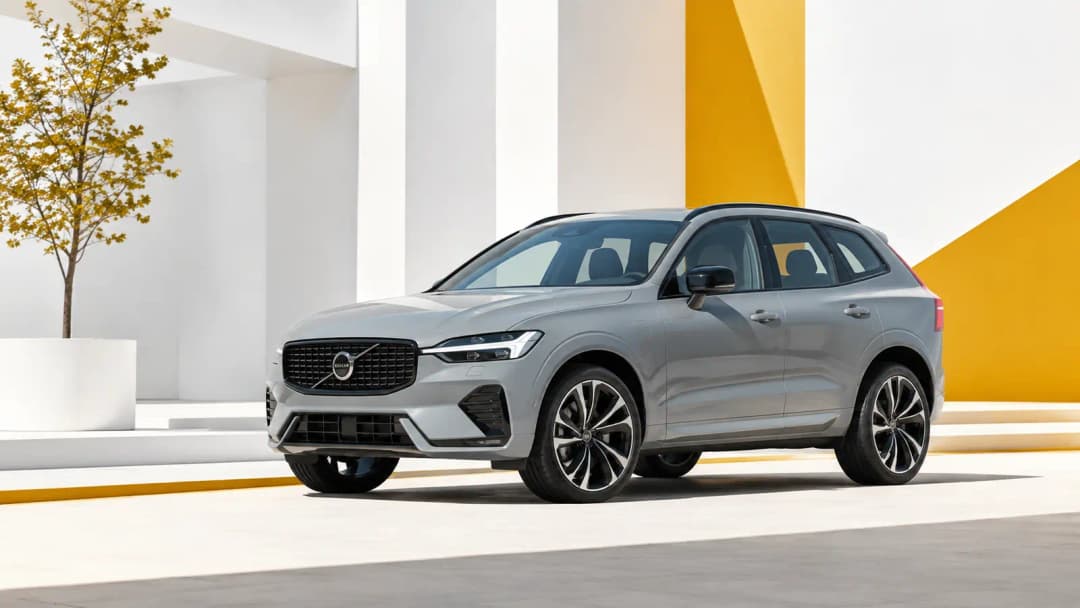
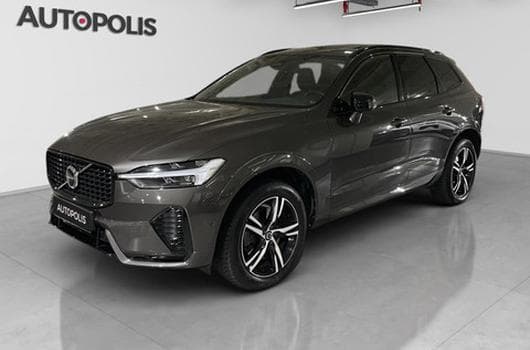
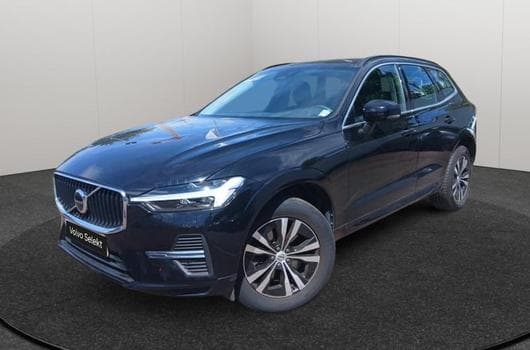
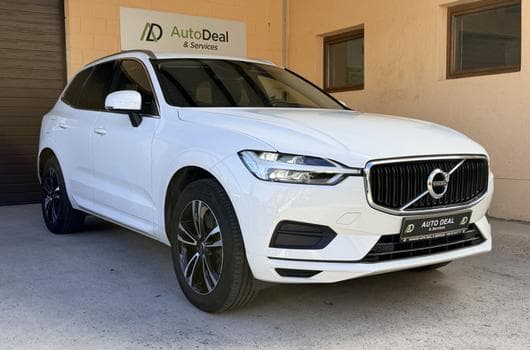
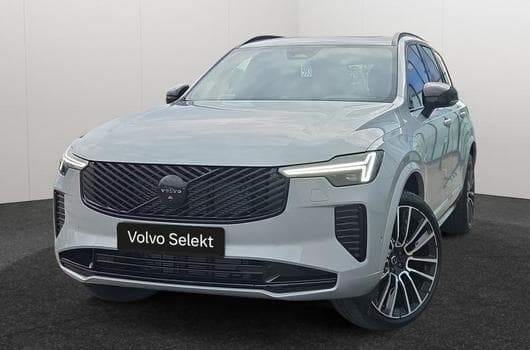
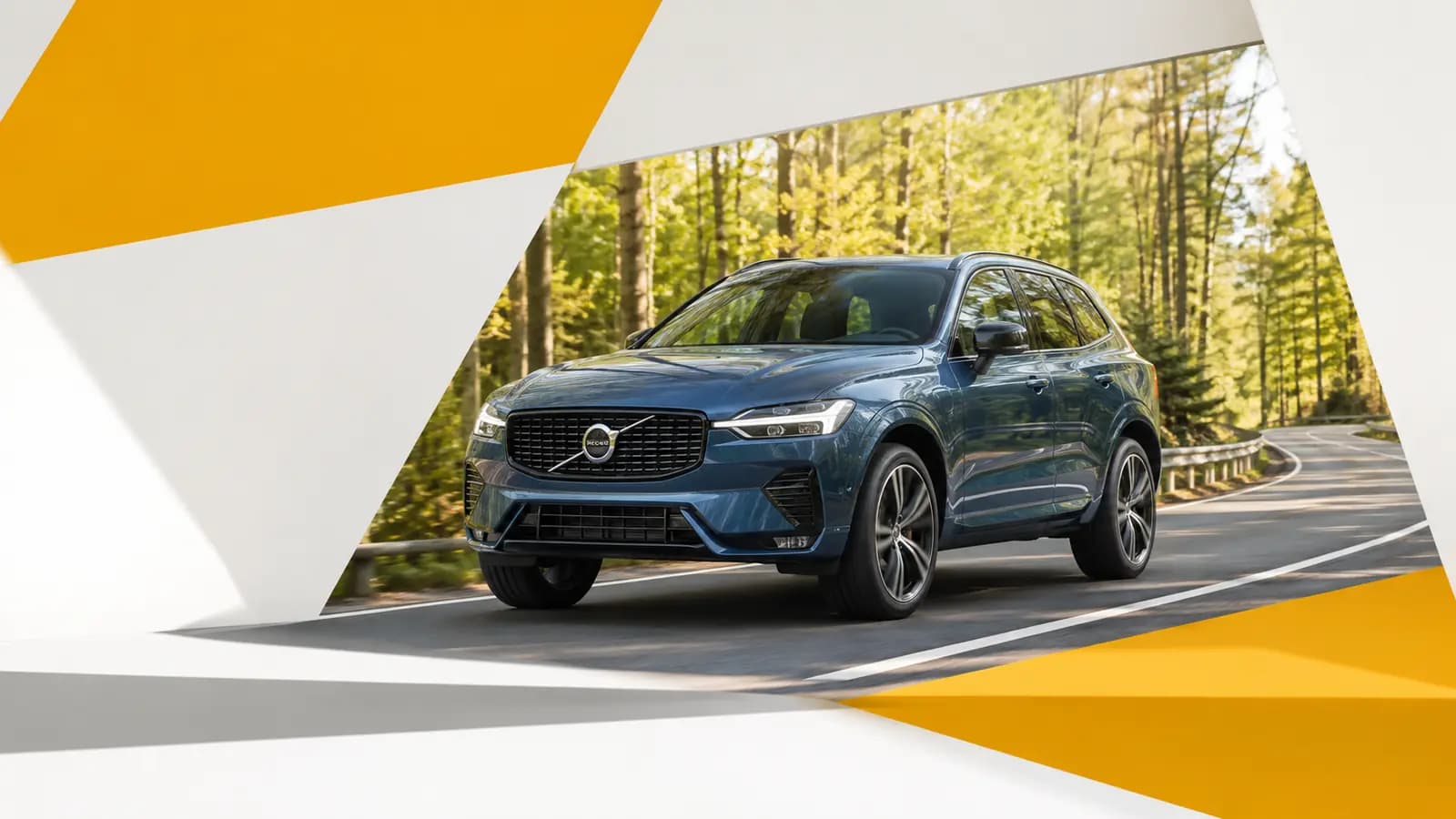
The XC60 is a medium family SUV balancing cabin space with easier dimensions than XC90. Mild-hybrid and plug-in hybrid versions suit different charging and journey patterns.
View Volvo XC60 listingsVolvo
Volvo focuses on practical estates, family SUVs and an expanding electric range, with restrained Scandinavian design and extensive driver-assistance equipment. Used buyers should compare model year, powertrain and option packs carefully.
View listings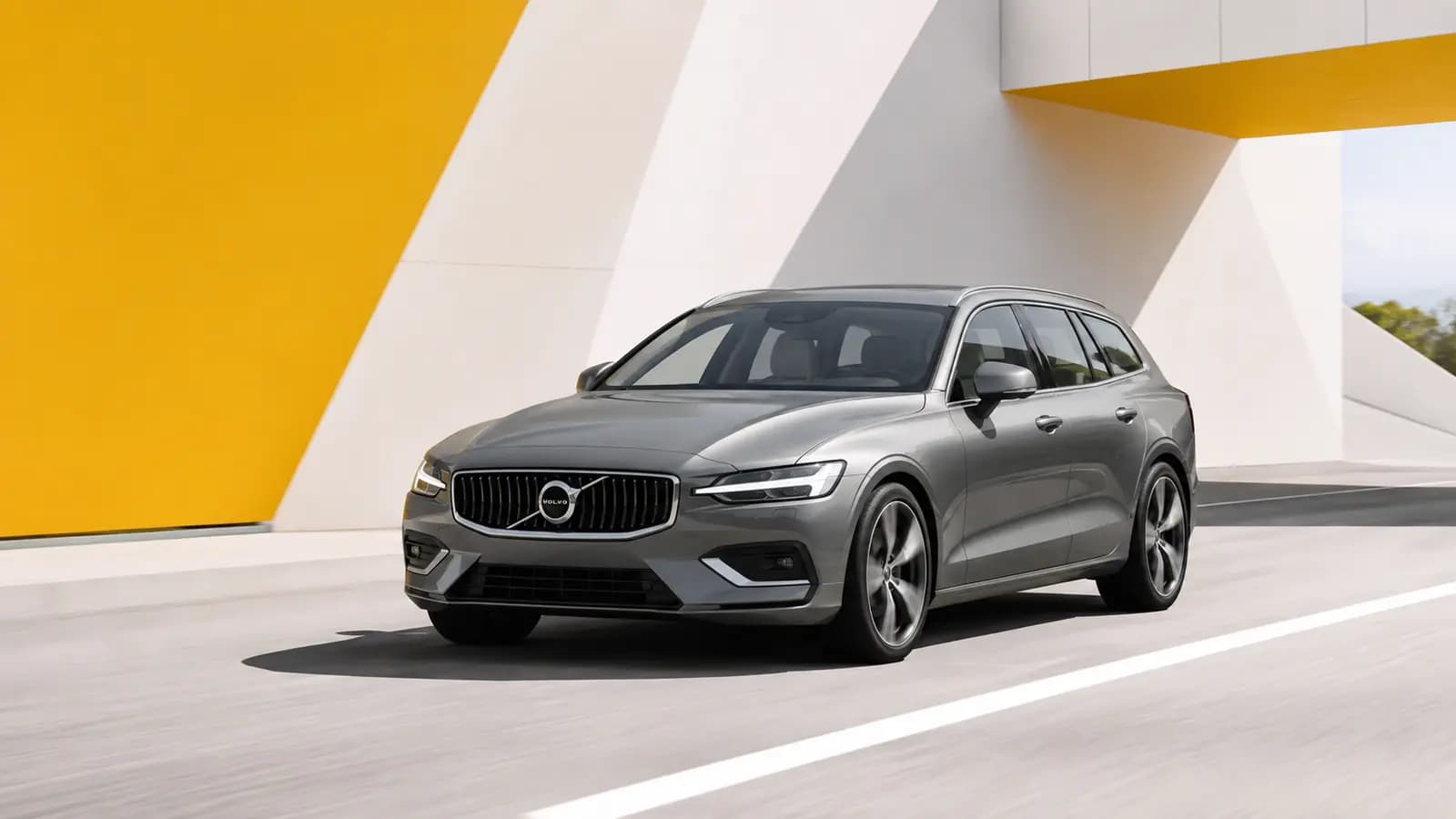
Volvo is closely associated with occupant protection, family-focused estates and SUVs, and understated Scandinavian design. Safety engineering is important to the brand, but equipment and system capability vary by generation.
15
15
14
15
15
15
3
3
14
15
11
12
Volvo was founded in Gothenburg and built its first production car in 1927. The company developed cars for Scandinavian conditions and made safety a central engineering theme. Engineer Nils Bohlin's three-point seat belt entered production in 1959. Estates such as the 240 and 850 became defining products, while the 1990s also brought front-wheel drive and the S and V naming system. The first XC90, launched in 2002, established Volvo in large family SUVs. Ford owned Volvo Cars from 1999 until Zhejiang Geely Holding acquired it in 2010. Recent Volvo ranges moved through Drive-E four-cylinder engines, mild hybrids and Recharge plug-in hybrids toward dedicated electric models. EX30 and EX40 now sit alongside electrified XC and V models, with specification varying by year and market.
A Volvo should be assessed by platform, model year, engine and equipment rather than by safety reputation alone. The complexity of driver assistance, infotainment and electrified powertrains makes complete records and a diagnostic inspection particularly useful.
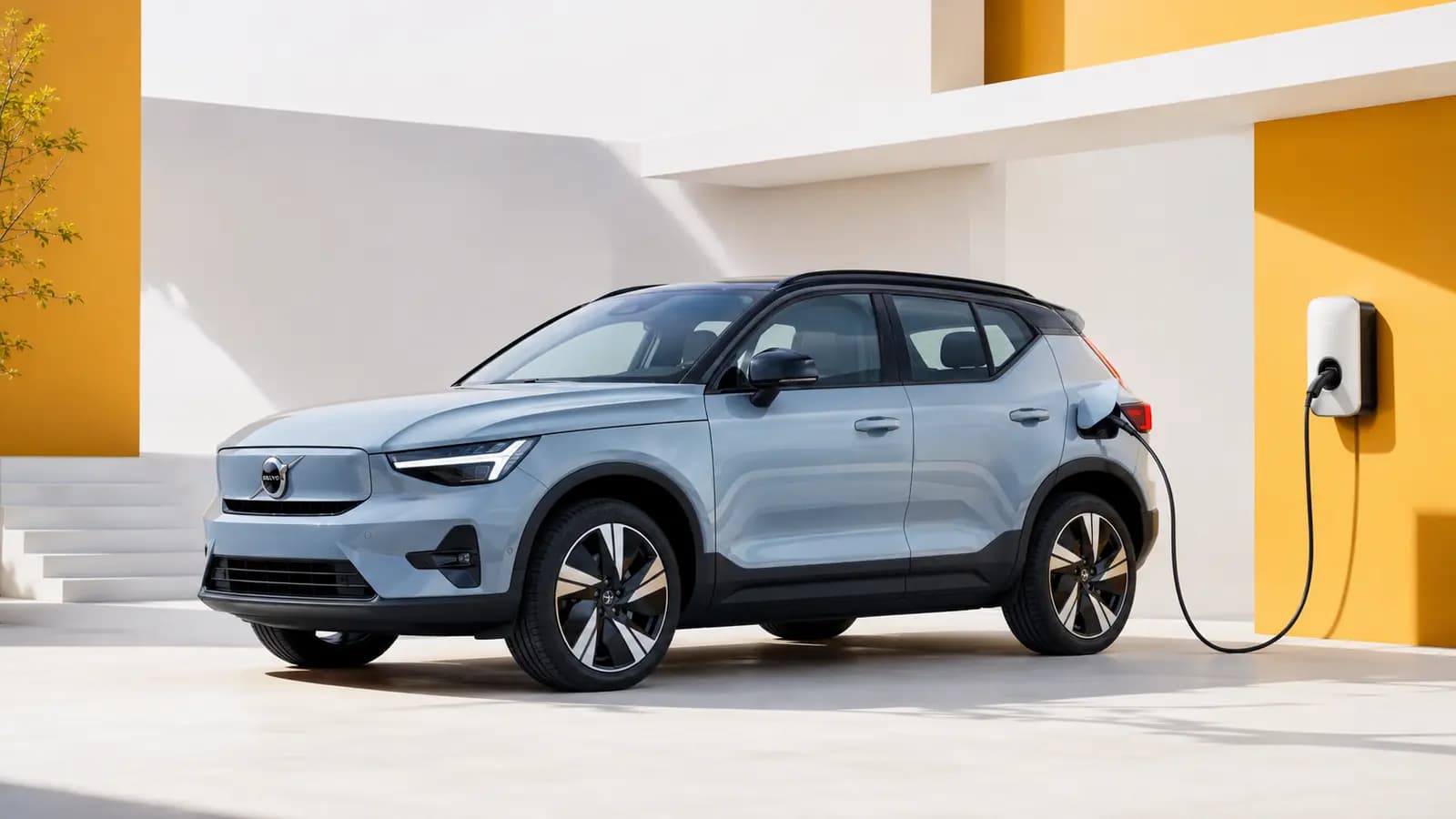
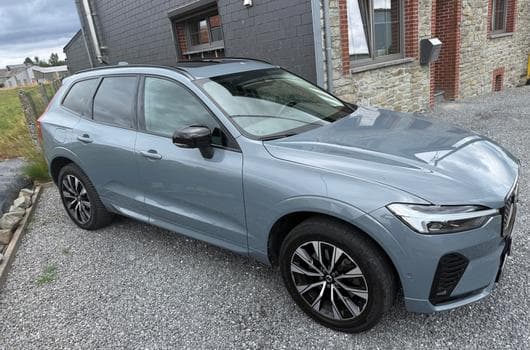
The XC60 is a medium family SUV balancing cabin space with easier dimensions than XC90. Mild-hybrid and plug-in hybrid versions suit different charging and journey patterns.
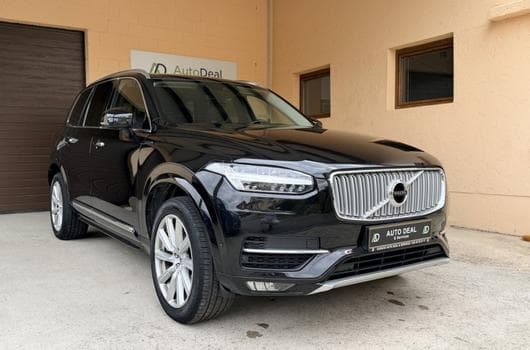
View Volvo XC60 listingsThe XC90 is Volvo's large SUV and can offer seven seats. Its size, tyre costs, parking needs and plug-in hybrid charging routine deserve consideration before purchase.
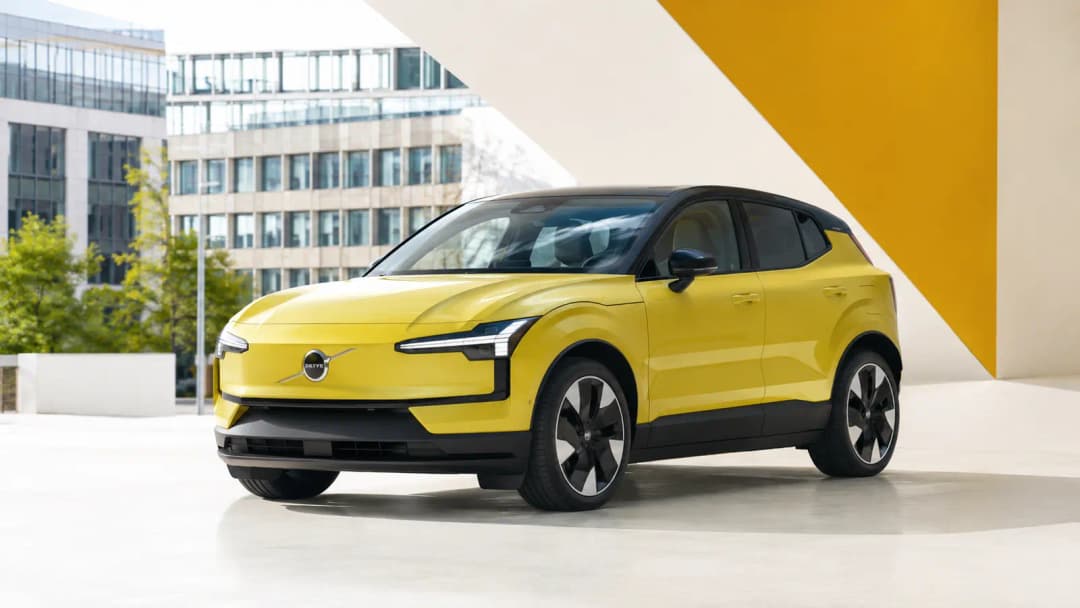
View Volvo XC90 listingsThe EX30 is Volvo's smallest battery-electric SUV and uses a minimalist cabin interface. Compare Single Motor and Twin Motor versions for range, performance, insurance and traction needs.
View Volvo EX30 listings| Category | Model | Body type | Engine type | Displacement | Power | Curb weight |
|---|---|---|---|---|---|---|
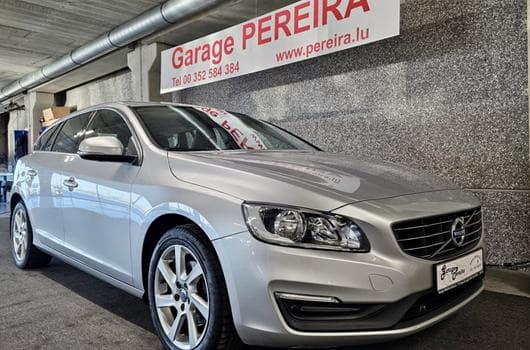
| Family cars | Volvo V60 | Estate | Mild Hybrid, Plug-in Hybrid | 2.0 L | 197–455 hp | 1,734–2,064 kg |
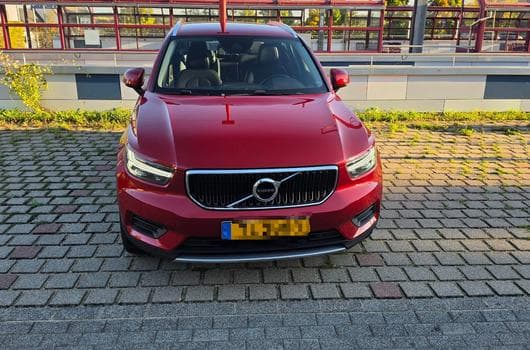
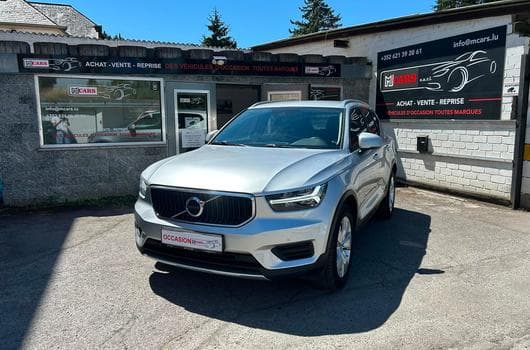
| SUVs | Volvo XC40 | SUV | Mild Hybrid | 2.0 L | 163–197 hp | 1,688–1,775 kg |
| SUVs | Volvo XC60 | SUV | Mild Hybrid, Plug-in Hybrid | 2.0 L | 250–455 hp | 1,900–2,150 kg |
| SUVs | Volvo XC90 | SUV | Mild Hybrid, Plug-in Hybrid | 2.0 L | 250–455 hp | 2,075–2,297 kg |
| Electric models | Volvo EX30 | Crossover SUV | Electric | Not applicable | 272–428 hp | 1,833–1,960 kg |
| Electric models | Volvo EX40 | SUV | Electric | Not applicable | 238–442 hp | 1,990–2,190 kg |
Audi, BMW and Mercedes-Benz cover similar premium family-car territory but place different emphasis on cabin design, handling and model variety.
Audi provides a broad choice of Avant estates, Q SUVs and e-tron electric models, often with more drivetrain and trim combinations.
View Audi in LuxembourgBMW is the sharper dynamic comparison, with rear- and all-wheel-drive models plus an expanding electric range.
View BMW in LuxembourgMercedes-Benz offers close comfort-led alternatives, especially estates and larger SUVs, with a different infotainment and interior approach.
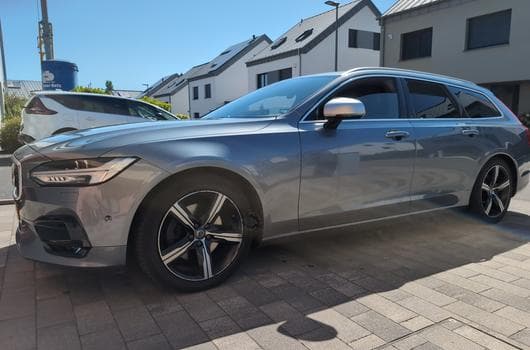
View Mercedes-Benz in LuxembourgThe V60 offers low-loading estate practicality, while the XC60 suits families who prefer a medium SUV and higher seating position. The XC90 adds more cabin space and the possibility of seven seats, whereas the EX30 is substantially smaller. Try the rear seats and boot with the family's usual luggage because similar exterior dimensions can conceal meaningful packaging differences.
Check the service and campaign records, then investigate warning messages, gearbox behaviour, tyres, brakes and any signs of previous repair. Test the infotainment, cameras, driver-assistance features, climate control and powered seats because equipment varies widely. Plug-in hybrid and electric models also need a charging test and a review of battery and software documentation.
A used Volvo can be costly to maintain when it is large, powerful or heavily equipped, but the budget varies by model and powertrain. Large wheels, complex lighting, adaptive suspension, advanced seats and high-voltage components can make an XC90 or a high-specification car more expensive than a simpler V60 or XC40. Check insurance, tyre prices and model-specific servicing before committing.
The EX30 is the compact option, while the EX40 offers more cabin space and a higher, more conventional SUV shape. Used C40 Recharge or EC40 models share related underpinnings with a more coupe-like roofline. Compare battery and motor version, charging speed, rear-seat access, luggage space and insurance rather than relying on the name alone.
Recharge has been used for both plug-in hybrids and battery-electric Volvo models. A Recharge badge therefore does not confirm whether the car has a petrol engine or runs only on electricity. Check the model year, full technical specification and charging connector before comparing running costs or electric range.