Porsche 911
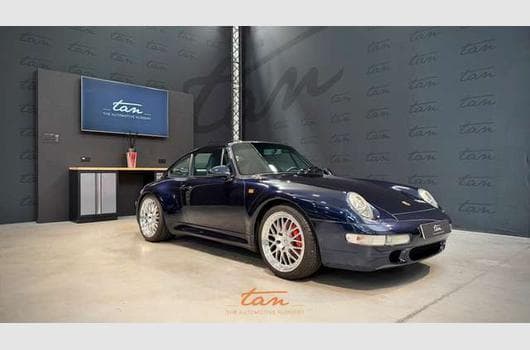
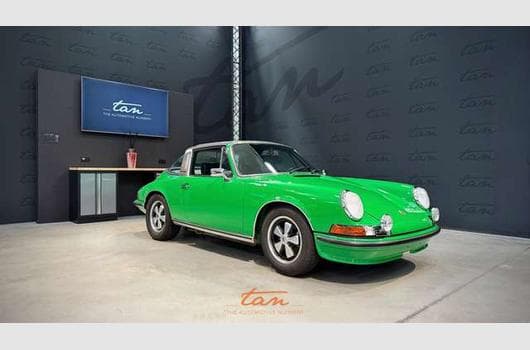
Iconic sports car offered in multiple generations and performance variants.
View Porsche 911 listingsPorsche
Porsche offers sports cars, luxury SUVs, performance saloons and electric models for buyers who value engineering depth and driver appeal. This guide helps you compare used Porsche cars in Luxembourg by model, technical data, condition checks, running-cost considerations and alternatives before browsing listings.
View listings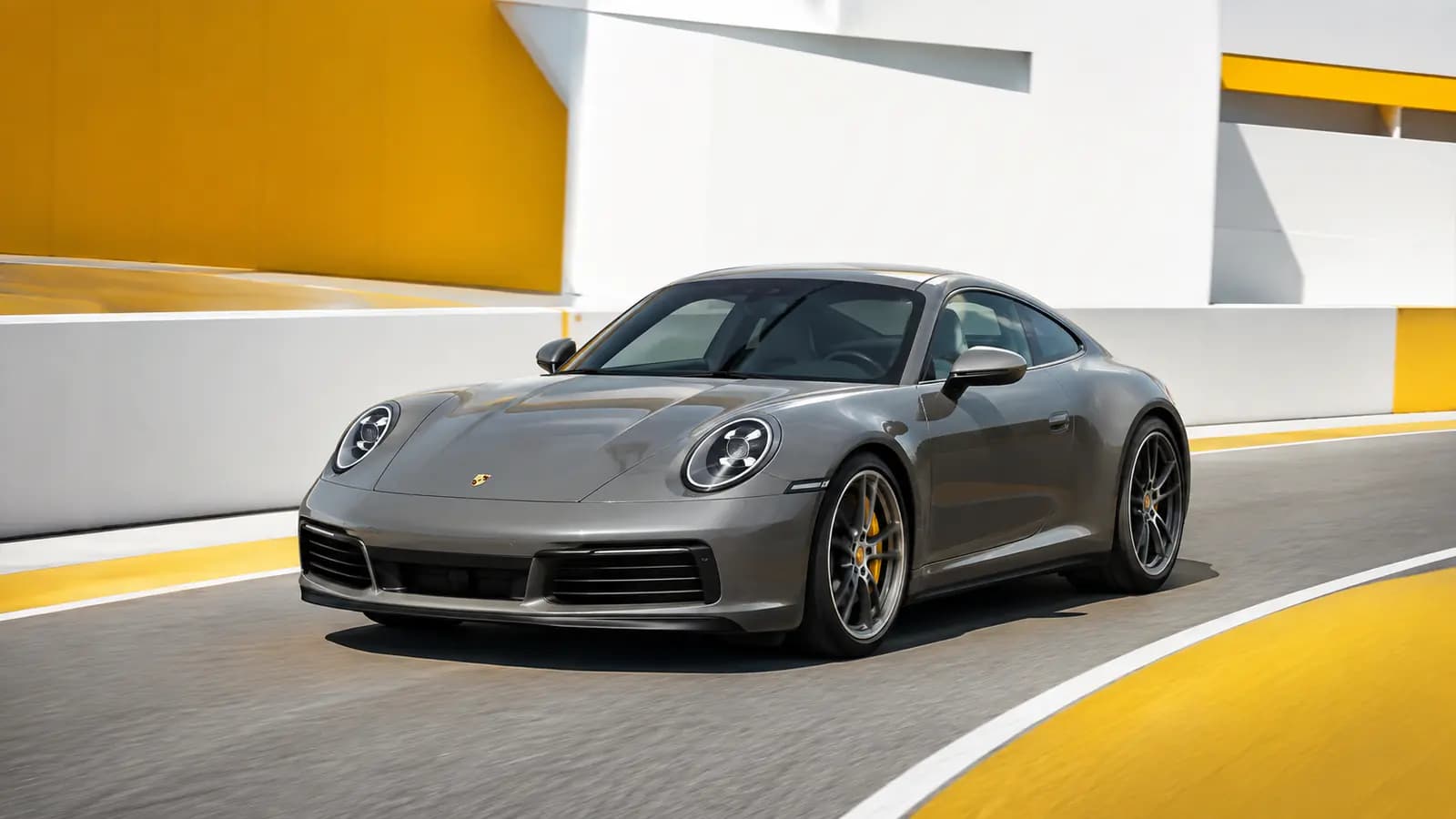
Porsche is known for sports-car engineering, precise handling and a model range that now includes SUVs, luxury saloons and electric performance cars. Used buyers usually compare Porsche for driving feel, brand heritage and the need for strong maintenance evidence.
1
15
15
15
15
15
15
15
15
15
New price
12
15
Porsche began building cars under its own name in 1948 with the 356, then established one of the most recognisable sports-car lines with the 911 in the 1960s. Motorsport activity, rear-engine development and continual evolution helped make the 911 central to the brand’s identity. Porsche later broadened its range while keeping a performance focus. The Boxster and Cayman added mid-engine sports-car choices, the Cayenne and Macan brought Porsche into the SUV market, and the Panamera added a luxury performance saloon. The Taycan introduced a fully electric Porsche line, followed by electric SUV development. For used buyers, that variety means a Porsche can be a weekend car, a family SUV or an electric performance car, but each version needs model-specific checks.
A used Porsche should be assessed through specialist maintenance history, mechanical condition and the exact model variant. Specification, tyre choice, brake type and previous use can affect ownership costs as much as mileage.
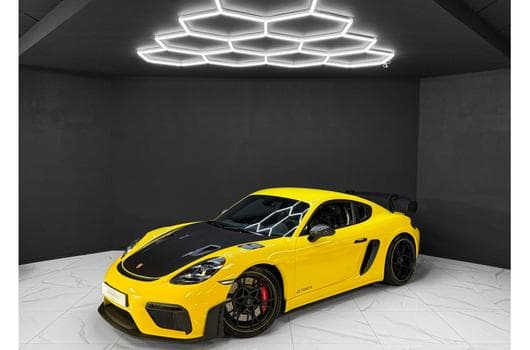
Iconic sports car offered in multiple generations and performance variants.
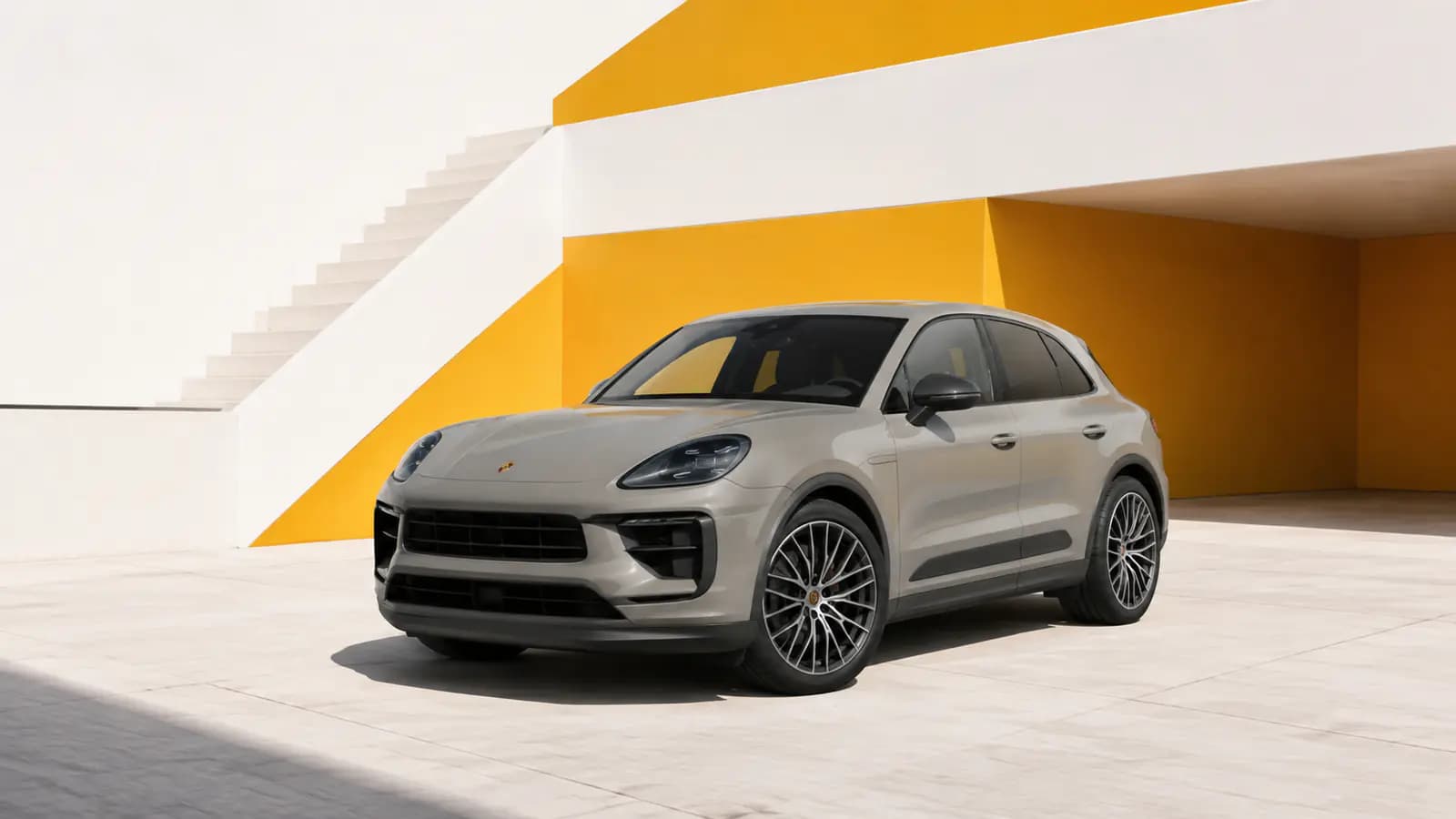
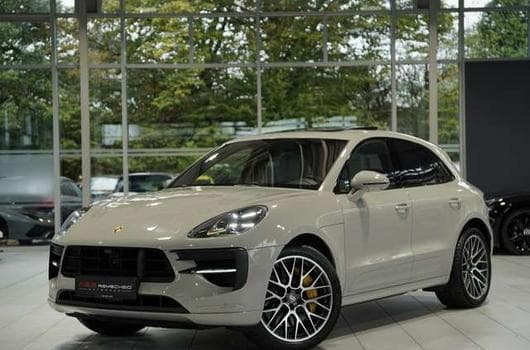
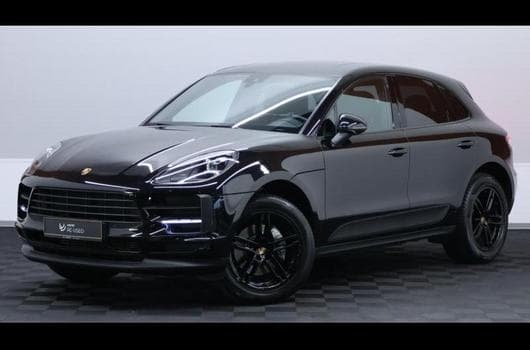
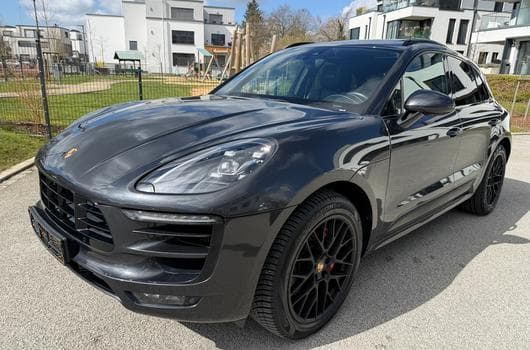
View Porsche 911 listingsCompact premium SUV combining everyday usability and performance.
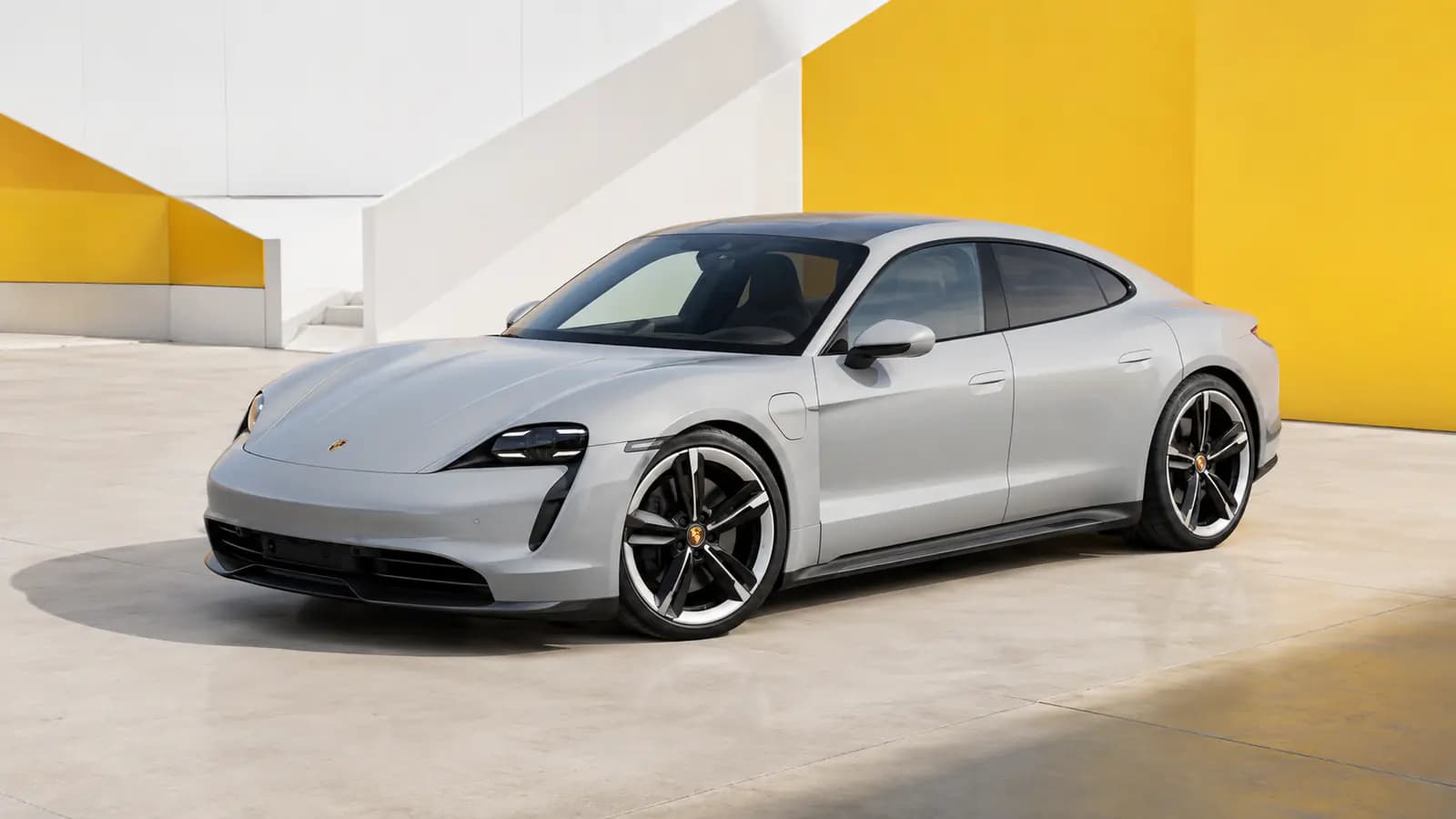
View Porsche Macan listingsElectric performance car for buyers comparing Porsche EV ownership.
View Porsche Taycan listings| Category | Model | Body type | Engine type | Displacement | Power | Curb weight |
|---|---|---|---|---|---|---|
| Sports cars | Porsche 911 | Coupé, Cabriolet, Targa | Petrol, Hybrid | 3.0–4.0 L | 394–711 hp | 1,520–1,820 kg |
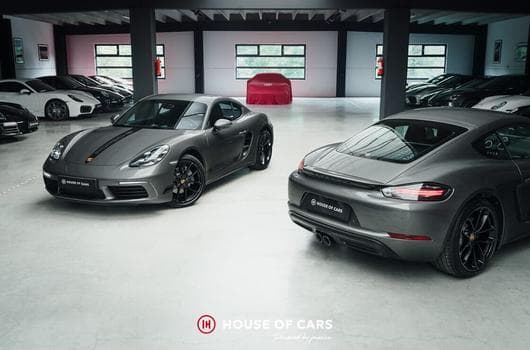
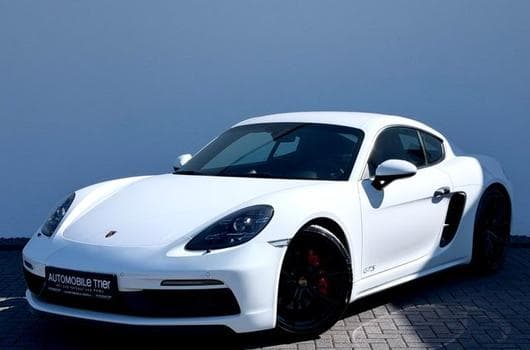
| Sports cars | Porsche 718 Cayman | Coupé | Petrol | 2.0–4.0 L | 300–500 hp | 1,365–1,490 kg |
| Luxury cars | Porsche Panamera | Luxury saloon | Petrol, Plug-in Hybrid | 2.9–4.0 L | 353–782 hp | 1,935–2,370 kg |
| Compact SUVs | Porsche Macan | SUV | Petrol, Electric | 2.0–2.9 L; Not applicable for electric | 265–639 hp | 1,845–2,405 kg |
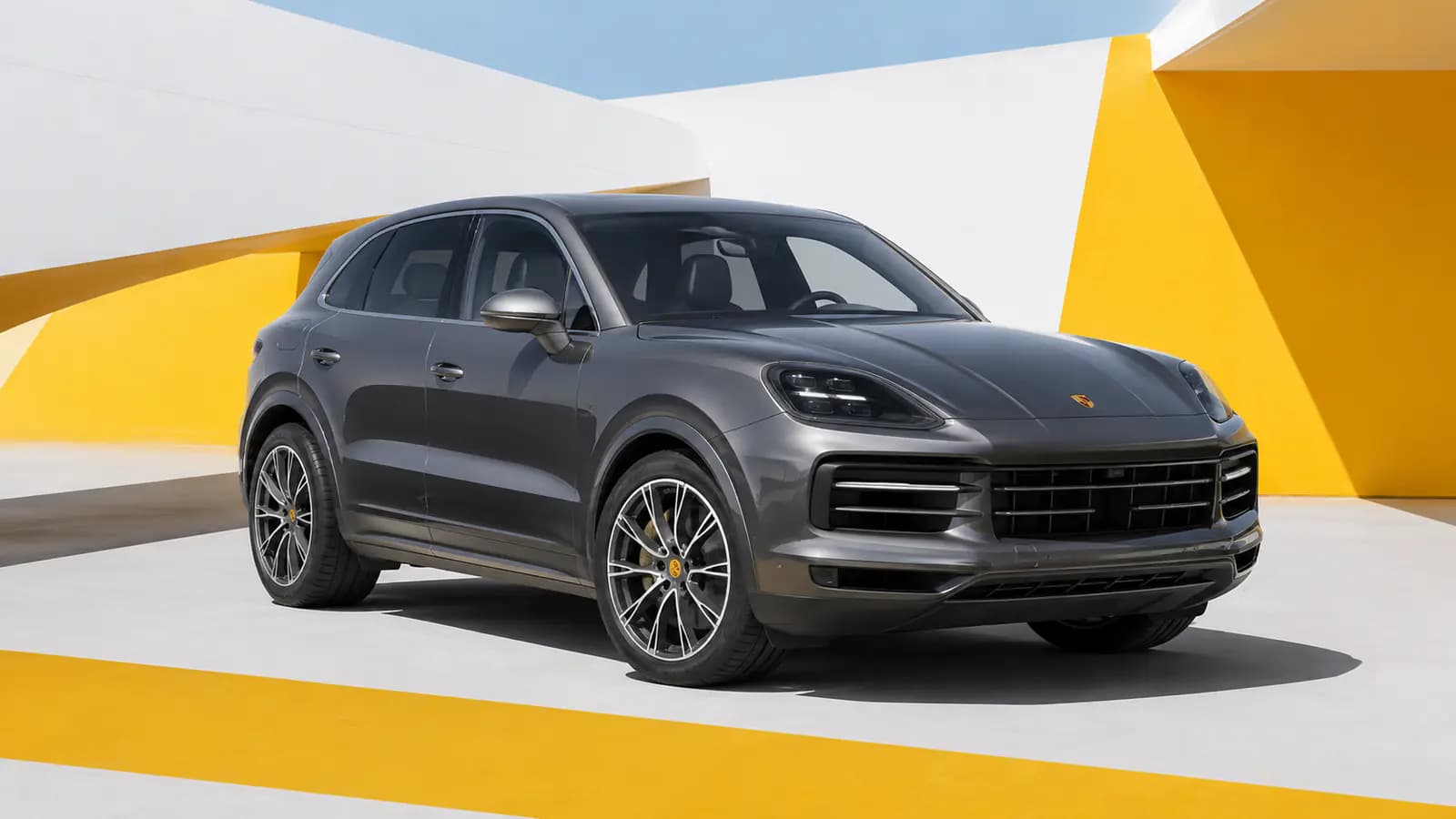
| Large SUVs | Porsche Cayenne | SUV, Coupé SUV | Petrol, Plug-in Hybrid | 3.0–4.0 L | 353–739 hp | 2,130–2,595 kg |
| Electric cars | Porsche Taycan | Electric saloon, Cross Turismo, Sport Turismo | Electric | Not applicable | 408–1,034 hp | 2,090–2,415 kg |
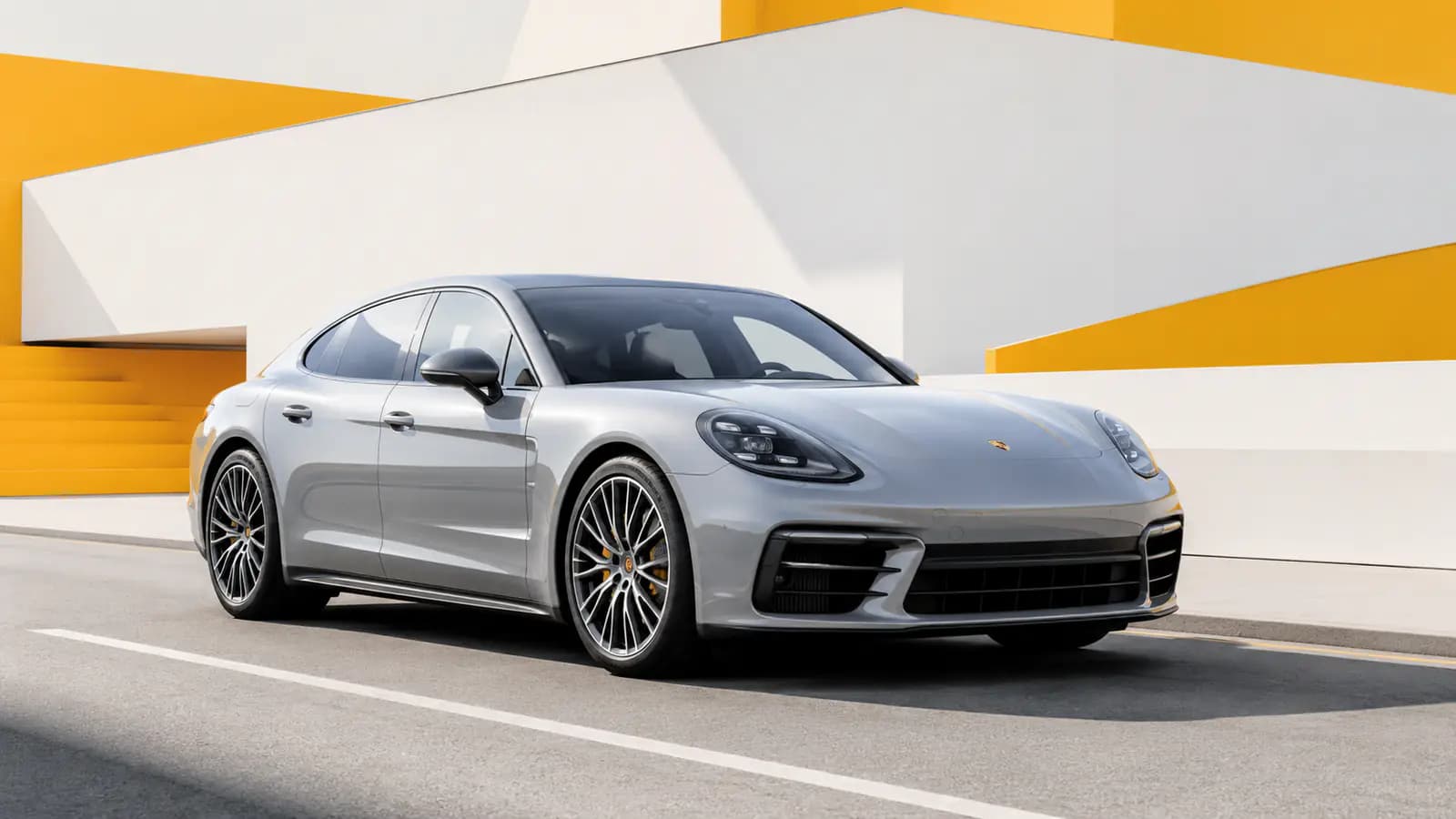
Good Porsche alternatives include premium brands with strong performance, luxury SUV or electric-car choices.
Premium performance alternatives with broader everyday model coverage.
Browse BMW cars in LuxembourgLuxury and performance alternatives across several body styles.
Browse Mercedes cars in LuxembourgPremium performance and electric alternatives within the wider group.
Browse Audi cars in LuxembourgThe best used Porsche depends on whether you want a sports car, an everyday SUV or an electric performance car. The 911 is the classic sports-car choice, while the 718 Cayman gives a more compact mid-engine feel. The Macan is easier to use daily, and the Cayenne offers more family space. The Taycan suits buyers with charging access who want electric performance.
Before buying a used Porsche, check specialist service history, invoices, tyre condition, brakes and suspension wear. Inspect bodywork and wheels for accident repairs or track-related use. Test PDK operation, drive modes, active suspension and all warning lights. For Taycan, electric Macan or plug-in hybrid models, review charging history, battery warranty and software updates. A Porsche specialist inspection is strongly recommended.
A used Porsche can be expensive to maintain because tyres, brakes, performance parts and specialist labour often cost more than on mainstream cars. Costs vary sharply by model, engine, options and previous use. A well-documented Macan may be easier to budget for than a poorly maintained high-performance 911. Always review service invoices and plan for preventative maintenance, not only repairs.
The Taycan is the main used electric Porsche to compare and suits buyers who want performance, refinement and fast charging. The electric Macan is relevant for newer SUV buyers where available. Compare battery condition, charging capability, software history and tyre wear. Electric Porsche models can be heavy and powerful, so brakes, tyres and suspension should be checked carefully before purchase.
The Macan is usually the easiest Porsche to use every day because it combines SUV access, manageable size and practical luggage space. The Cayenne offers more space but is larger and heavier. The Panamera suits long-distance comfort, while the 911 and 718 are more focused sports cars. Daily usability also depends on tyres, suspension specification, parking needs and running-cost expectations.