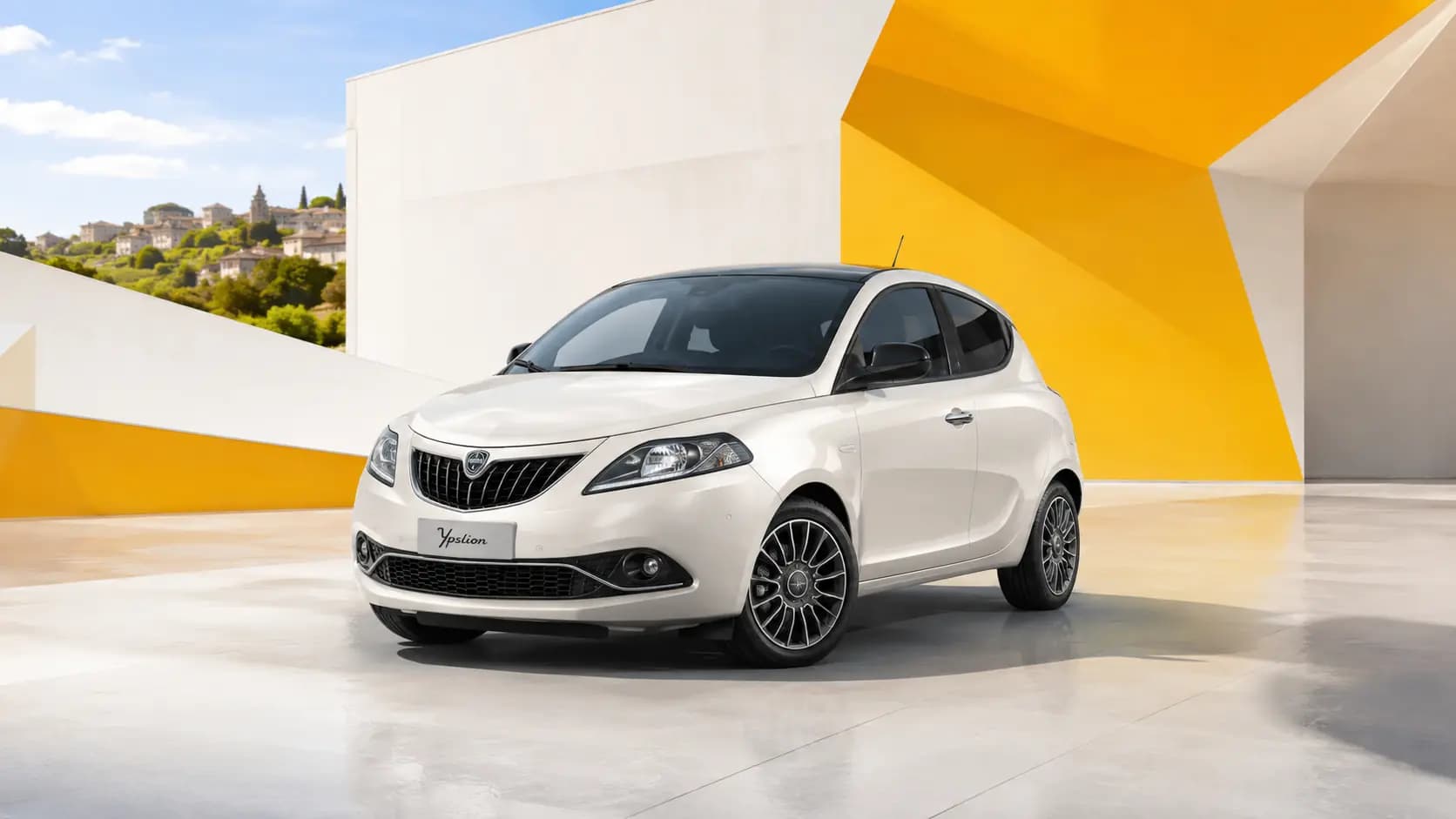
Lancia Ypsilon
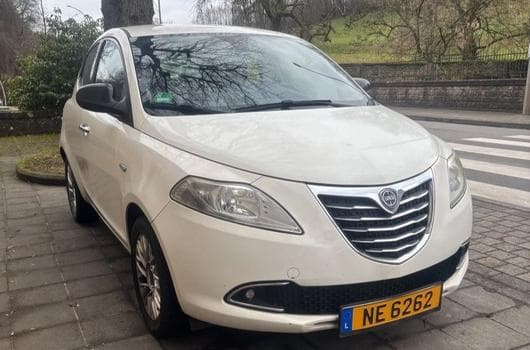
A practical entry point to the range. The hatchback format and petrol, mild hybrid, electric choices make generation, space and running needs the important comparison points.
View Lancia Ypsilon listingsLancia
Lancia spans Italian small cars, saloons and historic performance models, with distinctive design, technical innovation and a celebrated rally heritage. Compare representative models, powertrains and practical used-car checks before contacting a seller in Luxembourg.
View listings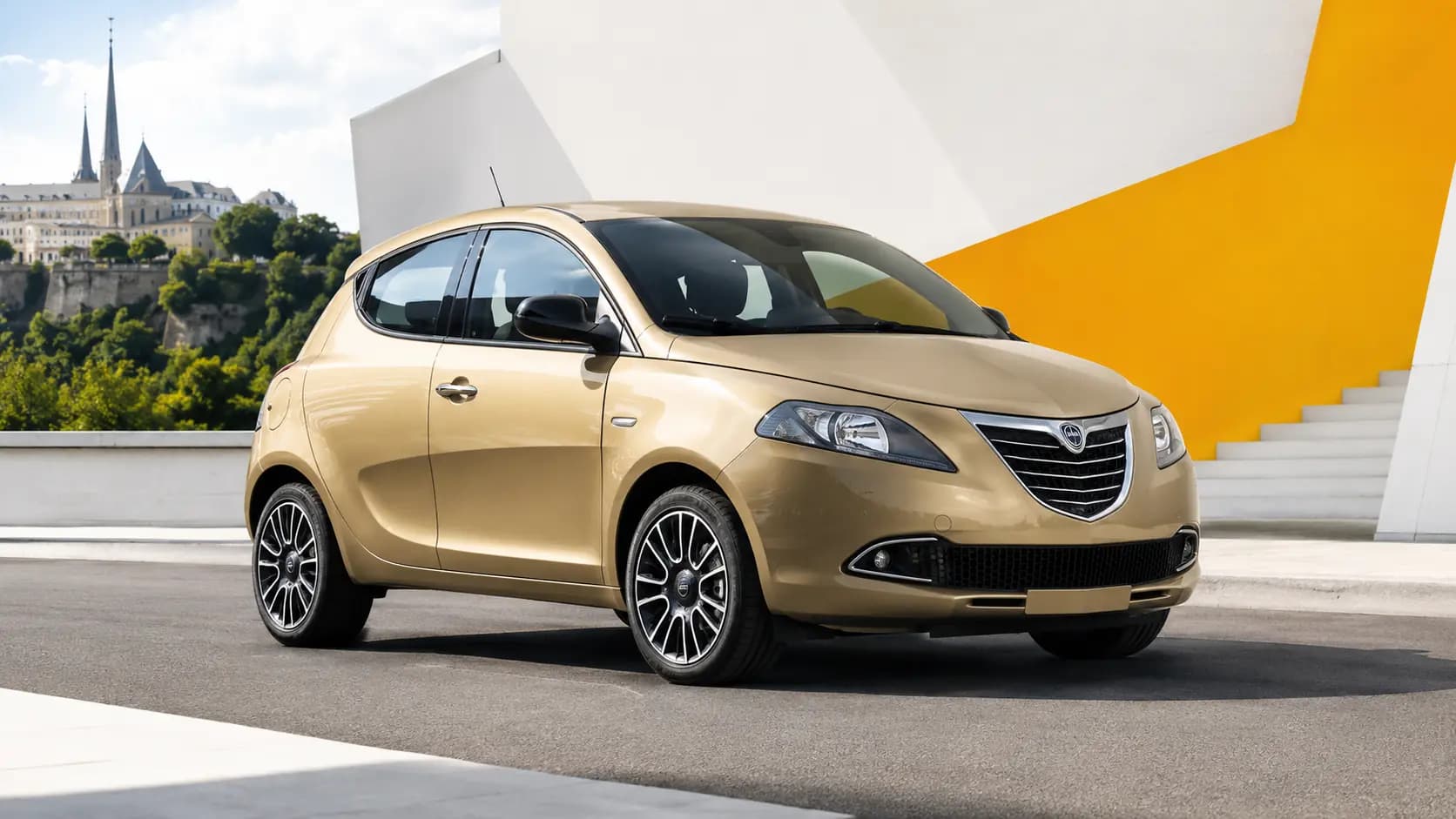
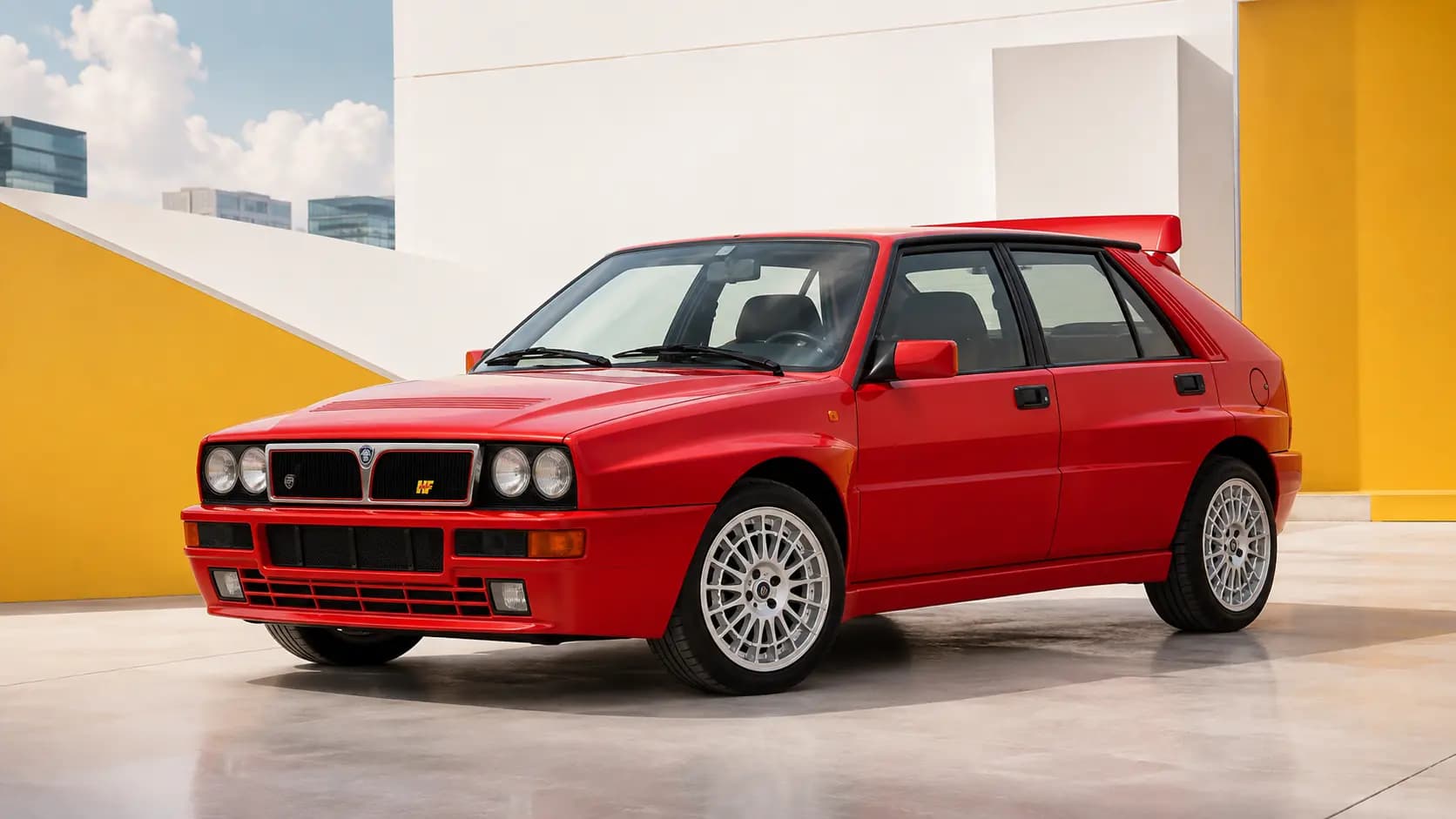
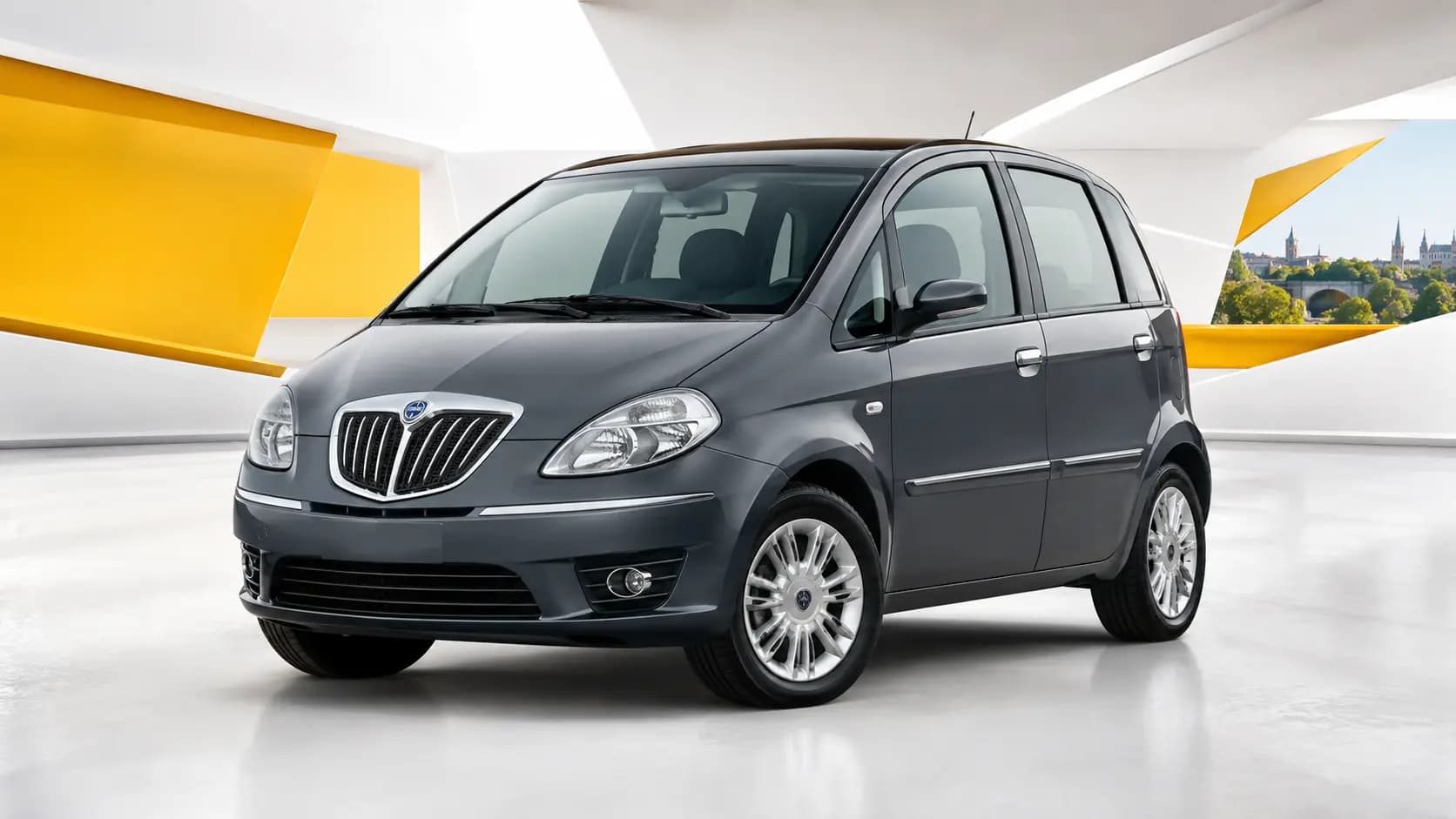
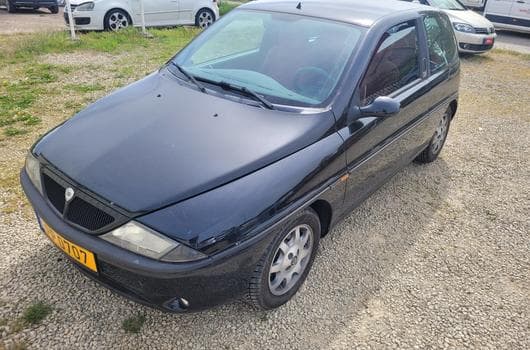
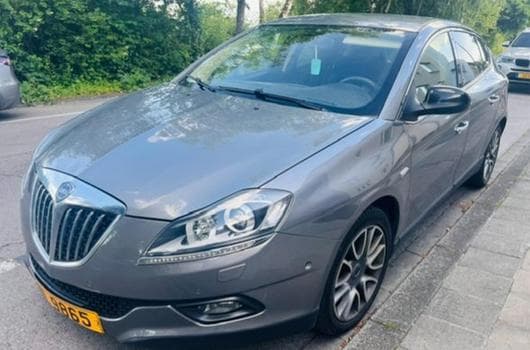
Lancia is known for distinctive design, technical innovation and a celebrated rally heritage. Its identity is clearest when buyers compare the engineering and intended use of Lancia Ypsilon, Lancia Delta and Lancia Musa rather than treating every generation alike.
14
7
3
3
15
3
15
11
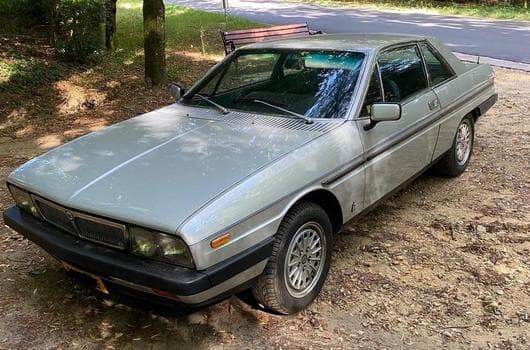
Lancia traces its origins to 1906, when Vincenzo Lancia and Claudio Fogolin established the business in Turin. Its development is closely associated with pioneering monocoque construction, the Aurelia and multiple World Rally Championship titles. Over time, the marque moved through distinct technical and ownership eras, so vehicles carrying the same badge can differ substantially by generation. Models such as Lancia Ypsilon, Lancia Delta and Lancia Musa show how that heritage has been adapted for later buyers. Today, Lancia is represented by Italian small cars, saloons and historic performance models. Current availability in Luxembourg should always be checked by model year and exact specification.
A used Lancia should be judged by exact model, generation, powertrain and documentation. Service history, a careful road test and an inspection by a workshop familiar with the marque are more useful than badge or mileage alone.
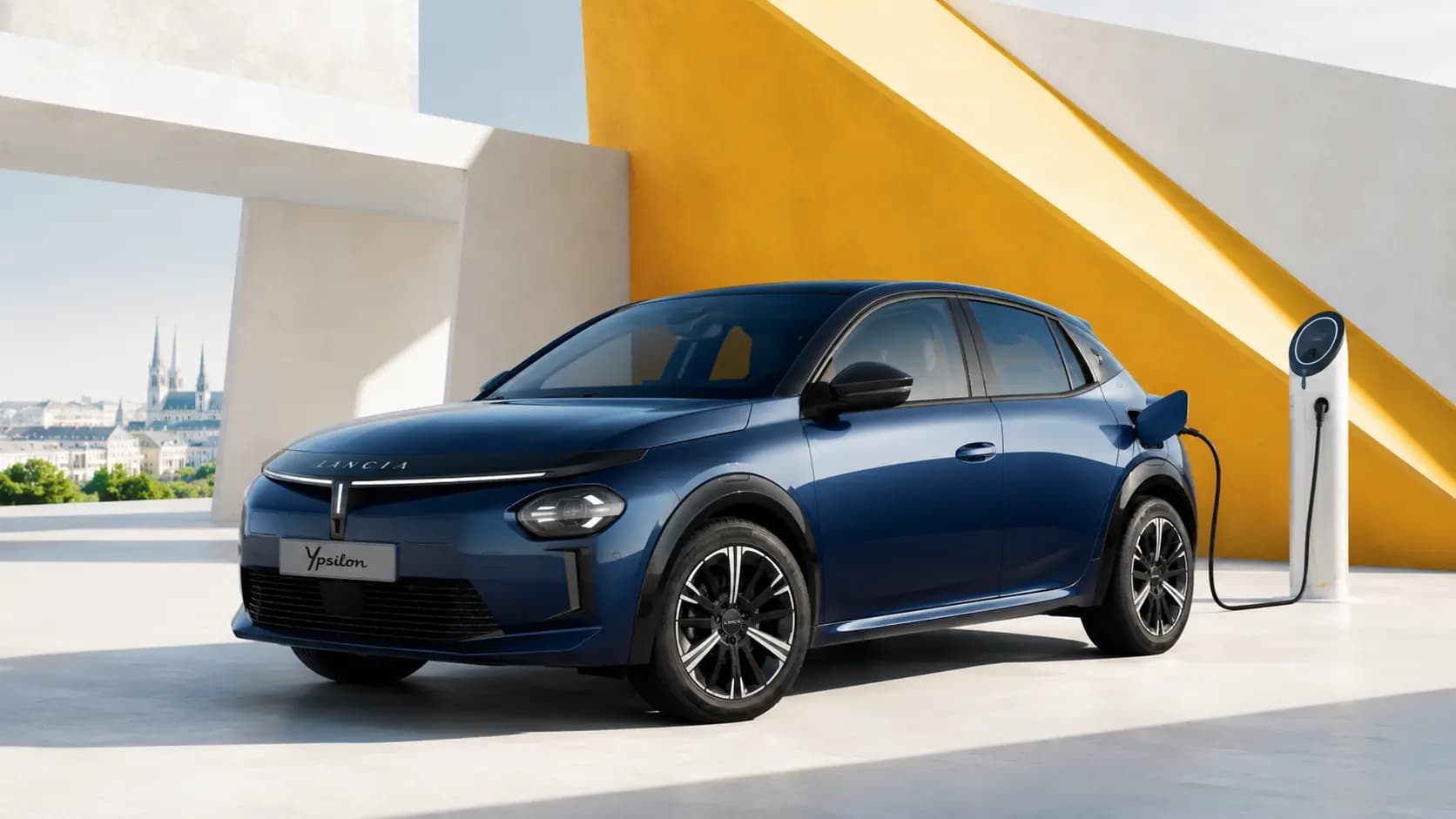
A practical entry point to the range. The hatchback format and petrol, mild hybrid, electric choices make generation, space and running needs the important comparison points.
View Lancia Ypsilon listingsA contrasting choice with a different use case. The hatchback format and petrol, diesel choices make generation, space and running needs the important comparison points.
View Lancia Delta listingsA useful third comparison for body style and powertrain. The mpv format and petrol, diesel choices make generation, space and running needs the important comparison points.
View Lancia Musa listings| Category | Model | Body type | Engine type | Displacement | Power | Curb weight |
|---|---|---|---|---|---|---|
| Core and current models | Lancia Ypsilon | Hatchback | Petrol, Mild Hybrid, Electric | Not applicable / 1.0–1.2 L | 69–156 hp | 965–1,584 kg |
| Core and current models | Lancia Delta | Hatchback | Petrol, Diesel | 1.4–2.0 L | 120–200 hp | 1,320–1,495 kg |
| Core and current models | Lancia Musa | MPV | Petrol, Diesel | 1.3–1.4 L | 70–100 hp | 1,155–1,280 kg |
| Further used-market models | Lancia Dedra | Saloon, Estate | Petrol, Diesel | 1.6–2.0 L | 75–180 hp | 1,070–1,340 kg |
The alternatives below overlap with Lancia from three different angles: market position, everyday use and powertrain choice.
Alfa Romeo offers a close market-position comparison, but its design and driving character are distinct.
Browse Alfa Romeo cars in LuxembourgPeugeot is worth comparing for everyday usability, cabin layout and ownership support.
Browse Peugeot cars in LuxembourgRenault provides a useful counterpoint on powertrains, equipment and long-term running needs.
Browse Renault cars in LuxembourgThere is no single best Lancia. Lancia Ypsilon, Lancia Delta and Lancia Musa serve different space, performance and journey needs. Choose by condition, documentation and total running costs.
Verify the VIN, mileage trail, service invoices and exact drivetrain. Test the car from cold where applicable, then check brakes, tyres, suspension, electronics and previous repairs. A marque-aware inspection is sensible.
Budget by model, age, powertrain and equipment. Tyres, brakes, scheduled fluids, specialist labour and complex options can change costs substantially. Price insurance and the next major service before buying.
Electric and plug-in-hybrid versions need charging, battery and software checks. Confirm usable range, supplied cables and charging compatibility for your routine.
Generation, engine, drivetrain, trim and original market can all change the specification. Imports may differ in lighting, infotainment, charging hardware or homologation. Decode the VIN and verify equipment on the car.