Tesla Model 3
Model 3 is the lower, saloon-shaped choice and generally the most efficient Tesla. Compare rear-wheel-drive, Long Range and Performance versions by range, ride, wheel size and insurance.
View Tesla Model 3 listingsTesla
Tesla sells battery-electric cars only. Model 3 and Model Y form the core of the European used market, while Model S and Model X add more space, performance and complexity.
View listings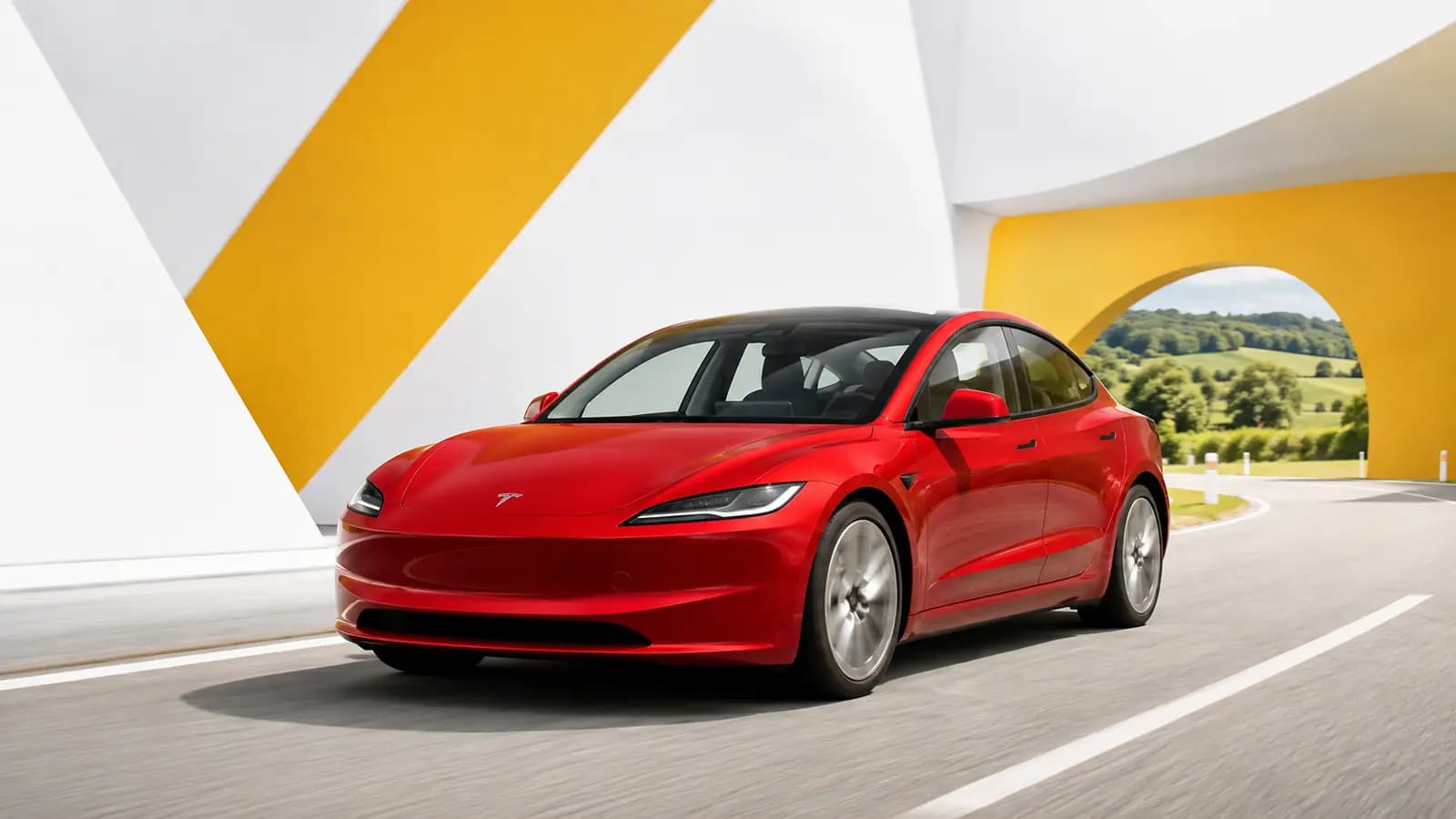
Tesla is known for battery-electric vehicles built around software, rapid acceleration and an integrated fast-charging network. Its sparse cabins and screen-led controls differ markedly from conventional car layouts.
5
15
15

1
15
3
3
15
15
15
10
15
Tesla was incorporated in 2003 and introduced the Roadster in 2008, demonstrating a production electric sports car based around lithium-ion batteries. Model S followed in 2012, together with Tesla's growing Supercharger network. Model X added an SUV format and distinctive rear doors, while the smaller Model 3 reached customers from 2017. Model Y subsequently became Tesla's high-volume crossover. European production began at Gigafactory Berlin-Brandenburg in 2022 for selected Model Y versions. Tesla develops vehicles, charging infrastructure, energy storage and software together. Frequent production revisions mean two cars registered in the same year can have different processors, batteries, sensors, suspension or cabin details, so build date and configuration matter.
A used Tesla needs EV-specific checks plus unusually careful confirmation of its hardware and account status. Production changes are frequent, and paid software or connectivity features do not always transfer exactly as a buyer expects.
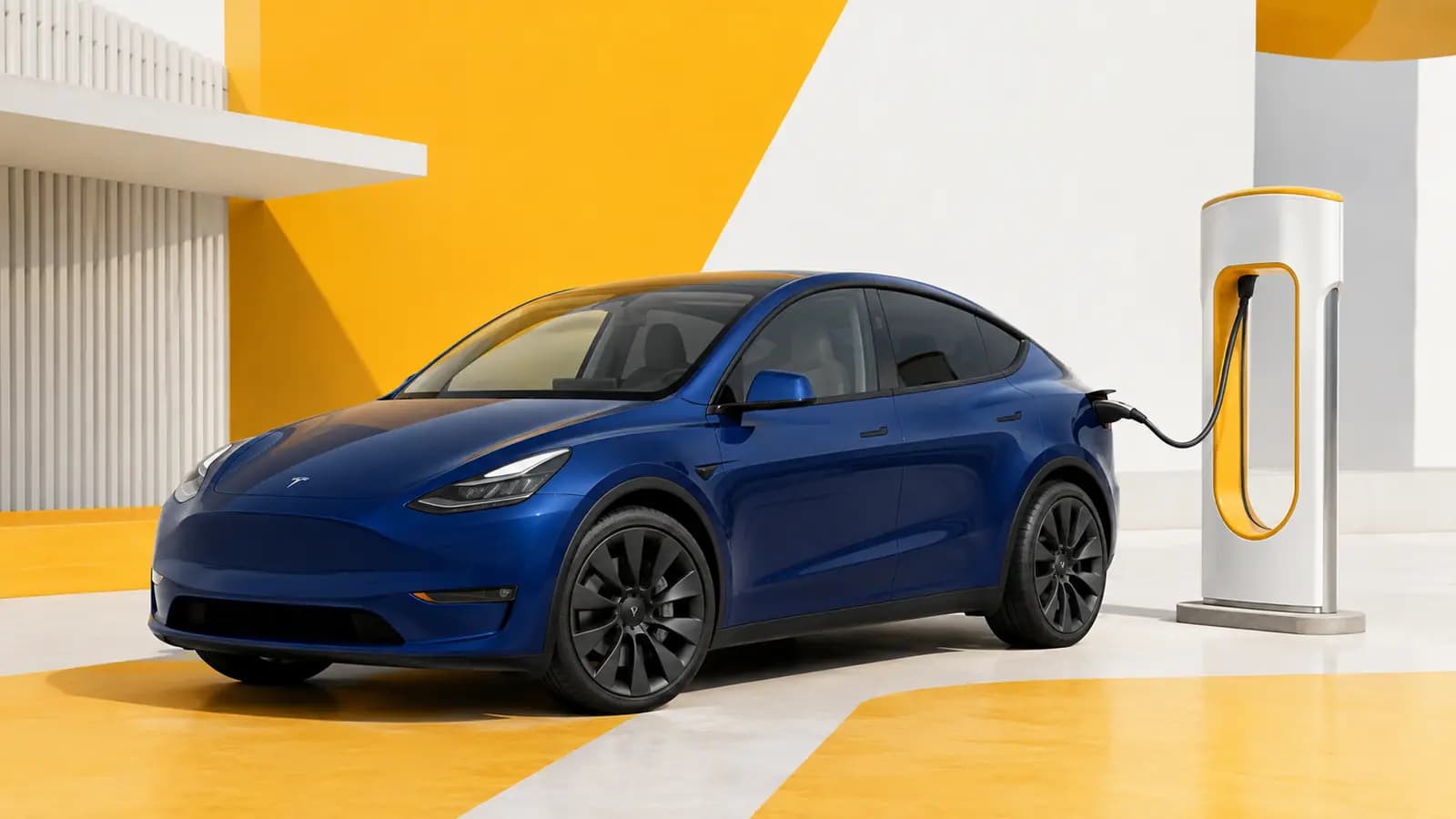
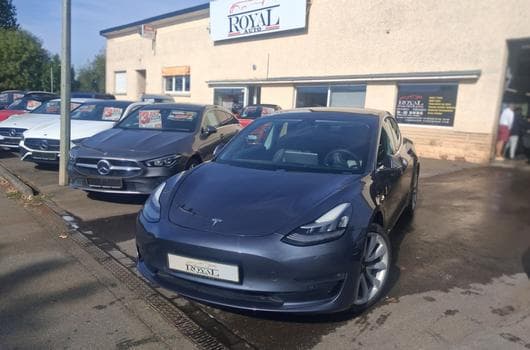
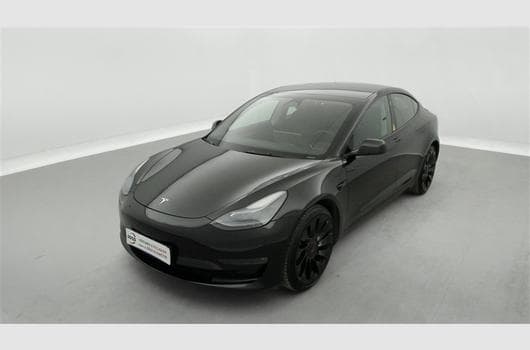
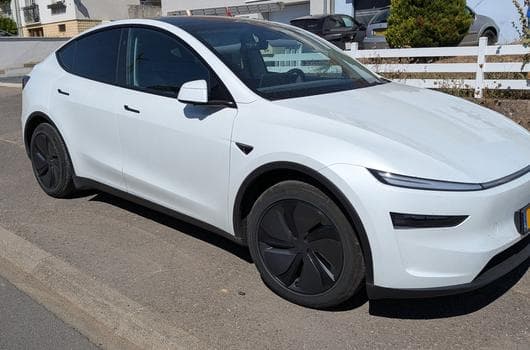
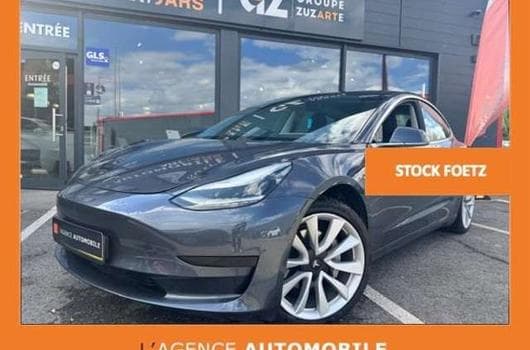
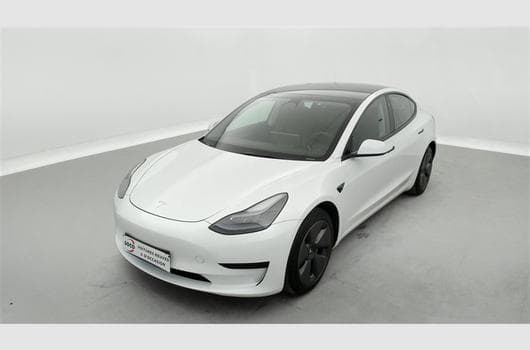
Model 3 is the lower, saloon-shaped choice and generally the most efficient Tesla. Compare rear-wheel-drive, Long Range and Performance versions by range, ride, wheel size and insurance.
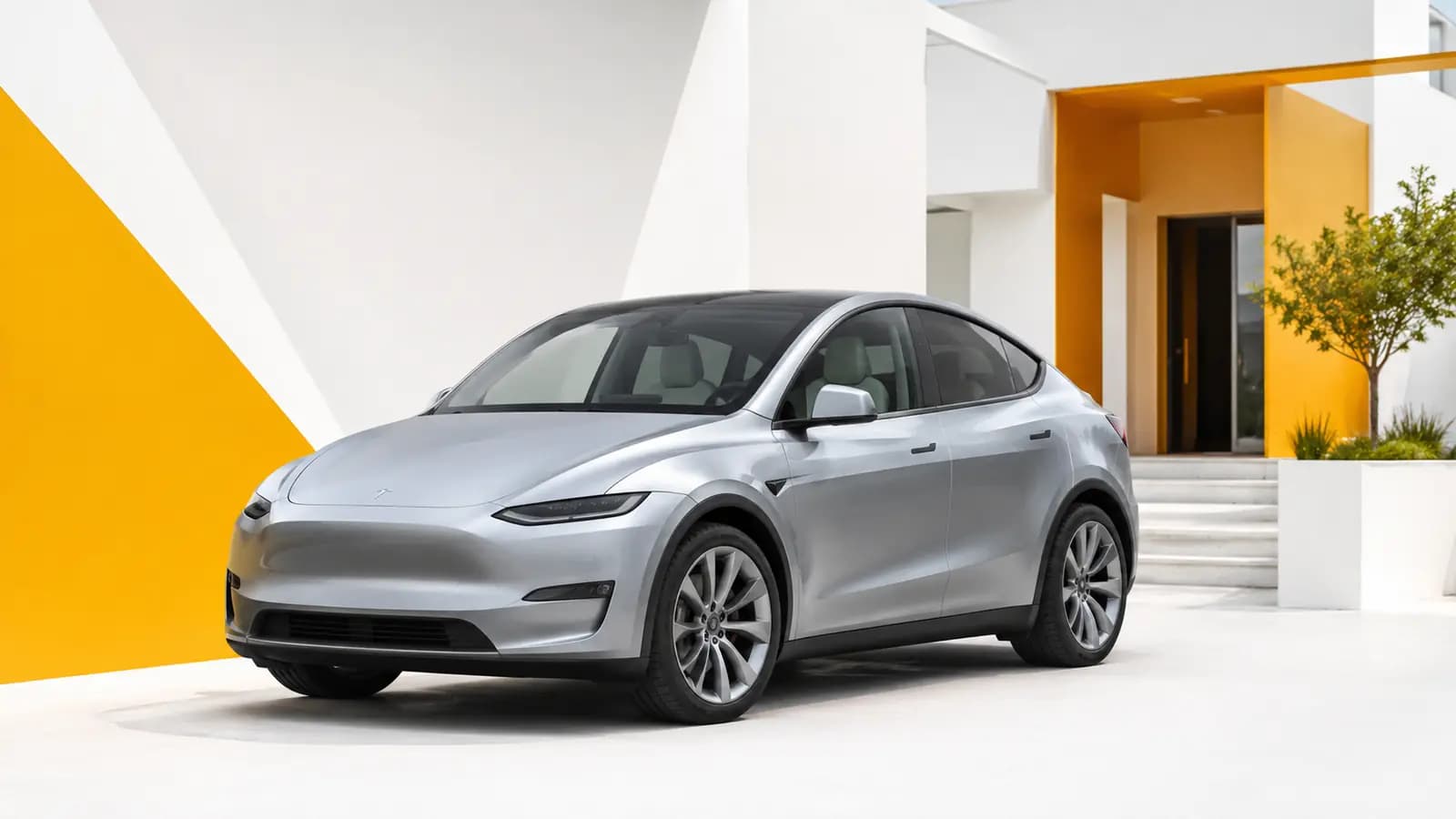
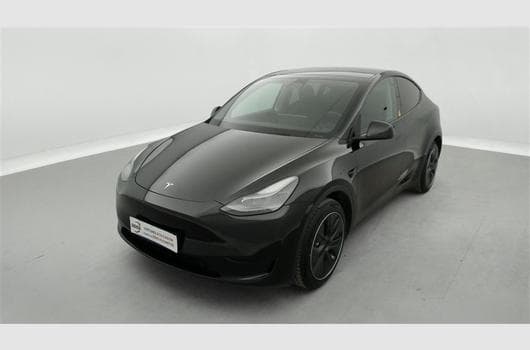
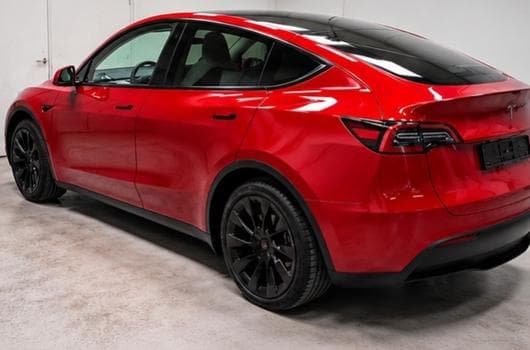
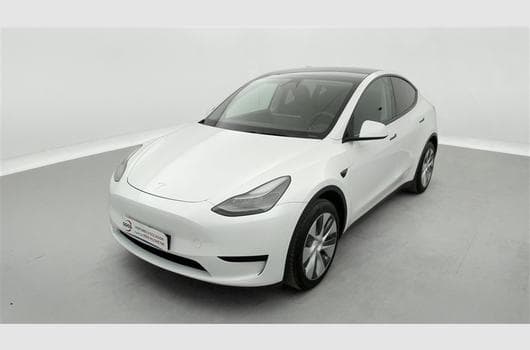
View Tesla Model 3 listingsModel Y adds a hatchback tailgate, higher seating and more flexible luggage space. Production updates are substantial, so compare build date and hardware rather than registration year alone.
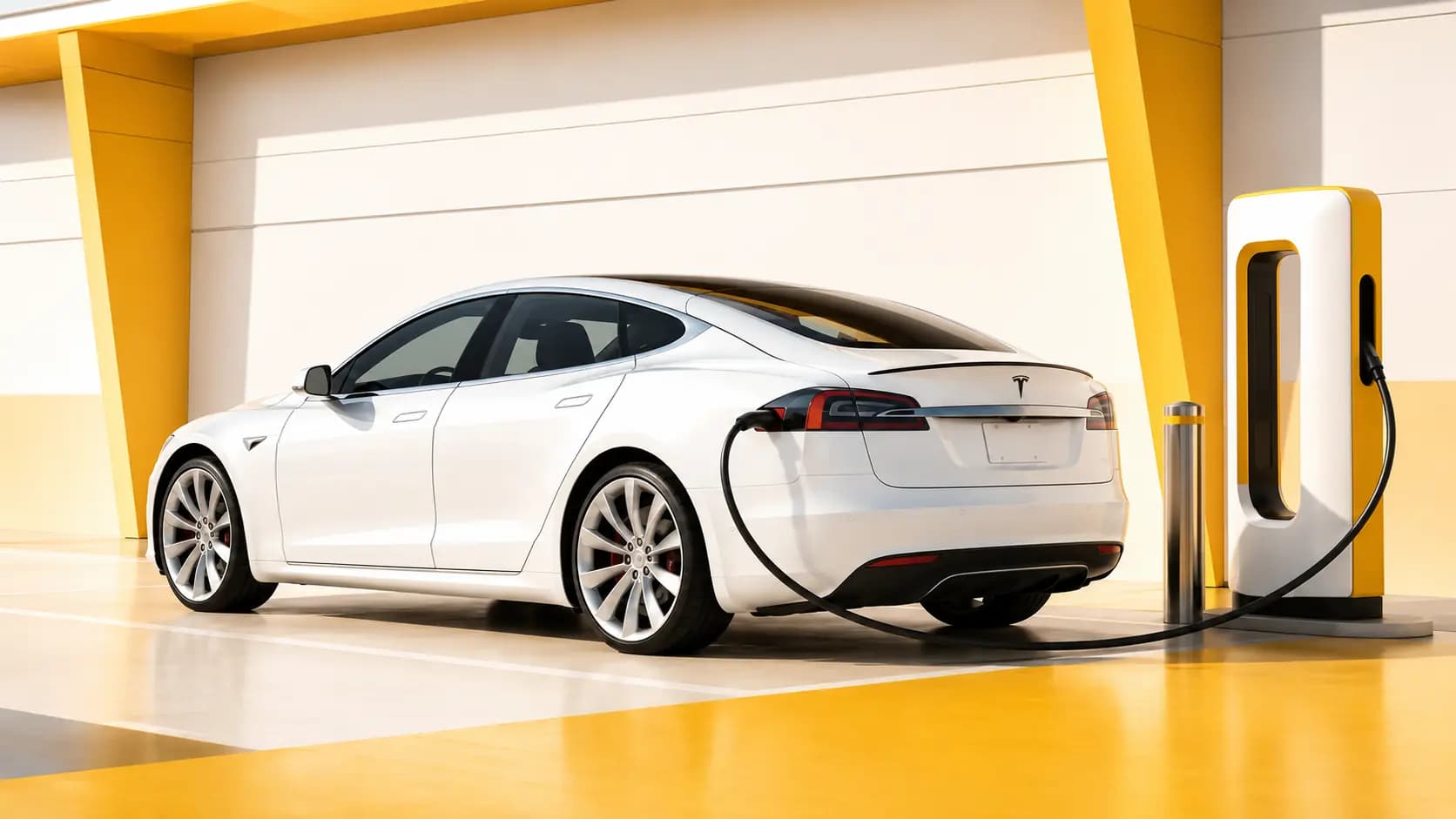
View Tesla Model Y listingsModel S is the larger premium liftback with long-distance ability and very strong performance in some versions. Older cars require careful checks of charging hardware, infotainment generation, suspension and warranty status.
View Tesla Model S listings| Category | Model | Body type | Engine type | Displacement | Power | Curb weight |
|---|---|---|---|---|---|---|
| Current model range | Tesla Model 3 | Saloon | Electric | Not applicable | Not officially stated | 1,765–1,851 kg |
| Current model range | Tesla Model Y | Crossover SUV | Electric | Not applicable | Not officially stated | 1,921–1,997 kg |
| Current model range | Tesla Model S | Saloon | Electric | Not applicable | Not officially stated | 2,069–2,162 kg |
| Current model range | Tesla Model X | SUV | Electric | Not applicable | Not officially stated | 2,352–2,455 kg |
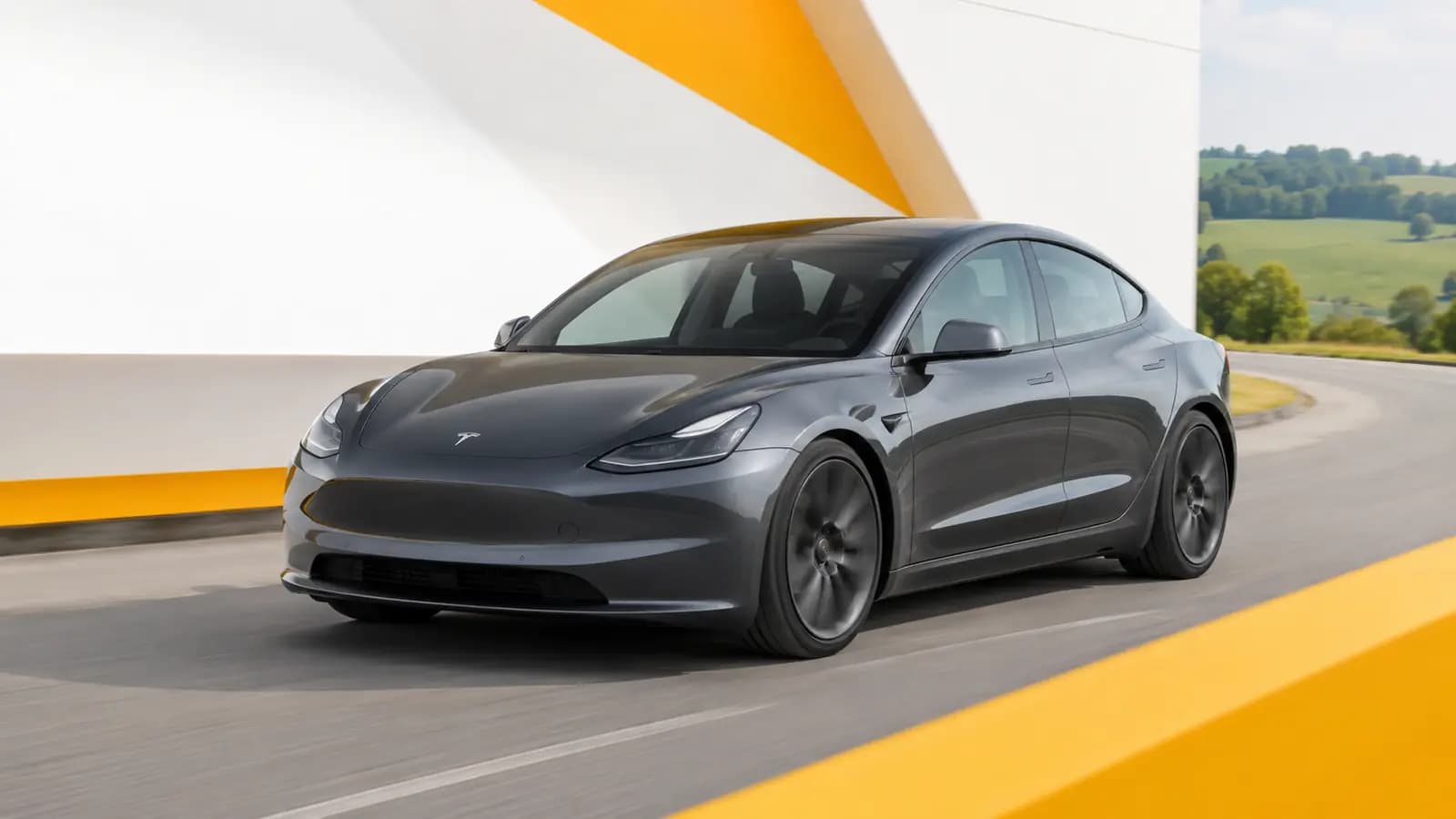
BMW, Polestar and Volvo offer credible electric alternatives with different approaches to controls, cabin design, ride and dealer support.
BMW offers electric saloons and SUVs with more conventional instruments and controls, plus a broad service network.
View BMW in LuxembourgPolestar is a close software-led comparison with Google-based infotainment and a more traditional driver display in relevant models.
View Polestar in LuxembourgVolvo provides compact and family-focused electric SUVs with a stronger emphasis on conventional brand retail and safety presentation.
View Volvo in LuxembourgModel 3 is the lower, usually more efficient saloon-shaped choice, while Model Y offers easier cargo access and a higher seating position. Model S provides more premium space and Model X adds SUV packaging with complex powered rear doors. Compare build date, battery and motor version, insurance and condition because cars registered in the same year can have different hardware.
Confirm the VIN, build date, account-transfer process and which paid software features remain with the car. Test AC charging and, where practical, DC charging, then inspect battery evidence, tyres, suspension, cameras, climate control and repair history. A qualified independent EV inspection is especially valuable after accident repairs or when documentation is incomplete.
A Tesla does not need engine-oil servicing, but it still requires attention to tyres, brakes, suspension, cabin filters, wipers, cooling systems and air conditioning. Heavy weight and strong performance can accelerate tyre wear, while limited use of the friction brakes can allow corrosion. Follow the schedule for the exact model and market rather than assuming every Tesla has identical needs.
Displayed range alone is not a reliable measure of battery health because it changes with charge level, settings and conditions. Review charging and warranty information, compare the car under consistent conditions and use appropriate on-board diagnostics where available. Seek a qualified battery assessment if the evidence is incomplete or the displayed behaviour is inconsistent.
No. Tesla Autopilot and related driver-assistance packages require an attentive driver who remains responsible and ready to intervene. Hardware, purchased package and locally available functions can differ between cars, so confirm them on the actual vehicle and in its current account.