What is Polestar known for?
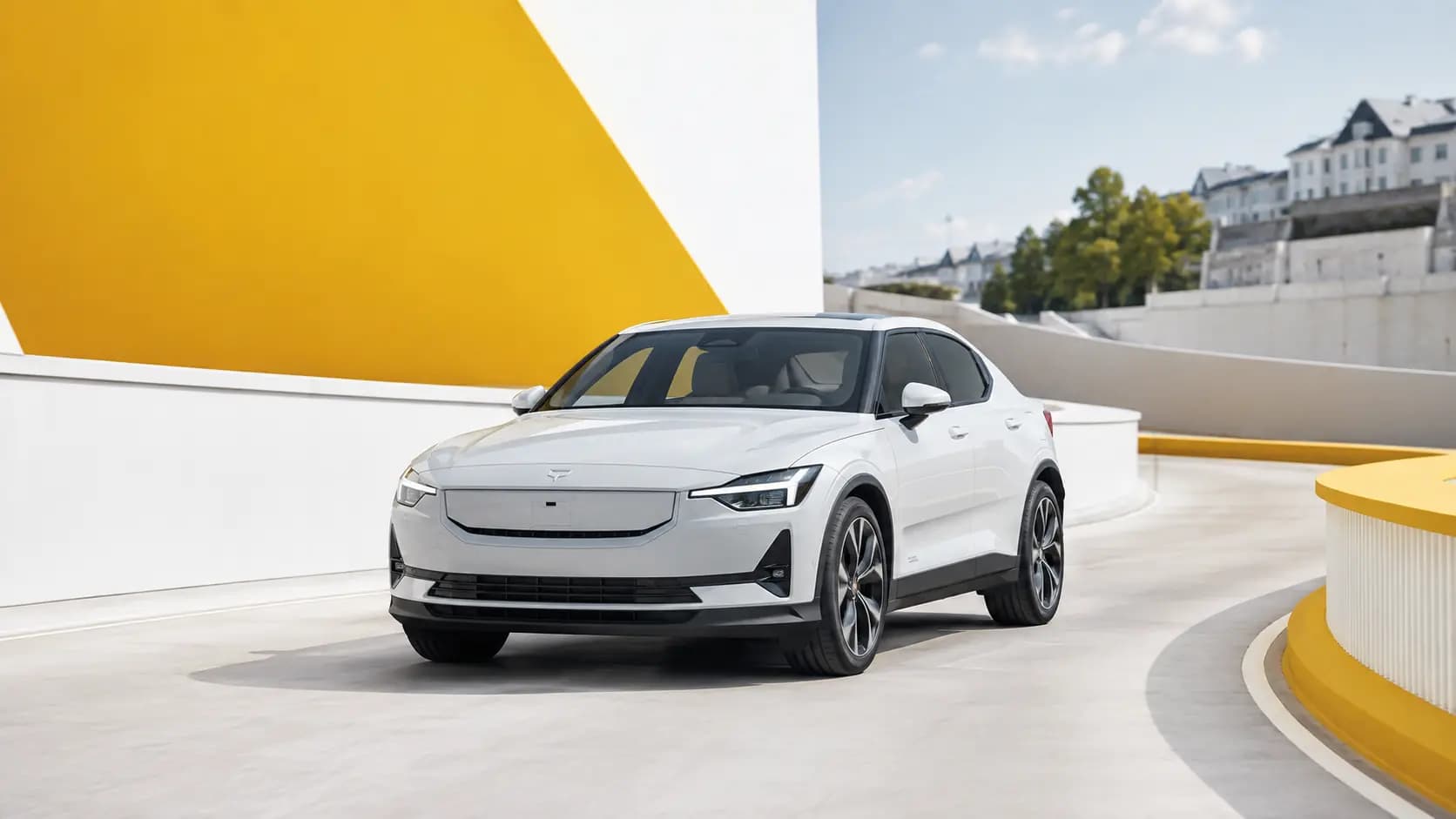
Polestar is known for Scandinavian minimalist design, strong electric performance, online-led retail and close technological links with Volvo Cars and the wider Geely ecosystem.
- The name developed from Swedish motorsport and Volvo performance tuning before Polestar became a standalone electric-performance brand in 2017.
- The limited-production Polestar 1 was a carbon-bodied plug-in-hybrid GT; the volume Polestar 2 was the brand’s first fully electric model.
- Polestar 2, 3 and 4 use Android Automotive OS with integrated Google services, although connectivity terms and app support can change.
- Single- and dual-motor versions offer rear- or all-wheel drive depending on model and year, with substantial differences in power, range and chassis specification.
- The brand publishes detailed lifecycle carbon-footprint information, but equipment, manufacturing location and technical specification differ by model.
What is the history of Polestar?
Polestar’s roots lie in Swedish touring-car racing. The operation that became Polestar began as a racing team in 1996, later competing as Polestar Racing and developing performance upgrades for Volvo. Volvo Cars acquired Polestar’s road-car performance business in 2015, while the racing organisation continued separately as Cyan Racing.
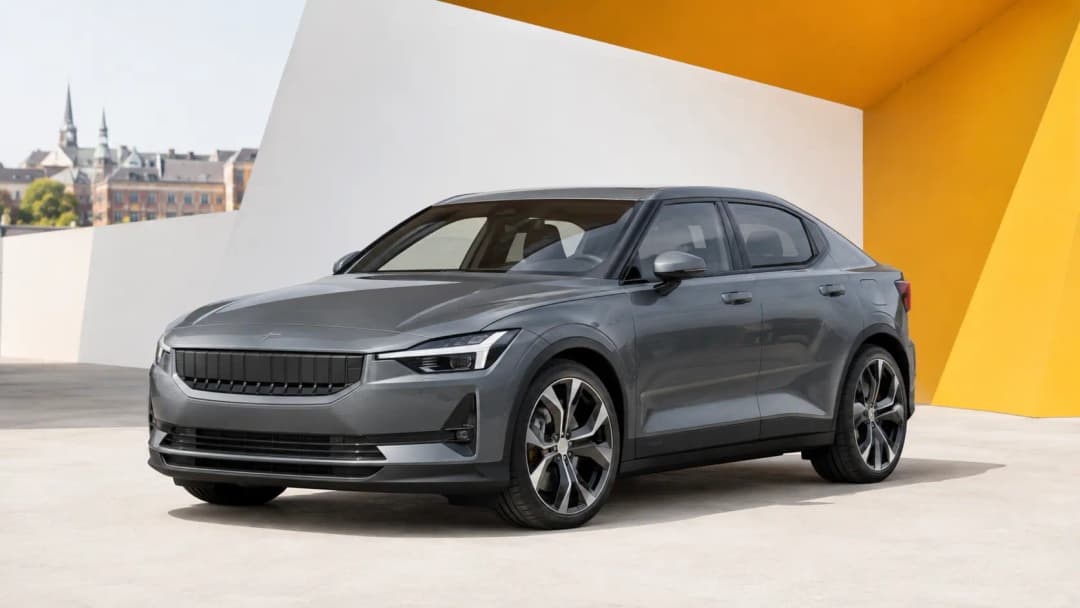
In 2017, Volvo Cars and Geely Holding launched Polestar as a standalone design-led electric-performance brand. The first model, the Polestar 1, was a low-volume plug-in-hybrid grand tourer with a carbon-fibre body and 609 hp. The Polestar 2 followed as the first volume battery-electric model, with customer deliveries beginning in 2020.
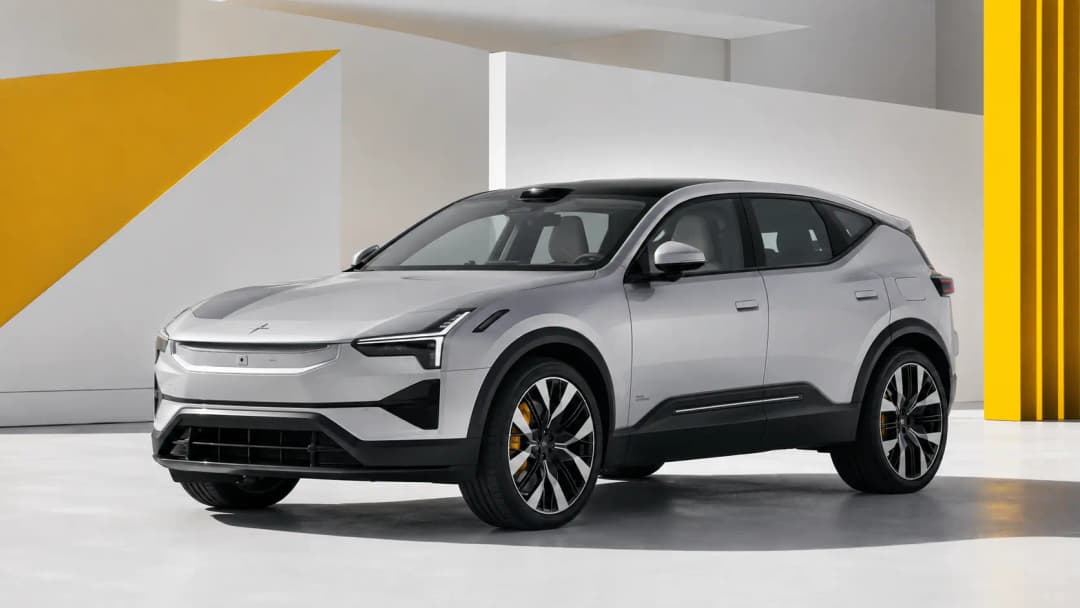
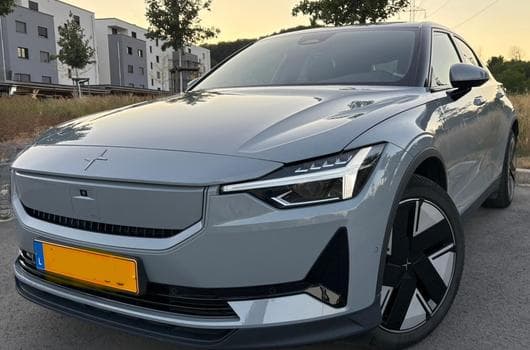
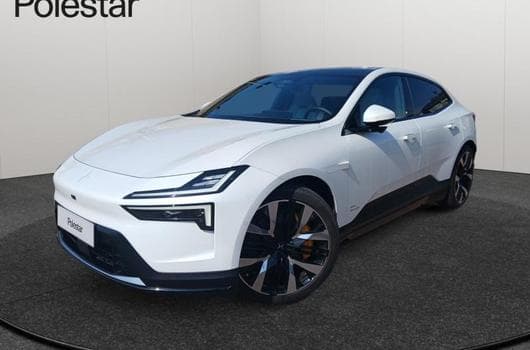
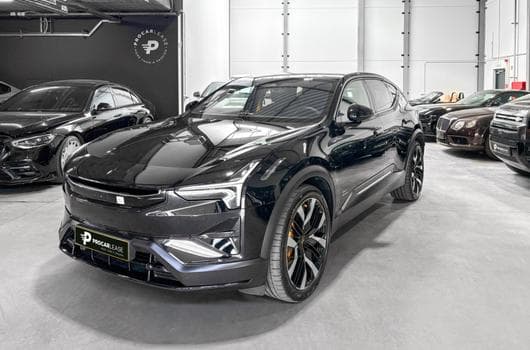
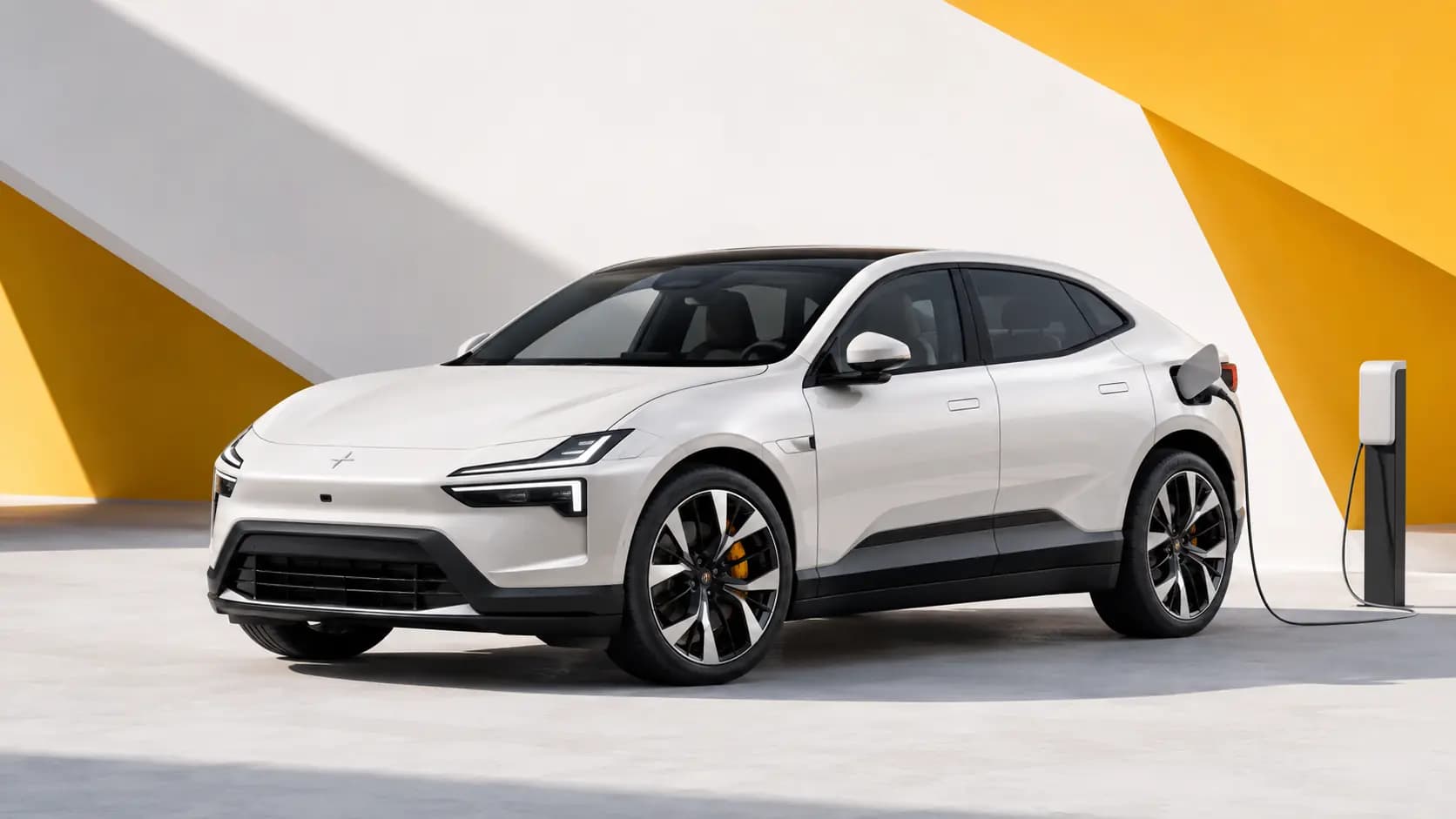
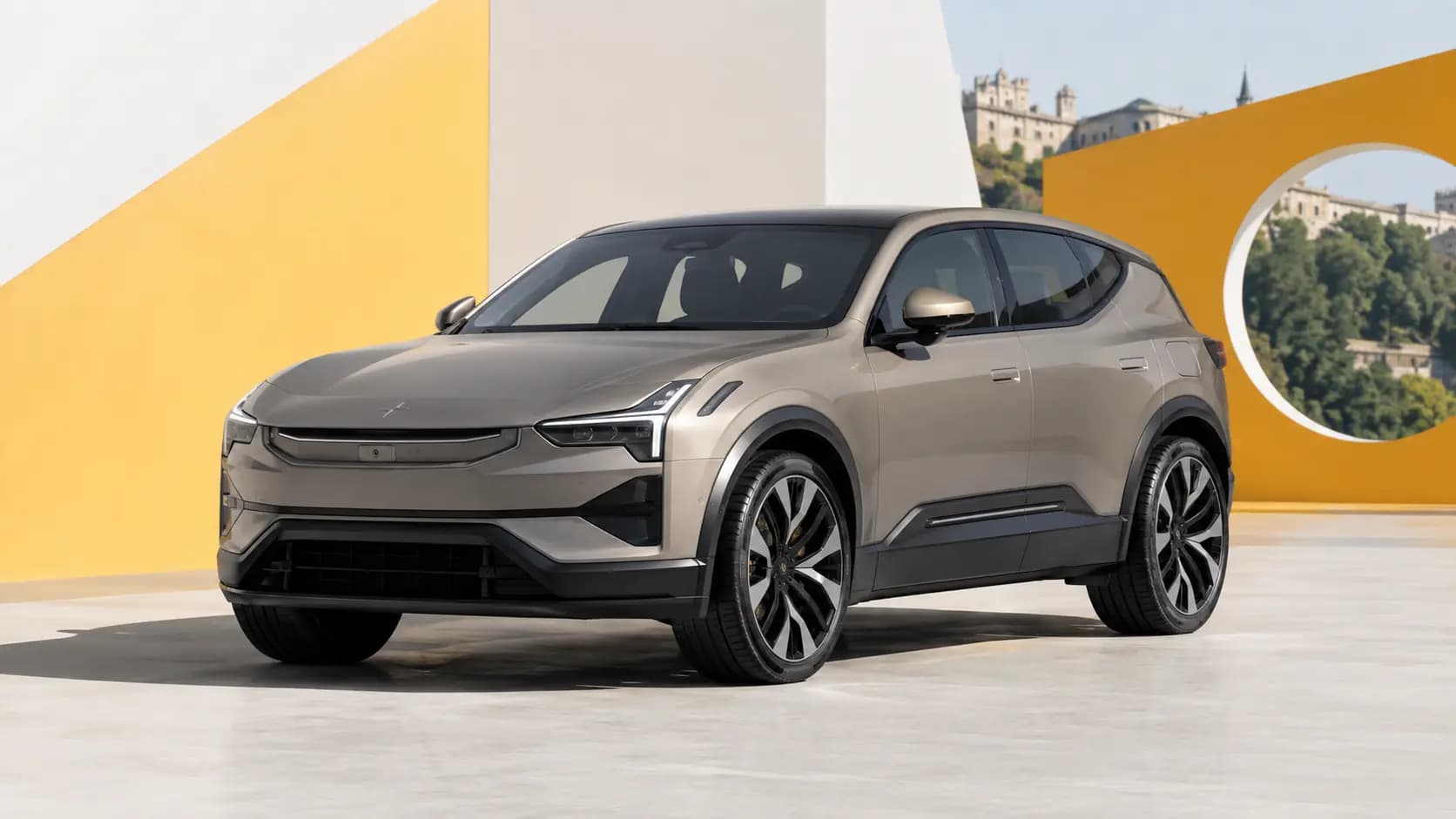
The Polestar 3 expanded the range into larger electric SUVs, and the Polestar 4 adopted a lower SUV-coupé format without a conventional rear window. The Polestar 5 is a four-door electric grand tourer on Polestar’s bonded-aluminium architecture, with first customer deliveries planned for 2026. Used availability varies greatly: in Luxembourg, the Polestar 2 is much more likely than the newer models.
What should you check when buying a used Polestar?
Most used Polestars are software-dependent battery-electric cars, so mechanical condition, charging performance, digital functions and account transfer all matter. The rare Polestar 1 also needs specialist plug-in-hybrid and combustion-engine checks.
- Verify the VIN, registration, service record and warranty dates, then check for outstanding recalls, campaigns and software updates with Polestar.
- Confirm that all keys and key cards are supplied, the previous owner is removed from the vehicle account, and the Polestar app can be paired correctly.
- Test the centre display, driver display, Google services, cameras, sensors, mobile data, audio and driver-assistance functions after a full restart.
- Test AC and DC charging where possible, inspect the port and cables, and review charging and battery records without treating the displayed range as a battery-health test.
- Check that cabin heating, preconditioning and any heat pump operate correctly, as temperature control affects both comfort and winter range.
- Inspect tyres for matching specification and even wear, then assess wheels, brakes, steering and suspension; high weight and performance can increase tyre and chassis costs.
- Check the underbody and battery enclosure for impact damage and inspect body panels, glass and frameless doors for previous repair or poor alignment.
- For a Polestar 1, use a specialist to inspect the petrol engine, hybrid system, high-voltage battery, charging equipment, carbon-fibre structure and complex dampers.
Show 3 moreShow less