Toyota Yaris
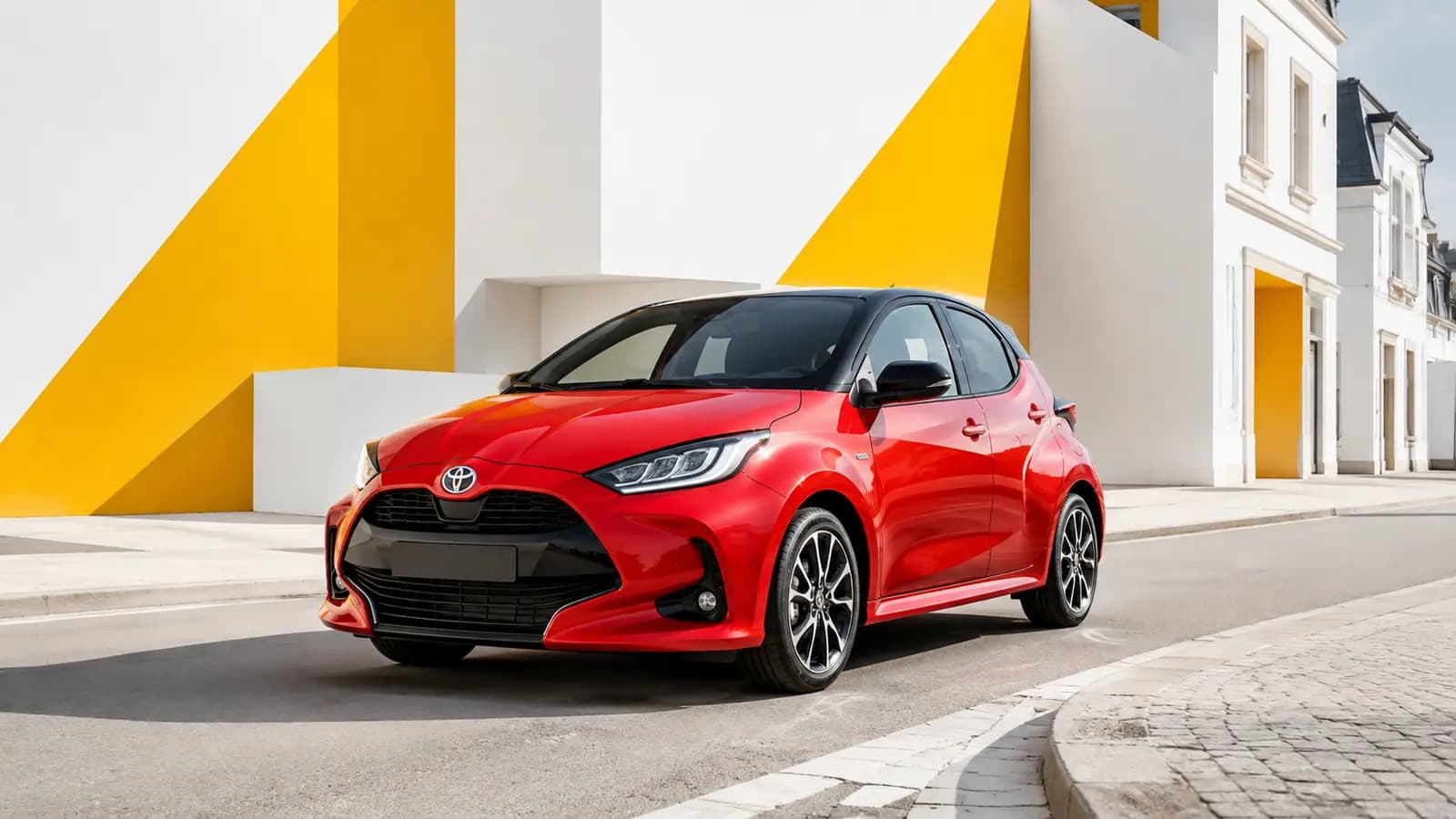
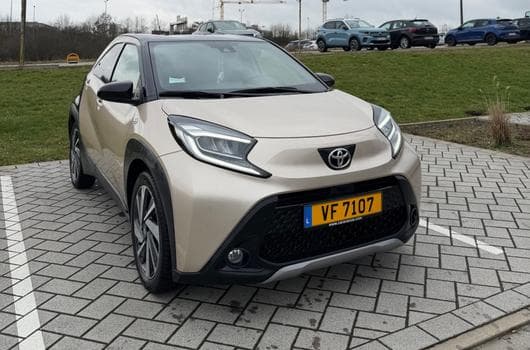
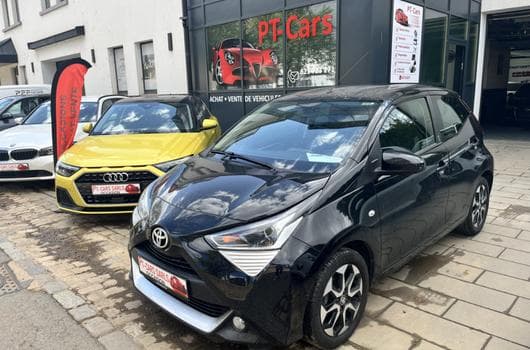
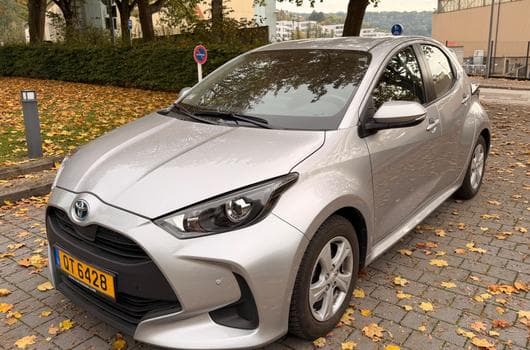
The Yaris is a compact hatchback whose full-hybrid system is well suited to stop-start driving. It gives up rear and luggage space compared with Corolla or Yaris Cross.
View Toyota Yaris listingsToyota
Toyota combines small cars, family hatchbacks and estates, SUVs, sports models and electrified powertrains. For used buyers, the important distinctions are model generation, hybrid type, drivetrain and evidence of scheduled maintenance.
View listings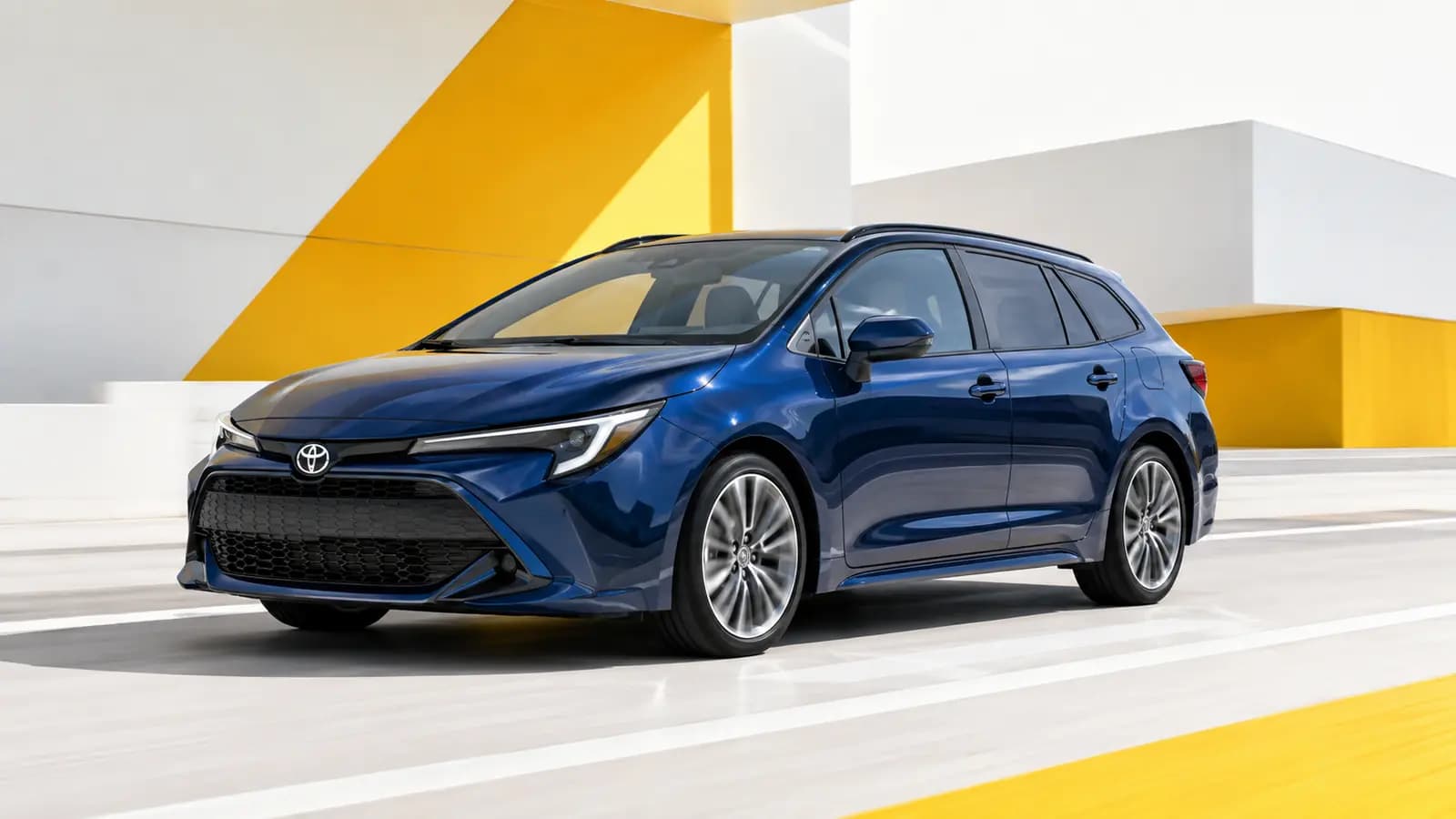
Toyota is known for high-volume global manufacturing, long-running model families and early mainstream adoption of petrol-electric full hybrids. Its European range stretches from the Yaris to family SUVs and the battery-electric bZ4X.

1
15
3
11
15
15
15
15
15
15
15
3
Toyota Motor Company was founded in 1937 from the automotive activities of Toyoda Automatic Loom Works. Production methods developed after the Second World War evolved into the Toyota Production System, centred on efficient flow and continuous improvement. Export growth made Toyota an international manufacturer, with Corolla becoming one of its defining nameplates after its 1966 debut. Land Cruiser built a separate reputation in demanding conditions. In 1997 Toyota launched the Prius in Japan, bringing full-hybrid technology into series production before wider global sales. European manufacturing and design expanded over subsequent decades. Today Toyota sells full hybrids across much of its passenger-car range, plug-in hybrids in selected models, the bZ4X battery-electric SUV and hydrogen fuel-cell technology in the Mirai.
Identify the exact model, generation and powertrain first. A Toyota full hybrid, plug-in hybrid and battery-electric car have different charging and maintenance needs, and a documented service history remains important even when the vehicle feels smooth on a short drive.
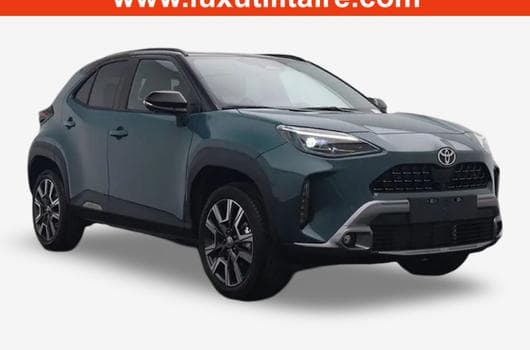
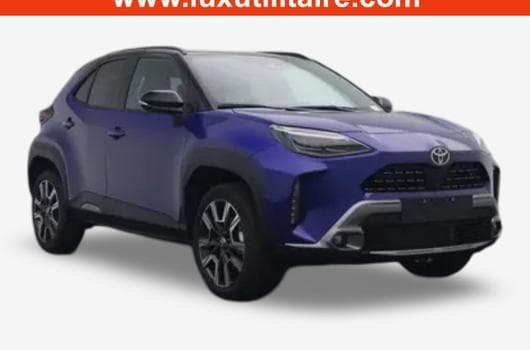
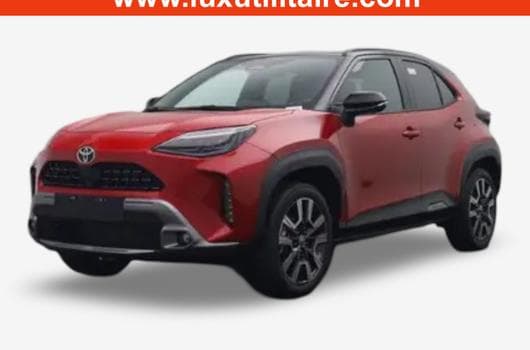
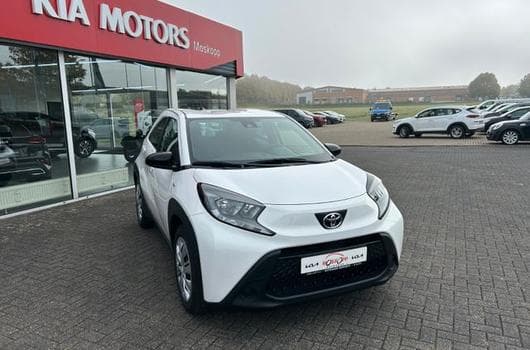
The Yaris is a compact hatchback whose full-hybrid system is well suited to stop-start driving. It gives up rear and luggage space compared with Corolla or Yaris Cross.
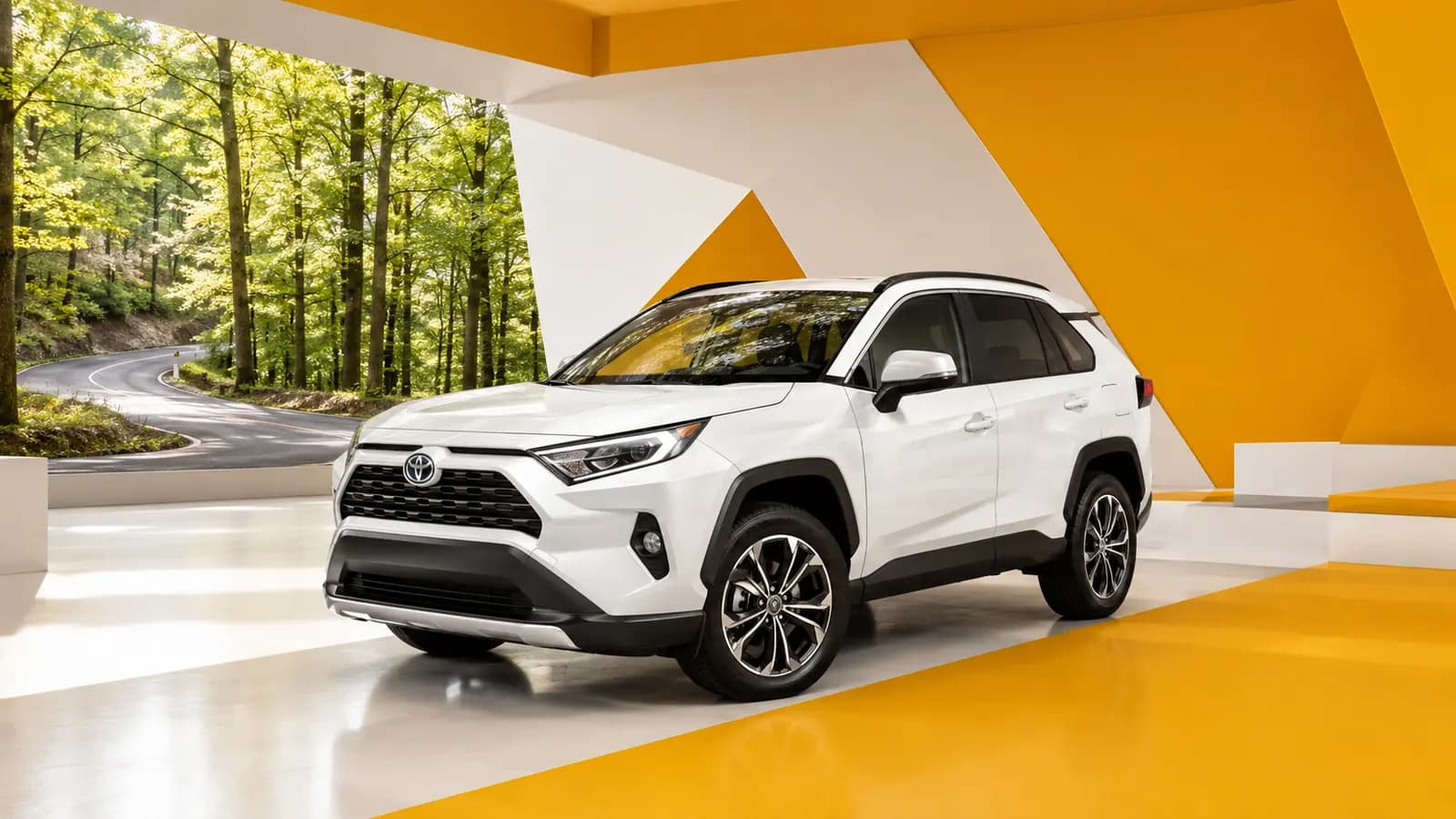
View Toyota Yaris listingsThe RAV4 is a family SUV available as a full hybrid or plug-in hybrid in relevant generations. Buyers should compare two- or all-wheel drive, towing needs and whether regular charging makes the plug-in worthwhile.
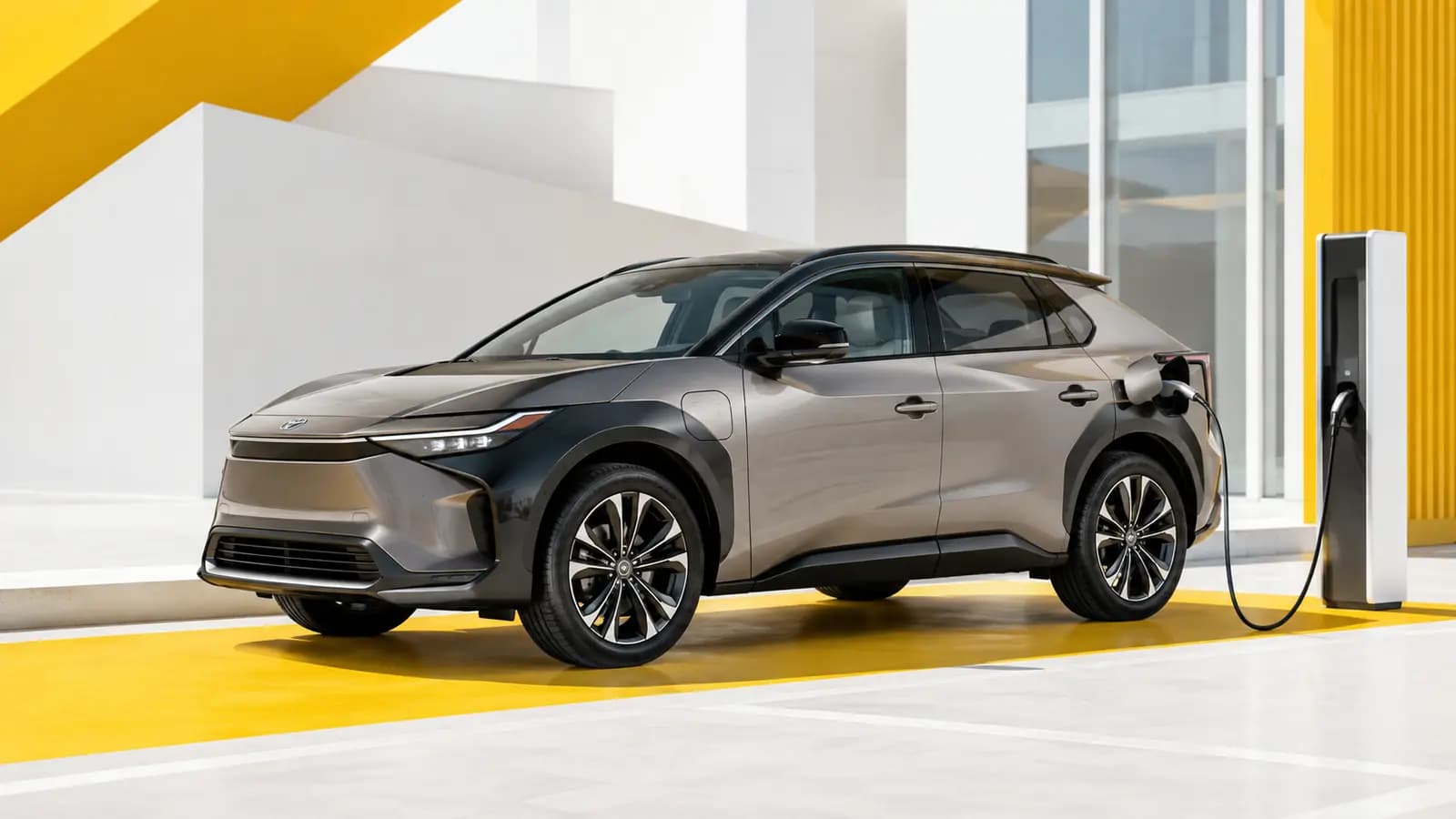
View Toyota RAV4 listingsThe bZ4X is Toyota's battery-electric family SUV. Charging access, battery version, drivetrain and winter range matter more than comparisons with Toyota's non-plug-in hybrids.
View Toyota bZ4X listings| Category | Model | Body type | Engine type | Displacement | Power | Curb weight |
|---|---|---|---|---|---|---|
| Small cars | Toyota Yaris | Hatchback | Full Hybrid | 1.5 L | 116–130 hp | 1,085–1,185 kg |
| Family cars | Toyota Corolla | Hatchback, Estate, Saloon | Full Hybrid | 1.8–2.0 L | 140–196 hp | 1,340–1,535 kg |
| SUVs | Toyota Yaris Cross | Crossover SUV | Full Hybrid | 1.5 L | 116–130 hp | 1,190–1,290 kg |
| SUVs | Toyota C-HR | Crossover SUV | Full Hybrid, Plug-in Hybrid | 1.8–2.0 L | 140–223 hp | 1,465–1,730 kg |
| SUVs | Toyota RAV4 | SUV | Full Hybrid, Plug-in Hybrid | 2.5 L | 218–306 hp | 1,680–1,910 kg |
| Electric models | Toyota bZ4X | SUV | Electric | Not applicable | 224–343 hp | 1,800–2,020 kg |
Honda, Volkswagen and Kia offer different answers to Toyota's mix of efficient family cars, hybrids and SUVs.
Honda is a useful full-hybrid comparison, particularly Civic, Jazz and CR-V, with its own transmission and packaging approach.
View Honda in LuxembourgVolkswagen offers familiar hatchback and SUV alternatives plus a separate ID electric range, often with a more conventional European control layout.
View Volkswagen in LuxembourgKia combines hybrid, plug-in hybrid and electric choices with strong crossover coverage, making equipment and warranty history key comparison points.
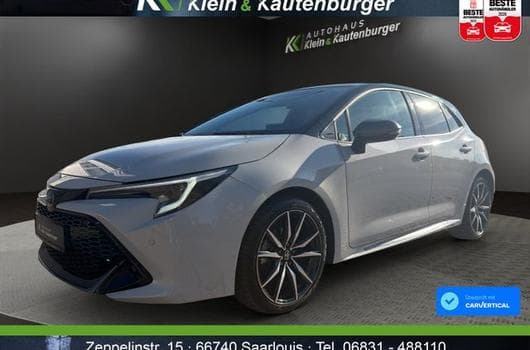
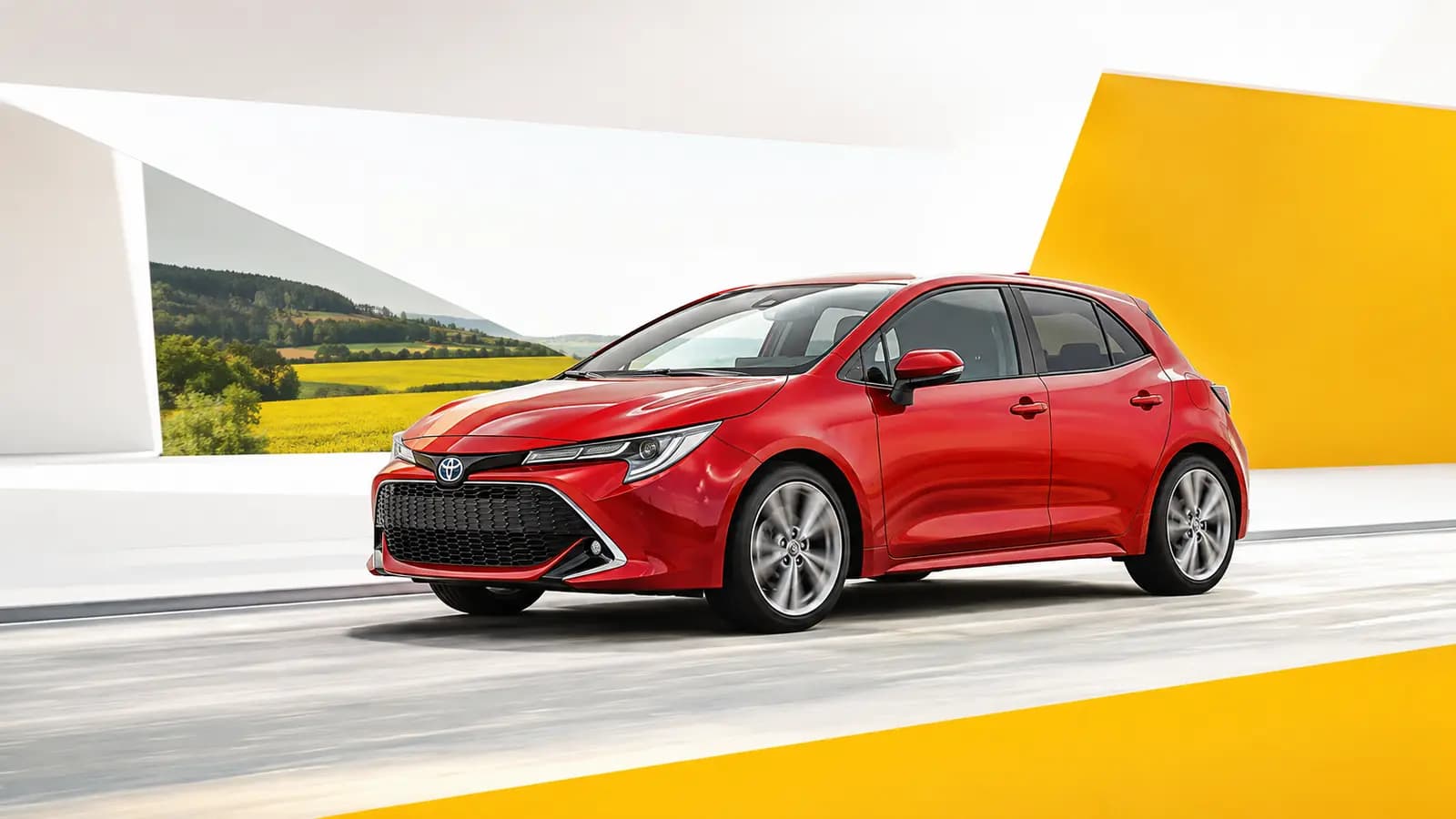
View Kia in LuxembourgThe Yaris is the most compact choice for city use, while the Corolla adds rear-seat and luggage space for everyday family travel. Yaris Cross provides a higher seating position, and RAV4 is the larger SUV for buyers who need more room. Check the actual cabin, boot and motorway comfort because body style and powertrain matter more than the badge alone.
Review the service record and any available hybrid-system health documentation first. During the test drive, watch for warning lights, check that transitions between engine and electric drive are smooth, and inspect the 12-volt battery and friction brakes. Confirm the exact generation and powertrain because Toyota hybrid systems and warranty terms vary by model and age.
Toyota hybrids still need scheduled engine oil, filters, coolant and brake inspections like other petrol cars. Their high-voltage components require suitable diagnostic equipment and qualified technicians for battery or electrical work. Follow the schedule for the exact model rather than assuming the hybrid system removes routine maintenance.
No. The bZ4X is a battery-electric vehicle with no petrol engine and must be charged externally. A standard Toyota full hybrid retains a petrol engine and cannot be plugged in, while a plug-in hybrid combines both systems with a larger rechargeable battery. Charging access and journey pattern should therefore guide the choice.
On relevant Toyota hybrids, AWD-i drives the rear axle with a separate electric motor instead of a conventional mechanical propshaft. It can improve traction when pulling away or on slippery surfaces without creating the same driveline layout as conventional four-wheel drive. It does not shorten braking distances, so suitable tyres and speed remain important.